
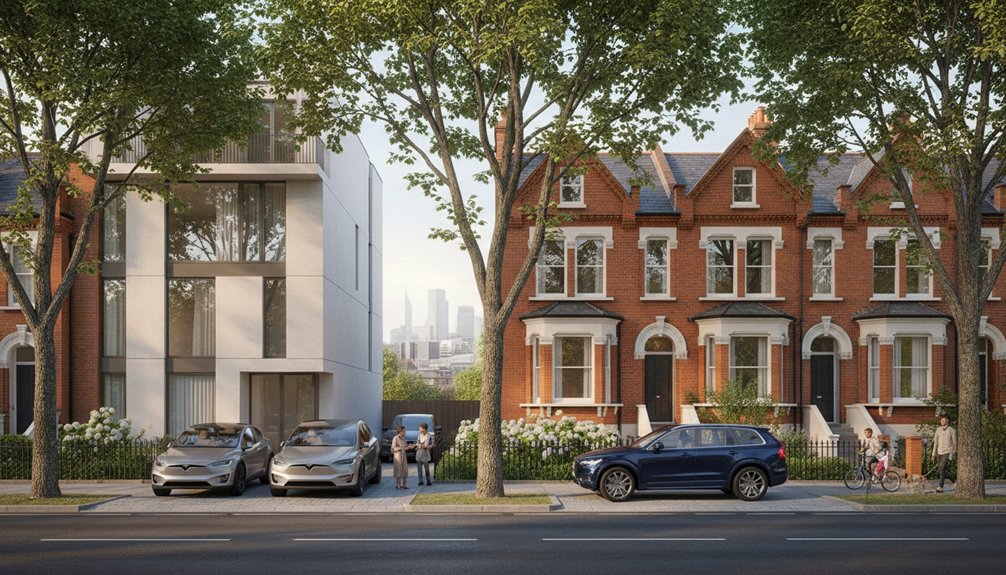
If you’re considering buying in Chelmsford, you’ll find a varied market shaped by fast London connections, reputable schools, green spaces, and a broad choice of period and modern homes. Prices can vary sharply between neighbourhoods, while competition, property condition, conservation restrictions, and local development plans may affect value. You’ll need to weigh your budget against lifestyle priorities and long-term resale prospects—but which areas and property types offer the strongest fit?
Key Takeaways
- Chelmsford’s market remains active, supported by strong transport links, employment opportunities, and access to London.
- Buyer demand includes commuters, families, downsizers, and investors, with conditions varying considerably between neighbourhoods.
- Average prices are typically in the mid-£400,000s, while flats, family homes, and period properties vary significantly by location and condition.
- Buyers should compare recent sold prices, arrange financing early, and avoid relying solely on asking prices or market headlines.
- Thorough surveys and checks are essential, particularly for conservation or listed properties involving maintenance, planning, and energy-efficiency considerations.
How Is the Chelmsford Property Market Performing?
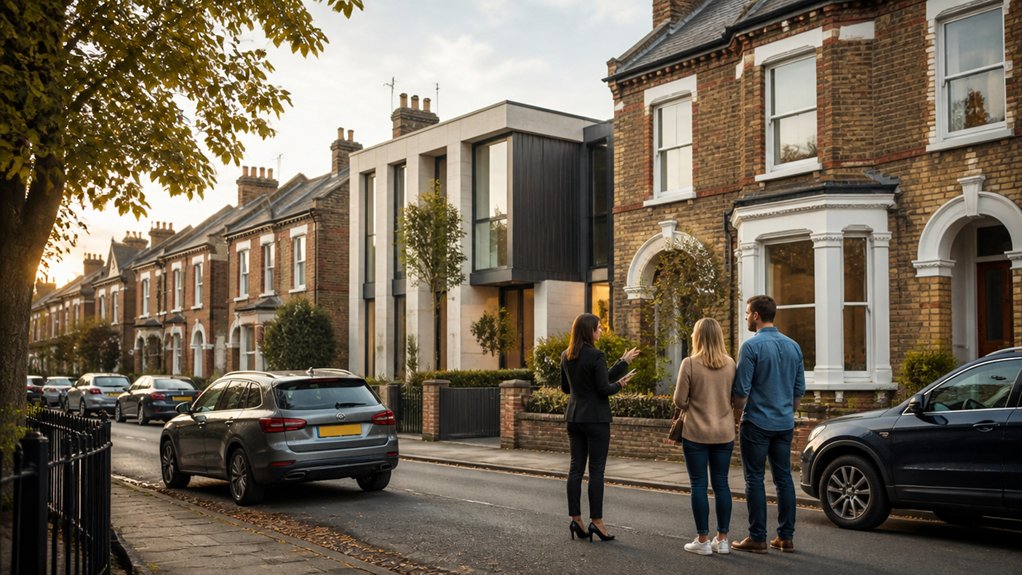
The Chelmsford property market remains active, with demand supported by the city’s strong transport links, employment base and access to London.
As you assess current market trends, look beyond headlines and compare completed transactions, listing periods and local supply. These indicators show whether competition is genuinely strengthening or simply reflecting limited stock.
Buyer demographics remain varied, including commuters, families, downsizers and investors, so you’ll find different levels of demand across neighbourhoods and property types.
Conservation matters, too. Period homes and properties near protected areas may attract buyers who value character, but they can require specialist maintenance and stricter planning consent.
You should check heritage constraints, building condition and likely resale appeal before committing.
A measured, evidence-led approach will help you identify opportunities without overstating short-term market movement or relying on asking prices alone.
How Much Do Chelmsford Homes Cost?
You’ll find that average Chelmsford prices vary by property type, size, and condition. Comparing prices across areas helps you identify where your budget fits best.
While checking local amenities and transport links supports a sound decision. Remember to budget for stamp duty, surveys, conveyancing, mortgage fees, and ongoing maintenance before making an offer.
Average Chelmsford Prices
How much should you budget for a home in Chelmsford? Current average prices provide a useful starting point, but you’ll need to match your budget to property type, condition, size, and energy performance.
At the time of writing, typical homes sit around the mid-£400,000s, while flats generally cost less and larger family houses command more. Treat averages as guidance, not a valuation: recent sold-price data, asking-price trends, and mortgage affordability will give you a clearer figure.
Historic architecture can increase maintenance requirements, especially where conservation controls limit alterations, so allow for surveys and ongoing repairs. You should also factor in stamp duty, legal fees, moving costs, and improvements that reduce energy use.
Neighborhood amenities may support long-term demand, but don’t let convenience push you beyond a sustainable monthly payment.
Property Prices by Area
Average figures conceal meaningful differences between Chelmsford neighbourhoods. You’ll generally pay more in the city centre, where modern flats offer walkable access to shops, rail connections and cultural venues. Luxury apartments can command a premium for secure parking, balconies, concierge services and energy-efficient construction.
In Old Moulsham, you’ll find attractive period terraces close to the city, while larger homes in Galleywood and Writtle often cost more because of gardens, space and village character. Historic properties can carry added value, but you should examine listed-building restrictions, conservation-area controls and maintenance requirements before making an offer.
Broomfield appeals if you want family-sized housing near the hospital, whereas Chelmer Village and Springfield provide varied prices and practical amenities. Compare sold prices street by street, then assess condition, transport, flood risk and future adaptability carefully.
Buying Costs to Consider
When budgeting for a Chelmsford home, look beyond the asking price and calculate the full cost of purchase. You’ll need funds for your deposit, solicitor’s fees, searches, surveys, removals, and potentially Stamp Duty Land Tax. Check whether Property tax applies to your circumstances, and allow for ongoing council tax, insurance, energy, and maintenance costs.
Older homes may require conservation-sensitive repairs, such as traditional window upgrades or roof work, so commission a thorough survey before committing. Compare mortgage options carefully, considering fixed-rate periods, arrangement fees, early-repayment charges, and affordability under higher interest rates.
A lender’s maximum offer shouldn’t become your target budget. Keep an emergency reserve for unexpected works, especially in listed or conservation-area properties. Your conveyancer and mortgage adviser can confirm likely charges and identify costs specific to your purchase.
Which Chelmsford Areas Suit Your Budget?
Your budget will determine which Chelmsford areas offer the best fit, but local price differences can be significant even between nearby neighbourhoods. For a lower entry point, compare homes in Channels, Tile Kiln, and parts of Springfield, where careful inspection of insulation, heating systems, and flood risk remains essential.
Mid-range buyers may find stronger space and transport balances in Broomfield, Great Baddow, or Old Moulsham.
If you can spend more, conservation-minded choices around the city centre, Writtle, and sought-after villages may offer character, but listed-building restrictions can increase maintenance costs.
Assess neighborhood amenities, commuting routes, energy performance, and future repair needs alongside the asking price.
For property investment, prioritise durable demand and adaptable homes rather than chasing fashionable postcodes. A local surveyor can clarify condition before you commit.
How Competitive Is the Chelmsford Market?
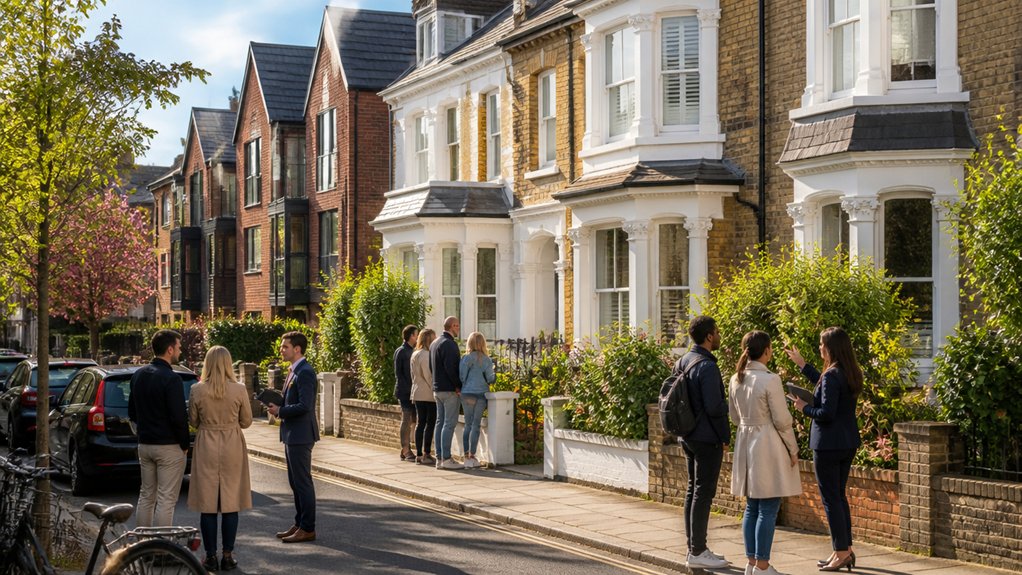
Price and location shape Chelmsford’s competition, with well-presented homes near the station, respected schools, and established village centres often attracting strong interest. You’ll need to move promptly when a property suits your plans, but careful checks matter more than speed. Review comparable sold prices, survey results, running costs, and any conservation-area controls before making an offer.
Market trends can vary between neighbourhoods, so don’t rely on headlines or asking prices alone. A local agent can explain demand, likely competition, and realistic negotiation room. You should also arrange your finances early, obtain a decision in principle, and understand your chain position.
This preparation strengthens your offer without encouraging overpayment. For buyers considering Investment opportunities, assess rental demand, planning constraints, maintenance obligations, and long-term sustainability rather than chasing short-term gains.
What Types of Homes Are Available?
Chelmsford offers a broad mix of homes, from period terraces and Victorian conversions near the city centre to modern flats, family houses, and larger properties in surrounding villages. You’ll also find bungalows, semidetached houses, and character cottages, giving you options across different budgets and lifestyles.
Historic architecture often brings attractive proportions, fireplaces, and mature streetscapes, but you should check listing status, maintenance needs, insulation, and alteration restrictions before making an offer.
Modern developments may provide energy-efficient construction, parking, communal spaces, and lower initial maintenance, although service charges, lease terms, and estate management arrangements require careful review.
Consider how each property suits your long-term plans, not just its presentation. A qualified surveyor can identify structural, damp, roofing, or conversion issues before you commit to buying.
How Do Schools Affect Chelmsford House Prices?
When you’re comparing homes in Chelmsford, school quality can influence demand, buyer competition, and resale prospects, particularly in catchment areas for well-regarded primary and secondary schools. You shouldn’t rely solely on school rankings, because published results may change and don’t capture every factor affecting your child’s experience.
Check each school’s latest Ofsted report, admissions policy, oversubscription criteria, and previous performance. Confirm the property’s precise catchment position directly with Essex County Council, as boundaries can differ between nearby streets and may change over time.
Strong schools can support property values, but buyers often pay a premium, so compare similar homes outside the catchment before making an offer.
Consider conservation carefully too: older properties near established schools may need energy-efficiency improvements, maintenance, or sensitive alterations. Factor those costs into your budget and resale assessment.
Which Transport Links Add Value in Chelmsford?

Transport links can add value in Chelmsford by improving commuting times, rental demand, and resale appeal. You’ll usually find the strongest buyer interest near Chelmsford railway station, where frequent services reach London Liverpool Street, Stratford, and surrounding Essex towns. Proximity matters, but you should also assess noise, footfall, and walking routes before placing a value on convenience.
Public transport extends beyond rail. Reliable bus corridors, Park and Ride services, and cycle connections can make areas such as Springfield, Beaulieu, and the city centre more practical for daily travel.
Road connectivity also influences demand: easy access to the A12, A130, and A414 supports commuting across Essex, although congestion and air quality deserve careful consideration. Look for efficient links that reduce car dependence, preserve neighbourhood character, and support long-term liveability rather than simply chasing the shortest journey.
How Should You Make an Offer?
Research recent Chelmsford sales and current listing prices to establish a realistic market value before you offer.
Set clear terms covering your price, proposed timeline, included fixtures, and any conditions.
You’ll negotiate more effectively when your offer is evidence-based and your priorities are defined.
Research Local Market Values
Before you make an offer, compare recent sold prices for similar properties in the specific Chelmsford neighbourhood, not just current asking prices. Focus on homes with comparable floor area, tenure, condition, parking, gardens, and energy performance.
A renovated Victorian terrace in Old Moulsham may command a different figure from a less efficient property nearby, even when the addresses look similar. Check several completed sales through Land Registry data and reputable property portals, then note how quickly each home sold.
This evidence reveals local Market trends and supports a grounded property valuation. Consider whether prices reflect seasonal movement, interest-rate changes, or unusual demand rather than assuming one sale sets the standard.
Ask a local valuer or conservation-aware agent to explain period features, alteration limits, and repair risks that could materially affect the home’s worth.
Set Clear Offer Terms
Once your comparable-sales evidence gives you a realistic valuation, put the offer in writing with clear conditions. State your proposed price, preferred completion date, fixtures and fittings included, and whether you’re in a proceedable position. Explain that your offer remains subject to satisfactory searches, survey results, mortgage approval, and contract. These terms support informed Offer negotiation, rather than encouraging a rushed decision based solely on price.
Consider conservation-focused details early. If the property lies in a conservation area or includes listed features, request relevant permissions, maintenance records, and restrictions before committing.
Your solicitor can check these Legal considerations, including title issues, planning history, access rights, and environmental risks. Don’t assume an agent’s verbal assurance provides protection. Keep every agreement in writing, set an expiry date, and remain prepared to renegotiate—or withdraw—if due diligence reveals unacceptable costs or constraints.
Is Chelmsford Right for Your Buying Plans?
Chelmsford could suit your buying plans if you want strong transport links, varied housing, and access to green spaces without moving into central London. You’ll find period homes, newer developments, and practical apartments, but each option brings different maintenance, energy-efficiency, and conservation considerations. Check whether a listed building or conservation area limits alterations before you commit.
Assess your daily routine, not just the postcode. Compare journey times, parking, schools, healthcare, and neighborhood amenities across central Chelmsford, village-edge locations, and commuter suburbs. Review local market trends with an independent agent, then test asking prices against recent comparable sales rather than relying on optimistic listings.
If you value convenience and long-term resale appeal, established areas near the station may work well. If space matters more, consider surrounding villages, provided you budget for transport and ongoing property upkeep.
Conclusion
Chelmsford gives you choice, connectivity and long-term potential, but you’ll need to balance ambition with evidence. Compare neighbourhoods, check condition and conservation restrictions, assess schools and transport, and track local trends before you commit. When you’ve found the right home, strengthen your position with clear finances, sensible negotiation and thorough surveys. If you value green space, strong links and varied housing, Chelmsford could suit your plans—provided you buy carefully, budget realistically and think ahead.