
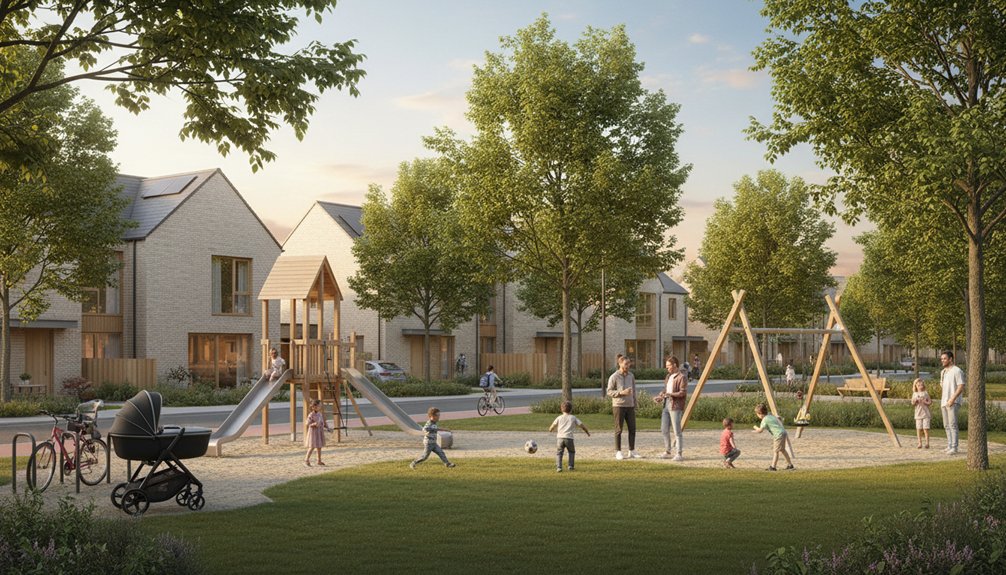
If you’re raising children, Milton Keynes can feel like a well-planned garden: its grid roads connect leafy neighbourhoods, schools, healthcare, and family amenities with little wasted effort. You’ll find generous parks, Willen Lake, and practical transport links, alongside established villages and newer communities with different character and costs. Yet rising house prices, busy commuter routes, and uneven school access mean the best choice depends on your priorities—so which areas, services, and trade-offs deserve closer attention?
Key Takeaways
- Milton Keynes suits growing families with abundant green spaces, cycle routes, parks, leisure facilities, and family-friendly neighbourhoods.
- Housing typically costs £350,000–£450,000, while renting can help families compare areas before purchasing.
- Families benefit from varied schools, nurseries, childminders, and wraparound childcare, though catchments and inspection results require careful research.
- Fast rail services connect Milton Keynes with London and Birmingham, while grid roads, buses, cycling, and walking support local travel.
- Community safety, historic villages, modern amenities, and events create a balanced lifestyle, although rush-hour congestion and variable bus services remain considerations.
Is Milton Keynes a Good Place for Families?
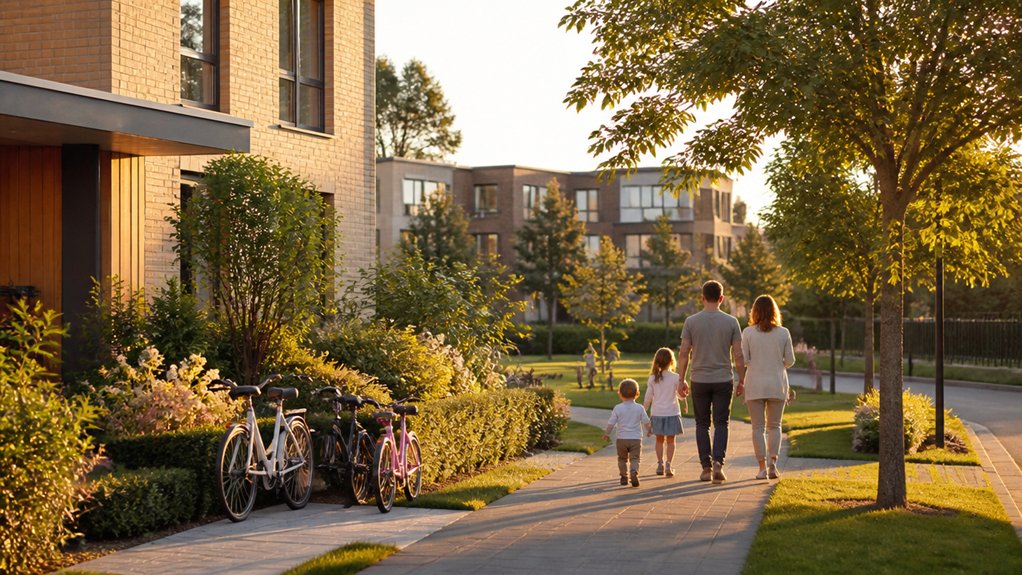
Milton Keynes is a strong choice for families seeking space, convenient amenities, and a well-planned setting. You’ll find generous green areas, separated cycle routes, and neighbourhood parks that make everyday travel and outdoor play easier.
Its modern design also sits alongside heritage places, including Bletchley Park and nearby village churches, giving your family opportunities to connect with local history.
Community safety benefits from planned streets, visible public spaces, and active neighbourhood networks, although you should still compare crime information for your preferred setting.
Local amenities include schools, healthcare services, supermarkets, libraries, sports facilities, and the centre’s shopping and leisure venues.
You’ll also benefit from rail links and road connections for work or visits.
Which Milton Keynes Areas Suit Families Best?
Which area suits your family best depends on your priorities, but several neighbourhoods stand out for different reasons. For historic character, Stony Stratford offers a traditional High Street, riverside walks, and independent shops, while nearby Wolverton combines Victorian heritage with practical transport links.
If you prefer newer planned communities, Bradwell Common and Shenley Church End provide green spaces, schools, and convenient routes across the city. Broughton and Brooklands suit families seeking modern neighbourhoods, play areas, and easy access to shopping and leisure facilities.
Loughton appeals if you value established streets, woodland walks, and proximity to reputable schools. Before choosing, visit at different times, check walking routes, and ask residents about Community events and Local amenities.
You’ll gain a clearer picture of each area’s character and everyday suitability.
How Much Does Family Housing Cost in Milton Keynes?
You’ll find that family home prices in Milton Keynes vary by neighbourhood, property age, and proximity to established village centres.
Rental costs also change by size, from compact terraces to larger houses suited to growing households.
The following figures will help you compare typical budgets with the character and heritage of each area.
Average Family Home Prices
For growing households, a typical family home in Milton Keynes costs roughly £350,000–£450,000, with prices varying by neighbourhood, property size, and condition.
You’ll usually pay more for a four-bedroom house near sought-after schools, established parks, and village-style districts such as Bletchley, Woburn Sands, or Stony Stratford.
Older homes with character may command a premium when they retain original features, attractive brickwork, or proximity to historic streets.
Newer estates can offer efficient layouts, but you should check build quality, service charges, and planned development carefully.
The Housing market changes between areas, so compare recent sold prices rather than relying on asking prices.
Consider Community amenities, transport links, green space, and school access alongside the property itself.
A detailed survey helps you budget for repairs before making an offer.
Rental Costs by Property Size
Buying isn’t the only way to assess Milton Keynes for a growing household; renting can provide flexibility while you compare neighbourhoods, schools, and future developments.
A one-bedroom flat usually offers the lowest entry cost, while two-bedroom homes suit young families needing space for an office or nursery.
Expect three-bedroom houses to command a clear premium, particularly near strong schools, transport links, and established amenities.
Four-bedroom properties cost more again, but may provide gardens, parking, and room for relatives or older children.
Compare monthly rent with council tax, utilities, deposits, and commuting costs before judging rental affordability.
Older homes in historic villages such as Bletchley or Wolverton may offer character, while newer estates often provide efficient layouts.
This comparison also supports careful Property investment decisions when you eventually buy.
What Are Milton Keynes Schools Like?
When you’re evaluating Milton Keynes schools, compare inspection outcomes, attainment, admissions arrangements and each school’s wider character.
You’ll find established primary and secondary provision across the city, alongside newer schools serving expanding neighbourhoods.
Check catchment areas, travel routes and available places before choosing a family home.
School Quality And Options
Milton Keynes offers families a broad mix of schooling options, including well-regarded state primaries, secondary academies, grammar schools in nearby Buckinghamshire, and independent providers.
You’ll find that admissions policies, transport links, and inspection reports vary, so compare each school’s latest performance data with your household’s priorities. Heritage matters, too: older village schools around Woughton, Bletchley, and Stony Stratford often retain strong local identities, while newer campuses reflect the city’s planned, modern character.
Visit prospective schools, speak with families, and ask about pastoral care, special educational needs support, and enrichment. Community events can reveal how actively a school works with residents.
Local sports partnerships, music groups, and cultural projects may also shape your child’s experience beyond lessons. Check catchment boundaries early, particularly if you’re relocating, as popular choices can fill quickly.
Primary And Secondary Provision
Beyond comparing individual schools and catchment areas, it helps to understand the wider shape of primary and secondary provision across Milton Keynes. You’ll find established village schools alongside larger academies serving newer estates, reflecting the city’s planned expansion from historic settlements.
Primary places are generally distributed among neighbourhoods, so your address, admission year, and preferred school matter.
At secondary level, you’ll see all-encompassing, academy, and grammar options, with different admissions policies and transport considerations.
Check each school’s latest Ofsted report, published admissions criteria, wraparound care, and sixth-form pathways before deciding where to live.
You should also inspect the route between home and school, including crossings and cycleways.
Local amenities can support daily routines, while community events often reveal how welcoming each neighbourhood feels for growing households.
What Childcare Options Are Available?
For growing households, Milton Keynes offers a broad mix of childcare, including nurseries, childminders, pre-school settings and wraparound care at many primary schools. You’ll find childcare facilities in established neighbourhoods, newer developments and community buildings, giving you choices close to home.
Many nurseries provide funded early-education hours for eligible two-year-olds and all three- and four-year-olds, although availability and additional charges vary.
Childminders can offer smaller groups and a home-based routine, while pre-schools often connect with local schools and long-standing community networks.
You can also look for breakfast clubs, holiday schemes and after-school sessions to match your family’s timetable.
Milton Keynes Family Information Service offers parenting support, provider details and guidance on funding. Check registration, inspection reports, opening hours and waiting lists before you commit.
Can Families Commute Easily From Milton Keynes?

With direct rail links to London Euston, Birmingham and destinations across the Midlands, Milton Keynes can suit families balancing work, school and childcare commitments. From Milton Keynes Central, you can reach London in roughly 35–45 minutes on faster services, while Birmingham takes about an hour. Check peak timetables carefully, as fares and journey times vary.
The town’s planned grid-road system gives you practical car access between established districts, schools and employment areas. However, traffic congestion can build around the M1, A5 and key junctions during rush hours, so allow extra time for drop-offs.
Public transport includes buses linking residential estates with the centre and station, though routes and frequencies differ. If you work locally, cycling or walking may reduce daily pressure; test your route before choosing a home.
Heritage rail connections also broaden weekend travel.
Which Parks and Activities Suit Families?
Milton Keynes gives families plenty of ways to spend time outdoors, from the 4,500-acre Country Park network to Willen Lake, where you can walk, cycle, sail and try watersports.
You can follow well-marked paths through Loughton Valley Park, picnic beside the lakes, or explore nature reserves such as Howe Park Wood, with ancient woodland, ponds and wildlife trails.
Campbell Park adds formal gardens, open lawns, a maze and seasonal events, while Ouzel Valley Park suits cycling, feeding ducks and spotting birds.
You’ll also find playgrounds, climbing areas and family activities at several parks, so younger children stay entertained.
Check local calendars for Community events, including heritage walks, outdoor performances and farmers’ markets, which help you connect with Milton Keynes’s planned landscape and older rural villages.
What Are the Main Drawbacks of Milton Keynes?
Despite its parks, lakes and family activities, Milton Keynes has drawbacks that growing households should weigh carefully. Urban congestion can build around the central grid, school-run routes, and commuter links to London. Although the road network looks spacious, daily driving remains common, and public transport may feel less convenient for families without nearby bus connections.
You’ll also find that older villages and historic districts, including Bletchley and Wolverton, face pressure from redevelopment and traffic, which can affect their traditional character. Limited nightlife may disappoint you if you want independent theatres, late cafés, or varied cultural events close to home.
Housing costs have risen, while some newer estates still lack mature trees, shops, and established community facilities. Before moving, check peak-time journeys, planned developments, and local amenities.
Conclusion
Milton Keynes can give your growing household space, greenery, dependable connections, and plenty to do. Its parks, schools, healthcare, and family facilities support everyday life, while neighbourhood planning helps you settle confidently. The city’s 5,000-acre network of parks and woodlands is a standout statistic, offering room for play, walks, and community activities. You’ll still need to budget for rising prices and plan around congestion, but Milton Keynes remains a practical, active, and well-connected family choice.