
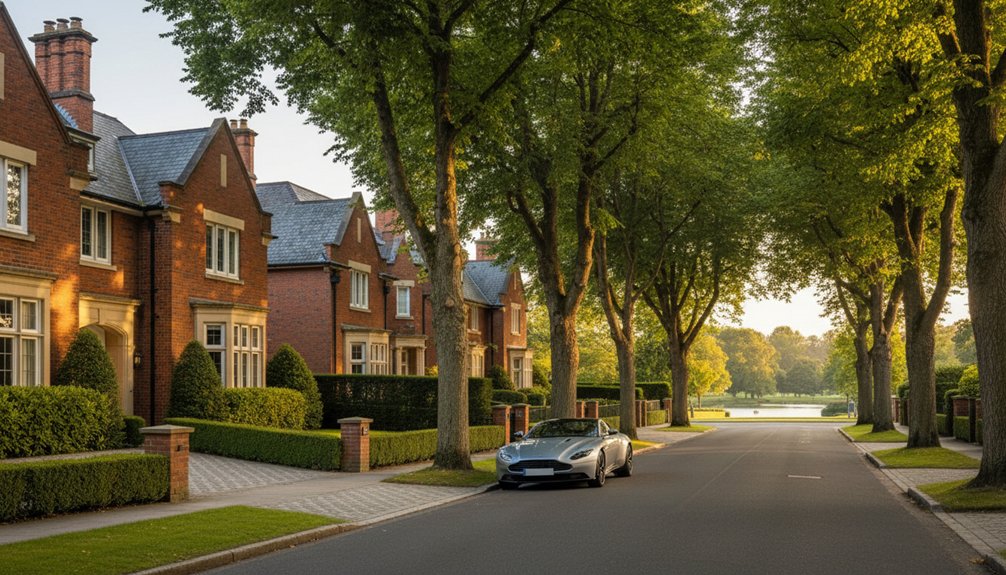
You don’t have to sacrifice convenience for character when you buy in Beaconsfield. You’ll find period homes, conservation areas, and mature streets alongside practical new-build options, strong transport links, respected schools, and everyday amenities. With careful renovation, original features can become lasting assets rather than costly complications. The key is matching your budget and priorities to the right part of town—and understanding which local details most influence long-term value.
Key Takeaways
- Heritage homes, elegant architecture, mature streets, and premium craftsmanship create a distinctive and prestigious residential environment.
- Excellent schools, childcare, parks, recreation facilities, and community programs make Beaconsfield especially appealing to families.
- Fast rail services to London Marylebone and convenient M40 access support commuting to London, Oxford, and the Thames Valley.
- Independent boutiques, cafés, fine dining, waterfront recreation, and nearby green spaces provide an exceptional everyday lifestyle.
- Strong long-term value comes from desirable locations, conservation appeal, quality renovations, generous plots, and consistent demand for premium properties.
Is Beaconsfield Right for Your Lifestyle and Budget?

Before you commit to Beaconsfield, weigh its heritage character against your budget and daily routine. You’ll pay a premium for conservation-area appeal, mature streets, and architectural detailing, so review mortgage capacity alongside stamp duty, surveys, and ongoing maintenance.
Period features can reward careful renovation, but listed elements, planning controls, and specialist craftsmanship may extend timelines and costs.
Consider how you’ll use the address: assess commuting routes, schools, green space, local services, and access to London before you decide.
Luxury estates may suit buyers seeking privacy and generous grounds, yet they demand larger budgets for roofing, landscaping, security, and energy upgrades.
Look beyond presentation; inspect damp, windows, electrics, and insulation.
If the numbers remain comfortable, Beaconsfield’s enduring desirability could strengthen your investment potential while supporting an exceptional daily lifestyle.
What Property Types Are Available in Beaconsfield?
Once your budget and lifestyle priorities are clear, Beaconsfield’s varied housing stock lets you match the address to the way you want to live.
Period townhouses offer elegant proportions, bay windows, and manageable gardens, while detached Victorian and Edwardian homes give you more room for family life, studios, and thoughtful extensions.
If you value character, historic cottages provide fireplaces, exposed brick, and intimate layouts—though you’ll want to inspect roofs, damp, wiring, and listed-building constraints before planning updates.
Luxury apartments suit a lock-up-and-leave lifestyle, often pairing refined finishes with balconies, parking, and shared amenities.
You might also find modern mews homes and converted buildings, where original beams meet efficient insulation.
Compare orientation, storage, ceiling height, and renovation scope carefully, so your chosen property supports both daily comfort and long-term stewardship.
How Much Does Property in Beaconsfield Cost?
Property in Beaconsfield commands a premium, with prices shaped by conservation-area status, period detailing, plot size, and proximity to the town centre or rail links. You’ll typically pay more for a carefully restored Georgian façade, original joinery, generous ceiling heights, and a well-designed rear garden.
Luxury apartments can attract substantial prices when they combine discreet modern services with converted heritage features, secure parking, and excellent communal maintenance.
At the upper end, Historic estates command exceptional figures, particularly where acreage, listed architecture, outbuildings, or mature landscaping add long-term appeal.
You should also budget beyond the asking price: surveys, stamp duty, conservation-sensitive repairs, rewiring, roofing, and insulation upgrades can materially affect your investment.
Compare completed sales, assess renovation risk, and value craftsmanship rather than cosmetic presentation alone.
Which Beaconsfield Areas Suit Different Buyers?
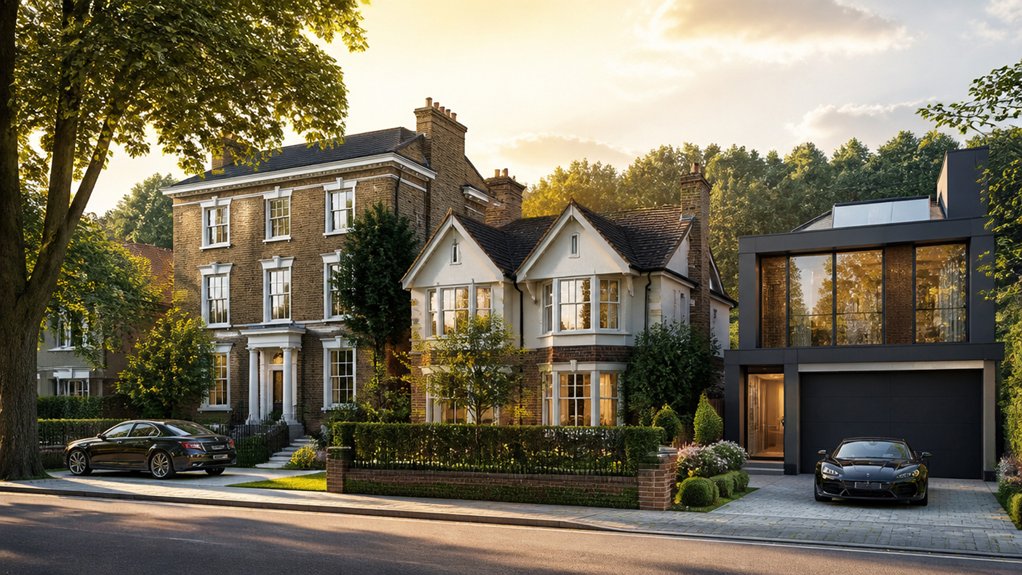
Your budget will stretch differently across Beaconsfield’s neighbourhoods, so location should reflect how you want to live as well as what you can renovate.
If you prefer lock-up-and-leave ease, consider Luxury apartments near the town centre, where contemporary finishes, secure entry and manageable maintenance suit professionals or downsizers.
Families seeking adaptable space may favour established residential streets, where generous gardens, detached houses and later extensions offer scope for thoughtful upgrades.
For buyers drawn to character, the lanes around Old Beaconsfield reveal period cottages, mature planting and architectural details worth preserving, from sash windows to handmade brickwork.
Those wanting maximum privacy and grandeur should explore Historic estates, provided you’re prepared for conservation sensitivities, larger maintenance budgets and specialist craftsmanship.
Before committing, assess daylight, plot shape, structural condition and whether proposed alterations will respect the property’s heritage.
How Well Connected Is Beaconsfield?
You’ll find fast rail connections to London, helping you balance a heritage home’s calm setting with a practical commute.
Easy road access keeps weekends, tradespeople, and renovation deliveries moving smoothly.
Nearby transport links add everyday flexibility, whether you’re visiting local landmarks or managing a period-property project.
Fast Rail Connections
How quickly can you reach London from Beaconsfield? From the town’s historic station, you can reach London Marylebone in roughly 25 minutes on a direct Chiltern Railways service. That commuting convenience lets you enjoy period architecture, leafy streets, and thoughtful renovation projects without surrendering access to the capital’s culture, offices, or appointments.
You’ll find frequent trains throughout the day, with journey times varying according to the service and stops. Check the current timetable before arranging viewings, particularly if you need a reliable peak-time routine. For a heritage property, that predictability can influence both daily comfort and resale appeal.
Ongoing rail network expansion and service improvements may strengthen Beaconsfield’s connectivity further, although you should assess confirmed plans rather than marketing promises. The result is a refined balance: village character with a practical, fast London link.
Easy Road Access
With the M40 close by, Beaconsfield offers swift road access to London, Oxford, and the wider Thames Valley without compromising its historic character. You can reach business centres, schools, and countryside destinations efficiently, while local roads preserve the town’s Georgian rhythm and village-like appeal.
Careful route planning helps you avoid traffic congestion at busier times, particularly around junctions and commuter approaches. When you’re not travelling for work, scenic routes through Buckinghamshire’s wooded lanes and rolling farmland make weekend driving genuinely enjoyable.
For a period property, this connectivity adds practical value: you can source specialist trades, reclaimed materials, and architectural salvage from surrounding towns without lengthy detours. As you renovate, convenient access also simplifies deliveries, skips, and contractor visits, helping restoration work progress smoothly while your home remains rooted in its historic setting.
Nearby Transport Links
Beyond its road network, Beaconsfield’s transport links make premium living especially practical: regular trains from Beaconsfield station reach London Marylebone in around 25–30 minutes, while nearby High Wycombe and surrounding bus routes extend access across Buckinghamshire.
For you, that means reliable commuting options without sacrificing the character of a historic market town. You can leave a restored Georgian townhouse, period cottage, or carefully renovated barn conversion and reach central London with minimal effort.
Public transport also supports practical errands, school journeys, and visits to neighbouring villages, reducing reliance on a car.
When you assess a property, check the walking route to the station, service frequency, and parking arrangements. These details matter: convenient connections can protect day-to-day comfort and strengthen long-term appeal when you eventually sell.
Which Schools Serve Beaconsfield Families?
Beaconsfield families benefit from access to respected public and private schools, giving you options that suit both academic goals and daily routines. Nearby elementary schools support younger learners, while secondary options serve students through graduation. You can also consider independent schools in neighbouring communities, broadening your choices without abandoning Beaconsfield’s established, village-like character.
When you assess a home, compare school catchments, walking routes, bus schedules, and enrolment requirements early. A heritage property near your preferred school may offer character-rich millwork, mature gardens, and renovation potential, but you’ll want to confirm bedrooms, study space, and safe storage for busy family life.
Ask about French-language programs, special education resources, athletics, and arts before deciding. Local cuisine and cultural events can enrich family life, yet school quality and a practical daily commute should guide your shortlist.
What Shops, Dining, and Leisure Are Nearby?

Historic village streets, modern conveniences, and waterfront recreation give you a well-rounded lifestyle in Beaconsfield. You’ll find independent boutiques, refined homeware, and everyday services along Beaurepaire Village and nearby Pointe-Claire.
For luxury shopping, you can reach West Island destinations and downtown Montreal without sacrificing the village atmosphere that gives older homes their appeal. Fine dining ranges from polished neighbourhood restaurants to waterfront tables, while cafés and bakeries make casual outings easy.
After browsing, you can walk the lakeshore, launch a kayak, or follow local paths through mature greenery. These amenities matter when you’re evaluating a renovation project: convenient suppliers, restaurants, and recreation can support both daily enjoyment and long-term resale appeal.
You’ll also appreciate how heritage character and contemporary convenience coexist within a compact, connected setting.
What Is Family Life Like in Beaconsfield?
You’ll find excellent schools and childcare alongside safe, welcoming neighbourhoods where heritage homes and thoughtful renovations support everyday family life.
Local parks, recreation facilities, and community events give your children plenty to enjoy close to home.
With practical amenities and a strong sense of belonging, Beaconsfield makes family living feel both settled and connected.
Excellent Schools and Childcare
What makes family life in Beaconsfield especially appealing is the combination of respected schools, well-regarded childcare, and a community where heritage homes sit within easy reach of everyday amenities.
You’ll find education options that support your plans, whether you’re restoring a character property or selecting a newer, low-maintenance residence. Local school performance can help you compare catchment considerations, academic outcomes, and extracurricular opportunities before you buy.
Meanwhile, established childcare facilities make daily routines more manageable, with settings suited to different ages, schedules, and family preferences.
As you view properties, consider the practical distance to school, nursery, and after-school activities, alongside architectural details such as original millwork, generous gardens, or adaptable outbuildings.
That balance lets you protect heritage character while creating a comfortable, well-organised family home for years ahead.
Safe, Welcoming Neighbourhoods
Safe, welcoming neighbourhoods give Beaconsfield family life a reassuring sense of ease, whether you’re settling into a restored heritage house or choosing a newer home with fewer maintenance demands. You’ll notice how established streets, considerate neighbours, and well-kept properties create a calm daily rhythm.
Community safety feels tangible when residents know one another, watch for unusual activity, and communicate openly without becoming intrusive. That neighborhood friendliness can make moving in feel less like a transaction and more like joining a thoughtfully maintained community.
As you compare homes, look beyond curb appeal: examine porch lighting, fencing, sightlines, and the condition of shared boundaries. In older properties, careful renovations can improve security while preserving original doors, trim, and masonry.
You’ll gain comfort without sacrificing Beaconsfield’s distinctive character or your family’s privacy.
Family-Friendly Activities and Amenities
Family life in Beaconsfield benefits from a thoughtful mix of parks, recreation facilities, libraries, schools, and community programs. You’ll find parks and playgrounds that make everyday outings easy, from shaded green spaces near established streets to well-maintained areas for younger children.
Recreation centres support swimming, skating, sports, and seasonal lessons, helping you build routines close to home.
Libraries add quiet value with story times, study spaces, and programming for different ages. Throughout the year, family events bring neighbours together through festivals, markets, outdoor concerts, and holiday activities.
If you’re renovating a heritage home, these amenities can shape your priorities: create practical mudrooms for sports gear, durable flooring for busy afternoons, and inviting kitchens for after-school gatherings.
Beaconsfield lets you pair architectural character with a connected, active family lifestyle.
How Can You Buy for Long-Term Value?
If you’re buying in Beaconsfield for long-term value, look beyond cosmetic appeal to properties with enduring character, sound construction, and scope for thoughtful renovation. Inspect original timber floors, stonework, roof structure, drainage, and heritage details before making an offer.
A well-preserved period home can deliver investment stability when its proportions, craftsmanship, and streetscape appeal remain desirable. You’ll also want to assess the block’s orientation, privacy, parking, and potential for discreet improvements that respect the home’s character.
Research comparable sales, local planning controls, and demand for renovated properties rather than relying on optimistic projections. Sensible upgrades—such as improved insulation, efficient services, and a carefully designed kitchen—can support market appreciation without erasing authenticity.
Obtain thorough building and pest reports, budget for maintenance, and choose a location with enduring amenity, transport access, and strong community appeal.
Conclusion
Buying in Beaconsfield is like joining a well-kept heritage house: its foundations are strong, its character enduring, and every thoughtful improvement adds value. If your budget suits its premium market, you’ll find elegant period homes, excellent schools, swift London links, and a welcoming community. Choose your street carefully, inspect renovation needs closely, and think beyond today’s finish. With patience and informed guidance, you can turn a Beaconsfield purchase into a refined, lasting investment in the way you want to live.