
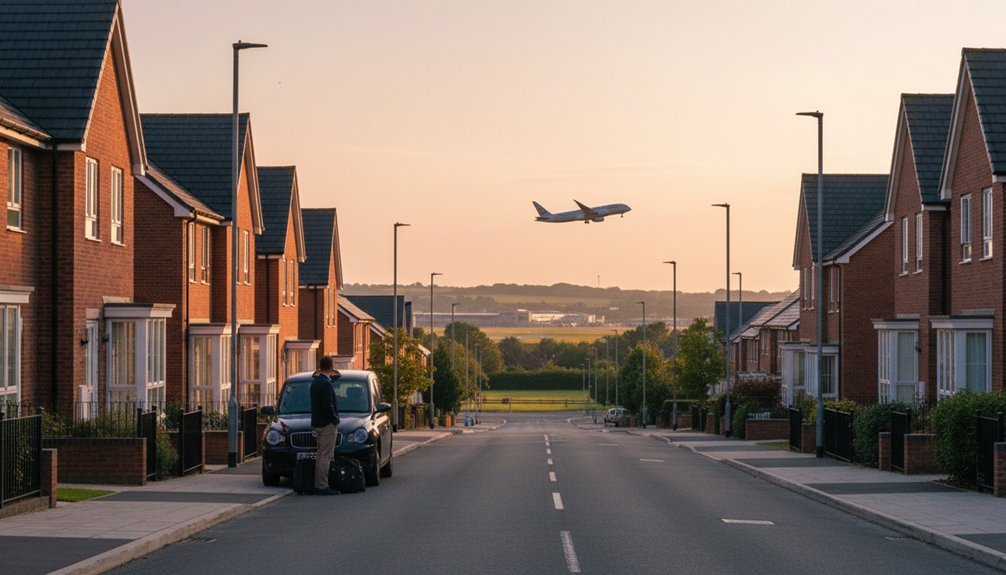
If you value practical airport access, Crawley could suit your lifestyle, with Gatwick close by and regular trains from Crawley and Three Bridges to London, Brighton, and the South Coast. You’ll also find established neighbourhoods, local amenities, and useful road links, although airport noise, congestion, and variable fares deserve consideration. The best choice depends on where you live, how often you travel, and whether convenience outweighs the compromises.
Key Takeaways
- Crawley is highly convenient for Gatwick Airport, with both terminals only a few miles from central areas.
- Regular trains from Crawley and Three Bridges provide quick connections to Gatwick, London, Brighton, and the South Coast.
- Three Bridges offers especially frequent services, while Northgate, Maidenbower, and Pound Hill provide practical road access.
- Airport travel costs are manageable by train, but driving may involve fuel, parking, and airport drop-off charges.
- Aircraft noise and congestion vary by neighborhood, so visit potential homes at different times before moving.
Is Crawley Good for Airport Access?
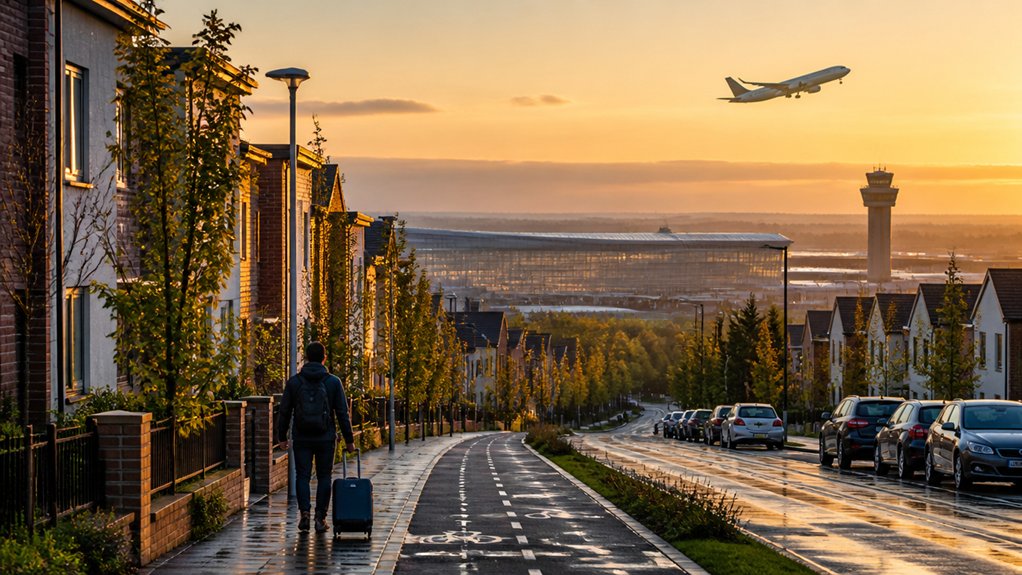
Crawley is an excellent place to live if easy airport access matters, largely because Gatwick Airport sits immediately south of the town. You’ll find a practical mix of local amenities, including supermarkets, healthcare, schools, cafés, and everyday services, so airport-centred living needn’t feel transient or inconvenient.
The town’s neighbourhoods also offer different character: established areas retain mature trees, older homes, and connections to Crawley’s post-war New Town heritage, while newer developments provide modern housing and public spaces.
A varied community vibe suits people who value international connections alongside familiar local routines. You can choose between urban convenience and quieter residential streets, with parks and the High Street adding balance.
For frequent flyers, Crawley makes travel planning easier without sacrificing the foundations of settled daily life.
How Close Is Gatwick Airport to Crawley?
Gatwick Airport sits just south of Crawley, making the journey short and straightforward for residents, visitors, and airport staff. From central Crawley, you’re only a few miles from both terminals, so the airport feels like part of the town’s everyday geography rather than a distant regional facility.
Distances vary slightly by neighbourhood, with areas near Three Bridges particularly close. You’ll also find clear local connections between Crawley’s established communities and Gatwick’s employment base, shaped by decades of aviation growth alongside the town’s post-war development.
That proximity gives you more time to enjoy local dining, explore nearby heritage sites, or attend cultural events before or after a flight. Check your exact terminal and planned departure time, since North and South terminals aren’t interchangeable and airport access roads can become busy.
Which Airport Travel Option Is Best?
The best airport travel option depends on your departure time, terminal, and priorities. For early flights, a pre-booked taxi from Crawley offers door-to-door convenience and avoids uncertain connections.
You’ll usually find the quickest, most affordable choice on the Gatwick Airport train, with frequent services from Crawley station and clear links to both terminals.
Buses can cost less, but allow extra time for traffic, luggage, and changing routes.
Driving suits families or heavy bags, although airport parking fees can outweigh the convenience.
If you’re staying overnight, choose a hotel with a shuttle; some provide Luxury amenities, while others offer practical rooms near the terminals.
Crawley’s historic High Street and Local attractions, including the Hawth and Tilgate Park, make a pleasant stop before travelling.
Check live departures and terminal details before you leave.
How Easy Is Commuting to London?
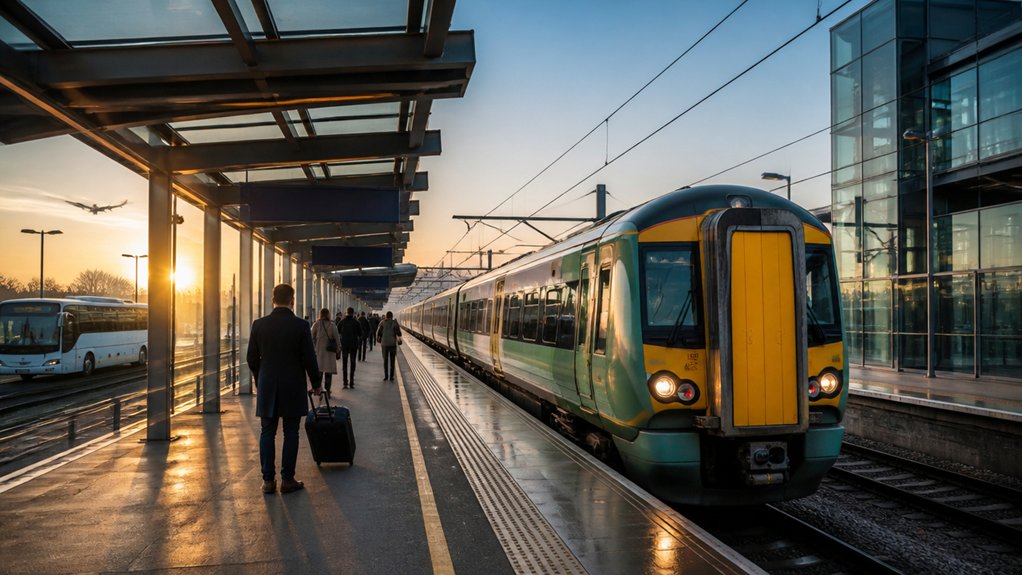
With fast rail links from Crawley to London, commuting is practical for many residents, particularly those working near Victoria, London Bridge, or Blackfriars. Regular services let you reach central offices without driving, while nearby stations at Three Bridges and Gatwick offer useful alternatives.
Three Bridges often provides quicker, more frequent trains, although you’ll want to check peak-time fares and allow for occasional delays. From Crawley, you can usually plan a manageable journey, but season-ticket costs may considerably affect your budget.
The town’s historic market origins remain visible around the High Street, giving everyday routines a sense of place beyond the commute. You’ll also find Local amenities, including shops, cafés, schools, and leisure facilities, close to home.
That convenience can strengthen Crawley’s community atmosphere, especially when balancing work and family life.
How Well Does Crawley Connect to the South Coast?
You’ll find Crawley well placed for South Coast trips, with direct routes towards Brighton, Worthing and the historic port of Chichester. Rail services and the A23/M23 corridor give you practical options.
While local roads connect surrounding Sussex towns and villages. That combination makes coastal access straightforward for commutes, leisure and visits to the area’s heritage sites.
Direct South Coast Routes
Crawley connects well to the South Coast, with direct trains from Crawley and Three Bridges reaching Brighton in roughly 30–40 minutes and onward services to Worthing, Hove, and stations along the Sussex coast.
You can plan straightforward day trips for seafront walks, galleries, independent shops, and historic architecture, from Brighton’s Regency squares to Worthing’s Victorian pier. Check the timetable before travelling, particularly on Sundays or during engineering works, when frequencies may change.
You’ll also find seasonal services and faster connections at selected times, so a little planning helps if you’re meeting friends or attending community events. After exploring the coast, you can return to Crawley for local dining, whether you prefer a quick meal near the station or a relaxed evening in an established neighbourhood.
This access gives you variety without relocating.
Rail and Road Links
Beyond direct coastal trains, Crawley gives you several practical ways to reach South Coast towns by rail and road. You can change at Three Bridges, a major Local transportation hubs interchange, for services towards Brighton, Hove, Lewes, and Worthing.
From Crawley station, Southern trains also connect efficiently through Gatwick and the Brighton Main Line, although peak services can become crowded.
How Much Does Travel From Crawley Cost?
Although Crawley offers excellent access to Gatwick Airport and London, travel costs vary depending on your destination, transport choice, and travel time. A quick train to Gatwick can cost only a few pounds, while peak-time journeys to London add up quickly, especially without a railcard or advance booking.
You’ll usually save by travelling off-peak, buying tickets early, and comparing Southern, Thameslink, and contactless fares. Buses provide cheaper local connections, though journeys take longer.
Driving brings fuel, parking, and possible drop-off charges, so check airport rates before setting out. If you live near Crawley’s historic centre, you can reduce daily transport spending by walking to local dining, shops, and community events.
Budget for occasional taxis, too, particularly when carrying luggage or travelling before public transport starts.
Will Airport Noise Affect Your Life?
Airport noise in Crawley varies by neighbourhood, runway use, time of day and proximity to Gatwick, so you’ll notice distinct patterns rather than constant disturbance.
You can check local flight paths and noise information before choosing a home, including properties near older villages and historic areas.
To manage disruption, use effective window insulation, plan quiet activities around busier periods and consider each property’s outdoor noise levels.
Noise Levels And Patterns
Living in Crawley means accepting some aircraft noise, particularly beneath flight paths serving Gatwick Airport, but its impact varies by neighbourhood, wind direction, and time of day. You’ll usually notice departures and arrivals as brief, distinct events rather than a constant roar, although busy periods can create repeated overhead movement.
Early mornings and late evenings may feel more intrusive, especially when windows are open. Areas closer to the airport and established flight paths generally experience greater exposure, while streets shielded by buildings or positioned away from routes may retain more residential tranquility.
Older villages and heritage streetscapes, including those around Ifield, can feel particularly sensitive because quiet surroundings form part of their character. Local glazing, insulation, and planning standards provide noise mitigation, but you should compare locations at different times before choosing a home.
Managing Aircraft Disturbance
How much aircraft disturbance affects your life depends on your routine, home, and tolerance for interruption. In Crawley, aircraft noise can feel more noticeable during early departures, evening arrivals, or busy holiday periods.
Before moving, visit prospective streets at different times, including weekends, and check official flight paths rather than relying on a single viewing.
Older neighbourhoods near Gatwick may offer character, mature gardens, and established amenities, but their traditional windows and insulation might provide less protection than modern construction.
You can reduce disruption by choosing a well-insulated property, fitting secondary glazing, using quiet ventilation, and positioning bedrooms away from the aircraft-facing side.
If you work nights, have young children, or value open windows, test the environment carefully.
Consider flight schedules, resale expectations, and your personal tolerance before committing to a purchase.
Which Crawley Areas Suit Frequent Travellers?
For frequent travellers, Crawley’s most convenient areas are those with quick access to Three Bridges, Crawley station, or the M23, depending on whether you usually take the train or drive to Gatwick.
Three Bridges suits you if rail travel matters most, with regular services and established neighbourhoods nearby.
Northgate and Maidenbower offer practical road access, while Pound Hill combines proximity to Three Bridges with a quieter, long-established residential character.
If you prefer town-centre amenities, Crawley’s central streets place shops, Local dining, and the station within reach, alongside landmarks reflecting the town’s post-war new-town heritage.
Tilgate appeals if you value green space after busy journeys, although you’ll need to plan station connections.
Check your walking route, parking arrangements, and early-morning transport before choosing.
Community events can also help you settle locally.
Is Crawley’s Connectivity Worth the Trade-Offs?
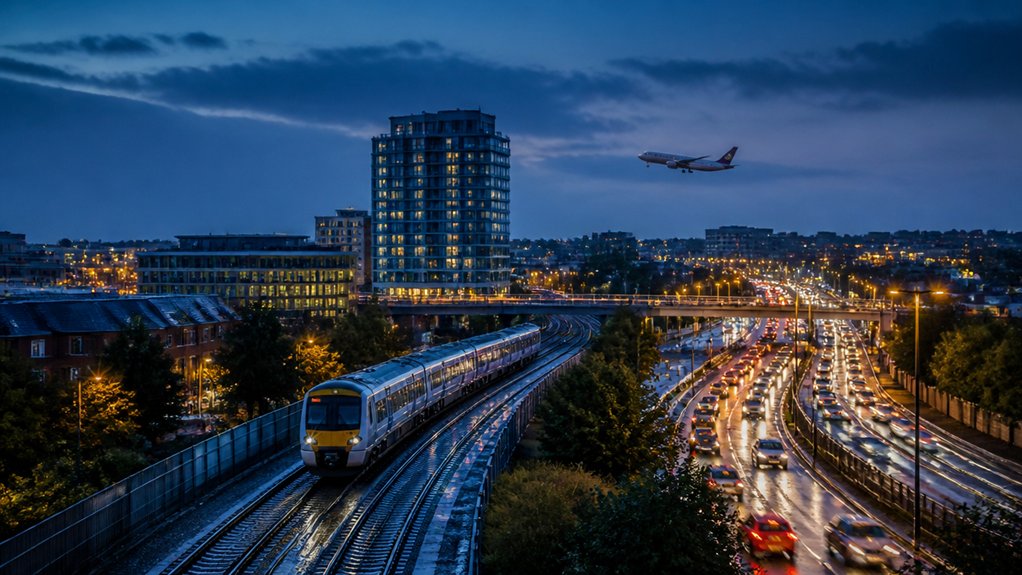
Crawley’s strong rail, road, and airport links can make everyday travel straightforward, but that convenience comes with trade-offs. You can reach London, Brighton, Gatwick, and the M23 quickly, which helps if you travel for work or holidays. However, aircraft noise, congestion, and higher demand for housing may affect your daily routine.
Areas near Three Bridges and the airport offer exceptional access, while older neighbourhoods such as Ifield retain village character and quieter streets, though commuting can take longer. You’ll also need to weigh Local amenities, parking, and public transport against travel time.
Community safety varies by street, so visit at different hours and check current local information. Crawley’s heritage, from its medieval High Street to its planned-town layout, adds identity, but connectivity is worthwhile only if you can accept its practical costs.
Conclusion
If you travel often, Crawley offers a practical base with Gatwick nearby, direct trains, and straightforward road links to London and the South Coast. Three Bridges and Crawley stations make rail journeys simple, while local amenities keep daily life convenient. You’ll need to weigh fares, traffic, and aircraft noise, especially in neighbourhoods beneath flight paths. Still, with Gatwick serving more than 40 million passengers in a typical year, Crawley’s connectivity is difficult to overlook.