
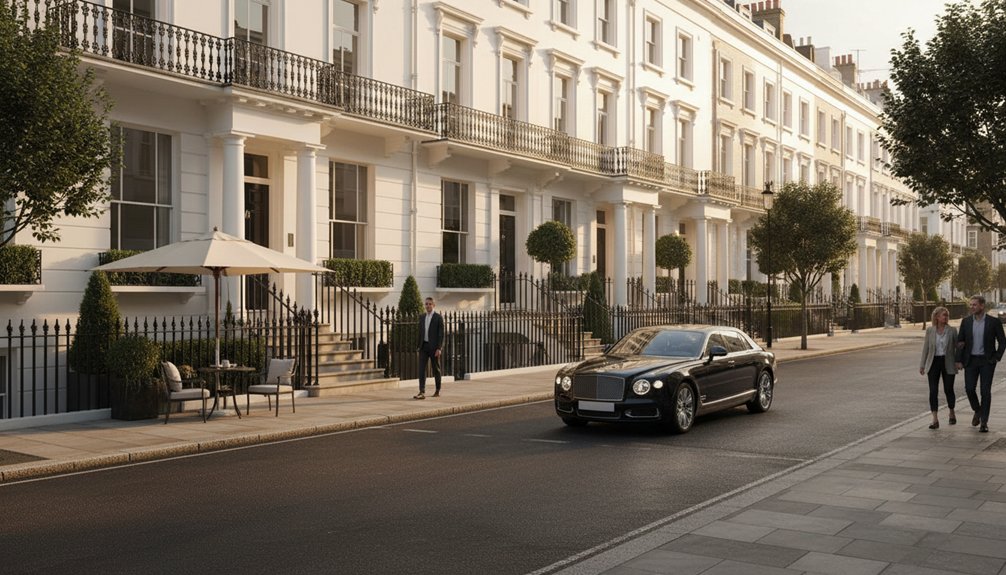
If you’re seeking high-end London living, Chelsea offers historic Georgian streets, riverside walks, refined boutiques, and a strong cultural calendar without losing its village-like character. You’ll also find excellent restaurants, respected schools, and convenient links across the capital. However, premium property prices, conservation rules, and daily costs demand careful consideration. The right pocket of Chelsea can make a significant difference, particularly if you value heritage, privacy, or proximity to the river.
Key Takeaways
- Chelsea offers high-end living through elegant Georgian terraces, luxury apartments, leafy squares, and prestigious riverside addresses.
- King’s Road, Sloane Square, Pavilion Road, and nearby cultural venues provide exceptional shopping, dining, galleries, and entertainment.
- Excellent schools, independent cafés, specialist grocers, gardens, and walkable riverside paths support a comfortable daily lifestyle.
- Transport links via Sloane Square, South Kensington, buses, riverboats, and cycling routes connect Chelsea conveniently across London.
- High property prices, expensive daily costs, limited parking, crime risks, and heritage restrictions are important practical considerations.
Is Chelsea a Nice Place to Live?
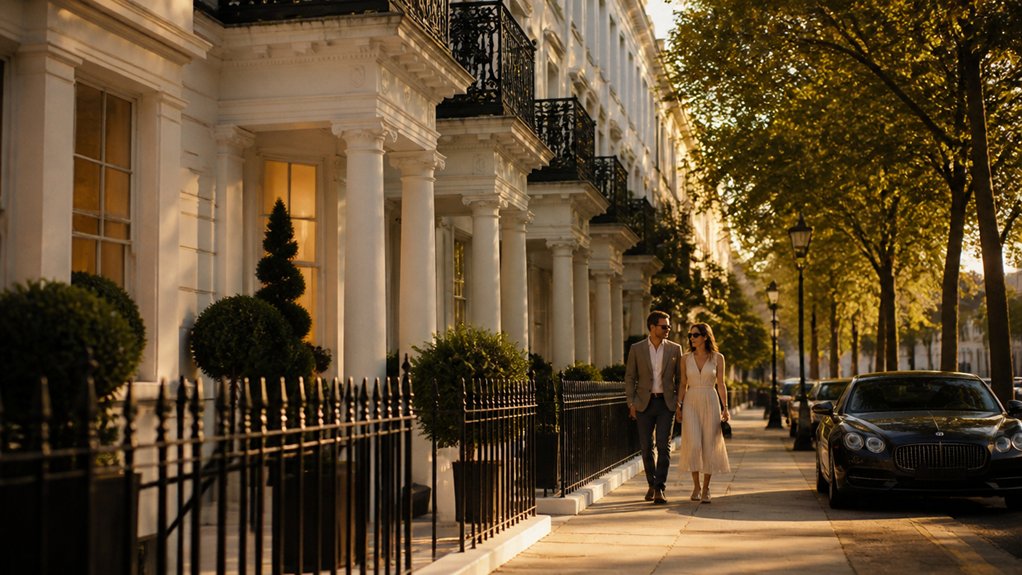
Is Chelsea a nice place to live? For high-end London living, you’ll find a rare blend of heritage, refinement, and strong long-term appeal.
Georgian terraces, stucco-fronted houses, and elegant mansion blocks give the area a distinctive architectural identity, while landmarks such as Chelsea Old Church and the Royal Hospital anchor its history.
King’s Road adds a polished retail address, with independent galleries, design showrooms, and local art shaping the neighbourhood’s cultural character.
You can also browse outdoor markets for antiques, seasonal produce, and considered gifts.
Transport links, prestigious schools, and proximity to the Thames strengthen Chelsea’s practical appeal.
Before you commit, compare conservation restrictions, service charges, parking arrangements, and flood-risk information.
If you value address, craftsmanship, and heritage, Chelsea offers an exceptionally well-established choice.
What Is Everyday Life Like in Chelsea?
Everyday life in Chelsea feels polished yet comfortably lived-in, with leafy squares, independent cafés, specialist grocers, and riverside walks woven into the daily rhythm. You can start with coffee near a handsome Victorian terrace, collect fresh bread and seasonal produce, then browse boutiques along King’s Road.
Local cuisine ranges from refined dining rooms to relaxed neighbourhood kitchens, so you’ll find excellent choices for a quick lunch or an unhurried supper. Art galleries, design showrooms, and historic landmarks add cultural interest without requiring a full day’s expedition.
On weekends, you can explore the farmers’ market, pause in a garden, or walk beside the Thames. Daily errands remain convenient, while Chelsea’s preserved architecture and polished public spaces give ordinary routines a distinctive sense of place and quiet refinement.
Which Parts of Chelsea Suit Different Lifestyles?
You’ll find family-friendly Chelsea near leafy squares, respected schools, and practical local amenities.
For quieter living, choose residential corners lined with period townhouses, while King’s Road and nearby social hubs keep dining, culture, and shopping close at hand.
Family-Friendly Chelsea
Family-friendly Chelsea offers more than attractive streets and grand period homes: it gives you a choice of distinct settings for daily life.
Choose the King’s Road area if you value convenient cafés, specialist shops, and a lively village atmosphere, with luxury boutiques adding polish to everyday errands.
Around Chelsea Green, you’ll find heritage façades, independent traders, and practical access to schools, studios, and transport links.
If outdoor time matters most, look towards the Thames, where riverside parks and paths make weekend walks, cycling, and informal play easy to build into your routine.
South Chelsea’s cultural landmarks, including the Royal Hospital Chelsea, add character and educational interest.
You’ll also benefit from excellent nurseries, respected schools nearby, and household services suited to a polished, well-connected family lifestyle.
Quiet Residential Corners
For a quieter Chelsea address, look beyond the busiest stretches of King’s Road to streets where stucco terraces, garden squares, and mature plane trees create a more settled rhythm. You’ll find particularly peaceful homes around Cheyne Walk, Carlyle Square, and the lanes near Chelsea Embankment.
These pockets suit you if you value period architecture, discreet entrances, and quick access to riverside walks without sacrificing central convenience. Garden-square properties offer privacy and leafy outlooks, while restored cottages provide character across a more intimate footprint.
As you compare luxury real estate, inspect listed-building restrictions, basement damp, communal-garden access, and residents’ maintenance obligations. You’ll remain close to boutiques and upscale dining, yet daily life feels composed rather than conspicuous.
Choose a south-facing room, secure parking, and efficient insulation for lasting comfort.
Vibrant Social Hubs
If you want Chelsea’s energy on your doorstep, focus on King’s Road, Pavilion Road, and the streets around Sloane Square, where independent boutiques, galleries, cafés, and polished restaurants create a sociable daily rhythm.
Here, you’ll find boutique shopping in historic terraces, from design-led homeware to British fashion labels, alongside food halls and artisan grocers that make everyday errands feel elevated.
As evening arrives, choose intimate wine bars, classic pubs, and discreet Nightlife venues rather than sprawling club districts.
Sloane Square suits you if you value culture, convenience, and a refined social calendar, while King’s Road offers a livelier, more youthful pulse.
Check weekend footfall and late-night noise before choosing a home, particularly on roads closest to restaurants and transport links.
You’ll enjoy heritage character without sacrificing connection.
How Much Do Homes Cost in Chelsea?
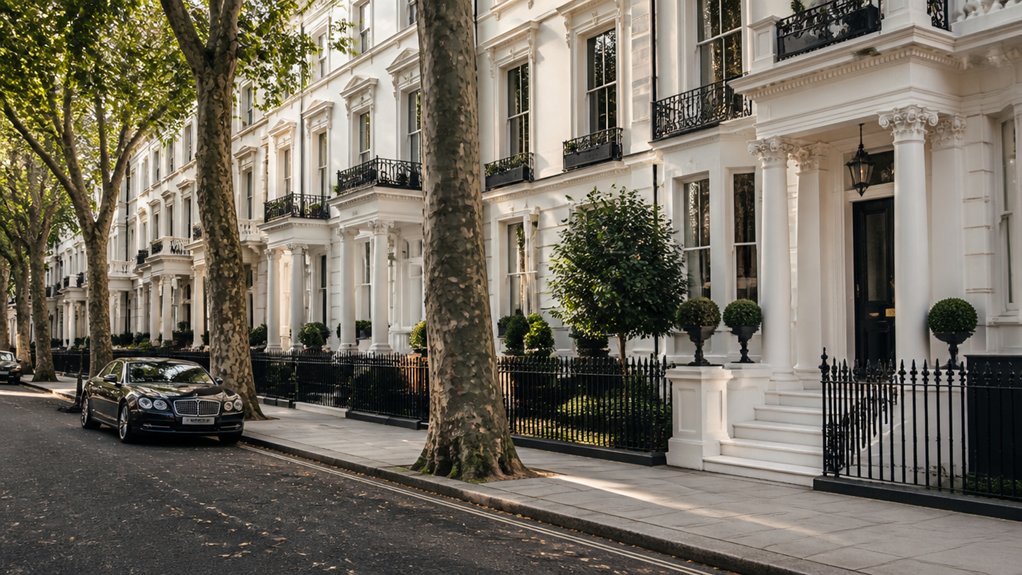
You’ll find Chelsea property prices shaped by period architecture, riverfront settings, and an average that reflects enduring demand. Prime streets command significant premiums, so compare conservation-area charm, space, and condition carefully.
Whether you rent or buy, weigh headline costs against service charges, stamp duty, maintenance, and long-term value.
Average Chelsea Property Prices
Chelsea property prices reflect the area’s enduring appeal, with elegant period terraces, garden squares and riverside apartments commanding a premium. You’ll find values vary sharply by property type, condition and floor area.
A compact one-bedroom flat may offer a more accessible entry point, while a family townhouse or carefully restored mansion apartment can reach several million pounds.
Luxury apartments with concierge services, lift access, underground parking and river views typically attract higher prices.
Historic architecture also influences value: original cornicing, sash windows, fireplaces and well-preserved façades often strengthen buyer demand, provided modern systems have been thoughtfully upgraded.
When comparing listings, you should examine lease length, service charges, council tax and renovation requirements.
A local valuation gives you the clearest guide to current market pricing and your realistic budget.
Prime Streets and Premiums
Prime streets such as Cheyne Walk, Cheyne Row, Tite Street and the King’s Road command some of Chelsea’s highest prices, particularly where homes retain period façades, garden access or views towards the Thames. If you’re comparing addresses, expect premiums for listed townhouses, architecturally significant conversions and carefully restored mews properties.
Cheyne Walk’s riverside views can elevate values, while Tite Street attracts buyers seeking quiet heritage character near the river. Cheyne Row offers intimate Victorian streetscapes, and the King’s Road places you beside luxury boutiques, galleries and established restaurants.
Look beyond headline prices: floor level, conservation restrictions, parking, outdoor space and refurbishment quality can materially change value. A detailed survey and recent comparable sales will help you judge whether a property’s historic appeal justifies its premium.
Always inspect light, noise and maintenance requirements before making your decision.
Renting Versus Buying Costs
Whether you’re weighing a long-term purchase or a flexible tenancy, Chelsea’s housing costs vary sharply by street, property type and finish. A polished one-bedroom flat near King’s Road or the Embankment can command substantial monthly rent, while larger period apartments and garden maisonettes rise considerably higher.
Buying typically requires a significant premium for conservation-area character, private outdoor space and immaculate refurbishment. You’ll also need to budget for stamp duty, survey fees, service charges and ongoing maintenance.
Renting gives you flexibility and fewer ownership responsibilities, though prime leases can remain expensive and competition is brisk.
Look beyond headline prices: Luxury amenities, secure parking and concierge services add value, while proximity to Cultural attractions, historic squares and independent boutiques supports lasting demand.
Compare total monthly costs with your intended stay before choosing.
Which Amenities and Attractions Does Chelsea Offer?
From elegant King’s Road boutiques to the Saatchi Gallery and the Royal Court Theatre, you’ll find Chelsea rich in culture, shopping, and everyday convenience.
Browse boutique shops in restored Victorian terraces, where independent designers sit alongside established luxury names.
At Saatchi Gallery, you can explore contemporary local art and changing international exhibitions within the Duke of York’s Headquarters.
The Royal Court Theatre offers acclaimed new writing, while the National Army Museum provides a thoughtful look at Britain’s military history.
For quieter hours, stroll through Chelsea Physic Garden, founded in 1673, or enjoy the riverside gardens and historic character around Cheyne Walk.
You’ll also find excellent delicatessens, specialist food stores, cafés, and polished restaurants, making daily errands and leisurely evenings equally appealing.
This blend gives Chelsea its enduring residential charm.
How Well Connected Is Chelsea?
Chelsea keeps you well connected while retaining its village-like character. From your doorstep, you can reach central London efficiently by bus, Underground, riverboat, bicycle, or taxi.
Sloane Square gives you direct access to the District and Circle lines, linking you with Westminster, the City, and major rail interchanges. South Kensington Underground station adds Piccadilly line connections towards Heathrow, the West End, and King’s Cross St Pancras.
Victoria lies within easy reach, expanding your rail and coach network for journeys beyond London.
Regular buses run along King’s Road, Fulham Road, and Chelsea Embankment, while river services from nearby piers offer a distinctive Thames route.
These transport connections give you practical commuting options without sacrificing Chelsea’s historic streetscape. You’ll also find cycling routes and walkable links to neighbouring Kensington, Belgravia, and Battersea.
What Are the Main Drawbacks of Living in Chelsea?
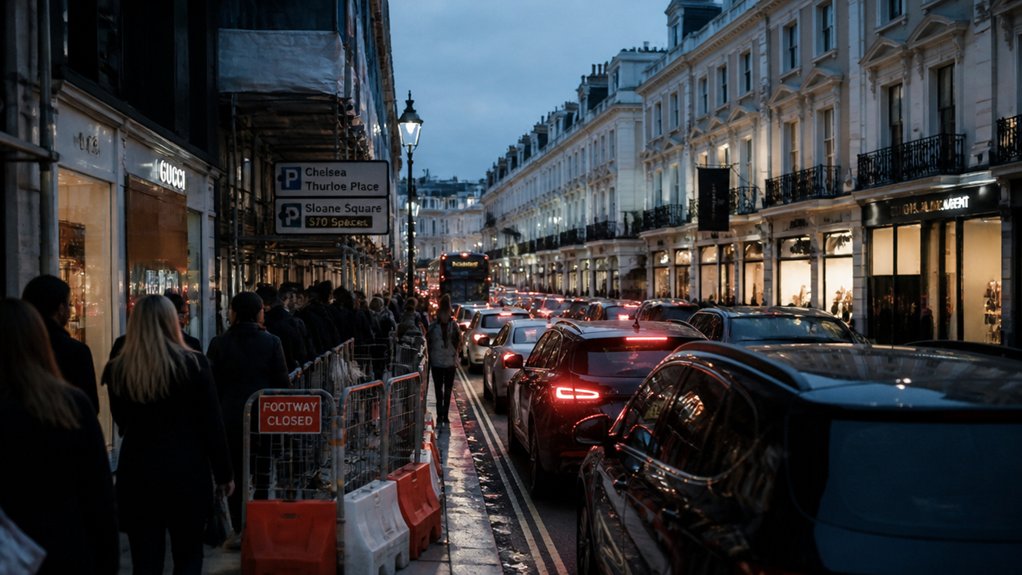
Despite its many advantages, Chelsea comes with costs that may not suit every lifestyle. You’ll pay a premium for period terraces, concierge services, and proximity to the King’s Road, while smaller flats can command substantial rents. Daily errands may also feel expensive, from independent boutiques to restaurant bills.
Traffic presents another practical concern. Parking difficulties are common, particularly near busy shopping streets and older mansion blocks without private spaces. If you drive, you’ll need patience, a residents’ permit, or secure off-street parking, which often carries an additional cost.
You should also review local crime rates before choosing a specific address. Chelsea remains desirable, but opportunistic theft and burglary can occur, especially around crowded routes.
Finally, listed buildings preserve remarkable character, yet their restrictions may complicate renovations, upgrades, and energy-efficiency improvements. Assess these trade-offs carefully before committing.
Conclusion
Chelsea suits you if you value heritage, refinement, and everyday convenience over affordability. You’ll find elegant Georgian streets, riverside walks, celebrated galleries, and boutiques within easy reach, though conservation rules and premium prices demand careful planning. Notably, Chelsea’s Royal Hospital has hosted the annual Chelsea Flower Show since 1913, reinforcing the district’s enduring cultural identity. If you can accept higher living costs and limited space, Chelsea offers a polished, distinctly London home with character that modern developments rarely match.