
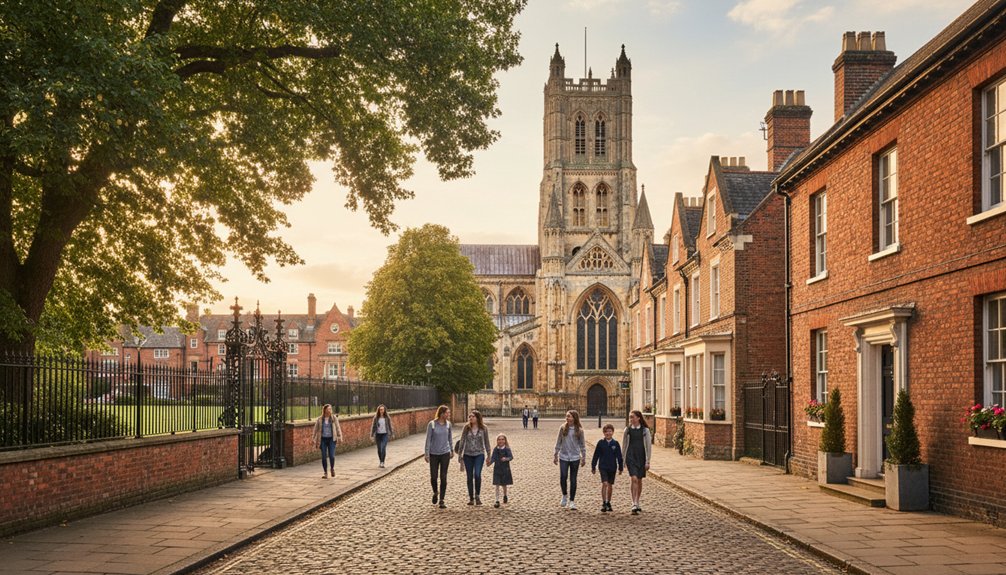
You may not realise that St Albans’ Roman heritage still influences where you can build, extend or renovate today. When you buy here, you’re weighing highly regarded schools and catchment boundaries alongside conservation rules, listed buildings and period details worth preserving. That combination can shape your budget, commute and long-term plans, but it also gives everyday life a distinctive sense of place. The most suitable areas aren’t always the obvious ones.
Key Takeaways
- St Albans offers strong schools, established communities, and family-friendly neighborhoods with parks, shops, and convenient transport links.
- Catchment areas require careful research, as admissions policies, allocation distances, and council boundaries can change regularly.
- Heritage properties feature timber sash windows, flint walls, handmade brickwork, period fireplaces, and distinctive architectural character.
- Roman landmarks at Verulamium enrich local identity while influencing planning requirements, renovation decisions, and nearby property considerations.
- Conservation areas and listed buildings require sympathetic alterations, specialist surveys, and budgets for ongoing maintenance and energy improvements.
Why Schools and Heritage Attract St Albans Buyers
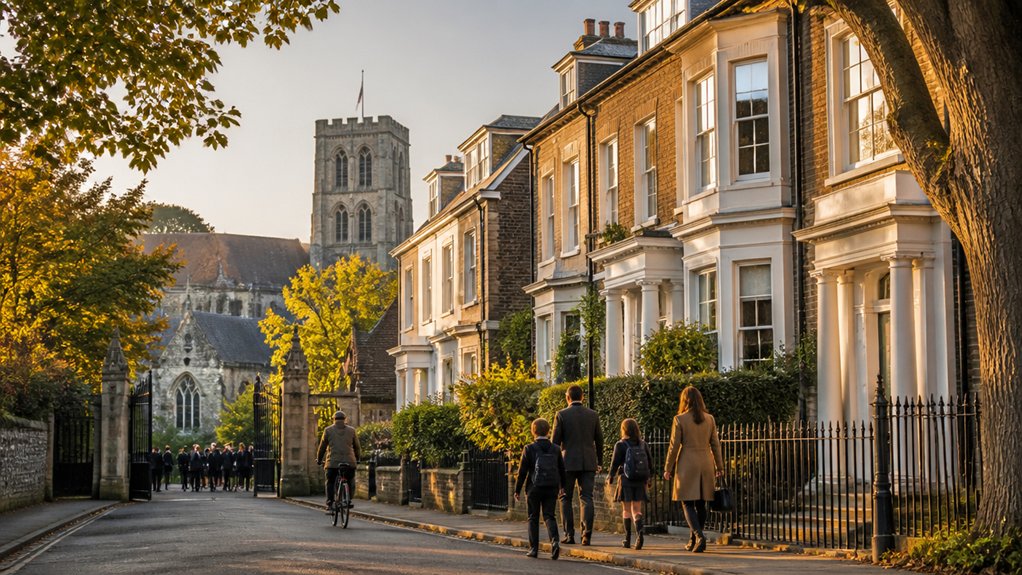
St Albans attracts buyers who want both strong schools and a home with a sense of history. You’ll find character in timber sash windows, flint walls, handmade brickwork, and period fireplaces, features that give each property an identity modern construction rarely matches.
Historical architecture can also guide your renovation choices: repair original materials first, improve insulation discreetly, and use sympathetic joinery where replacement proves necessary. You’ll create a more comfortable home without erasing its story.
Local traditions add another layer, from market-day routines to long-established community events that help streets feel connected. When you buy here, you’re investing in more than attractive surroundings.
You’re choosing a setting where education matters, heritage remains visible, and careful improvements can protect character while supporting contemporary family life. Examine details closely before committing.
Compare St Albans Schools and Catchment Areas
When comparing St Albans schools and catchment areas, you’ll need to look beyond league tables and examine each school’s admissions policy, distance criteria, and historical intake patterns. School rankings offer a useful starting point, but they won’t reveal how a particular address may perform under annual applications.
Check official admissions guides, Ofsted reports, published priority rules, and recent allocation distances rather than relying on estate-agent descriptions. Catchment zones can shift, and living nearby doesn’t guarantee a place, particularly at popular schools.
If you’re viewing a period property, verify its exact address, council boundary, and transport routes before committing to renovation costs. Factor in likely building works, bedroom requirements, and future resale appeal, while remembering that admissions policies can change.
Keep dated evidence, seek clarification from the council, and reassess eligibility each year.
Choose Family-Friendly Areas in St Albans
School research is only part of the decision; the right family-friendly area in St Albans should also support daily routines, transport, green space, and the practical demands of an older home. Look beyond fashionable streets and test your weekday route to school, shops, rail connections, and healthcare.
Areas near parks can give children space to play, while walkable centres make errands easier without constant driving. Check whether conservation controls, listed features, or narrow access could complicate extensions, insulation, or deliveries before you commit.
Visit at different times to assess parking, noise, and street lighting. Talk with residents about Community events, playgroups, and reliable tradespeople. Sample local cuisine nearby, too; independent cafés and restaurants often reveal how welcoming an area feels.
Compare terraces, semis, and newer homes carefully, then choose a neighbourhood that balances character with manageable upkeep.
See How Roman Heritage Shapes St Albans Living
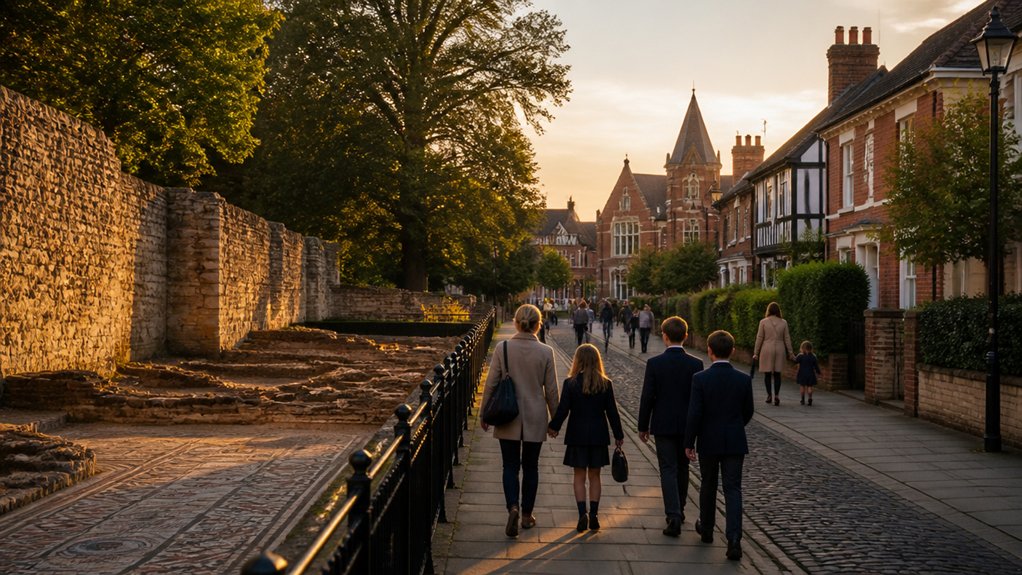
Roman heritage gives St Albans its distinctive character, but it can also shape how you live in and improve a property. You’ll encounter Roman ruins at Verulamium, where the theatre, city walls and hypocausts reveal the city’s ancient footprint.
These Heritage landmarks can influence your daily routes, weekend plans and renovation decisions, especially when you’re working near archaeological remains. Before extending, excavating or landscaping, check planning requirements and seek specialist advice; ground disturbance may need archaeological assessment.
You can still create a comfortable, efficient home by prioritising reversible upgrades, sympathetic materials and carefully positioned services. Reclaimed brick, lime-based finishes and timber details may complement the local story, while discreet insulation and modern heating improve performance.
Understanding this history helps you invest confidently, protecting significance while making practical improvements for contemporary living.
Find Character Homes and Conservation Areas
Character homes in St Albans often sit within conservation areas, where timber frames, sash windows, brickwork and rooflines contribute to the historic streetscape. As you view a property, look beyond its period appeal: inspect pointing, roof timbers, damp levels and window condition before you commit.
Conservation-area controls may affect extensions, replacements, paint colours and boundary changes, so check permissions with the council and understand any local guidelines. Historic architecture rewards careful stewardship, but it can bring specialist maintenance and higher renovation costs.
Ask for records of previous alterations, listed-building status and planning approvals, then obtain a thorough survey from someone experienced with older construction. You’ll find character homes with layouts ranging from compact cottages to spacious Victorian terraces, allowing you to match authentic details with practical improvements, including discreet insulation and efficient heating.
Find Parks, Culture and Everyday Amenities
Beyond period details, St Albans offers parks, cultural venues and practical amenities that shape everyday life. You can walk from historic streets to Verulamium Park, where open lawns, Roman remains and the lake support relaxed Parks and recreation.
Clarence Park adds tennis, gardens and space for children, while Heartwood Forest offers longer routes beyond the centre.
For culture, you can explore the cathedral, museum and restored civic buildings, then catch performances at the Alban Arena or independent venues.
Regular local events, including markets, festivals and seasonal celebrations, give familiar streets a lively rhythm.
When evaluating a character property, check how easily you’ll reach shops, libraries, cafés, healthcare and green space. These details matter during renovation, too: convenient daily facilities can make period living feel practical, not merely picturesque, especially when building work temporarily disrupts your home.
Compare St Albans Prices, Commutes and Demand

When you compare St Albans prices, weigh period appeal against renovation costs, commuting time and likely demand. A listed townhouse near the cathedral may command a premium, while a less ornate Victorian terrace could offer better scope for practical upgrades.
Examine survey findings closely: roof repairs, damp treatment, sash-window restoration and heritage consent can reshape returns.
If you commute to London, calculate door-to-door timings from St Albans City station, not simply the advertised rail journey.
Compare neighbourhood demand too; homes near strong schools, historic streets and transport links often attract dependable tenants and resilient resale interest.
For Property investment, assess rental yields against purchase costs, maintenance and vacancy risk rather than relying on headline figures.
Track comparable sales and achieved rents, then test whether the home’s character supports its price without disguising costly work.
Match Your Budget to the Right St Albans Home
Set a clear budget that includes your deposit, fees, ongoing costs and a realistic renovation allowance.
You’ll then know whether to target a period terrace near St Albans’ historic centre, a larger family home or a property needing careful restoration.
Compare each option’s price, condition and heritage details before arranging viewings.
Define Your Budget
Defining your budget early helps you match your priorities to the right St Albans home, whether that means a period townhouse near the cathedral, a character cottage needing careful renovation, or a newer property with fewer maintenance demands.
Start with your maximum purchase price, then reserve funds for surveys, conveyancing, stamp duty, and moving costs.
If you’re considering listed architecture or an older property, allow for specialist inspections, roof repairs, damp treatment, rewiring, and sympathetic alterations.
Your Budget planning should also include ongoing maintenance, energy improvements, and possible service charges.
Compare Affordable neighborhoods by factoring in commute costs, council tax, and local amenities rather than focusing solely on asking prices.
Keep a contingency fund—ideally 10–15% of renovation estimates—so heritage details don’t become financial surprises during ownership.
Explore Suitable Homes
How should your budget shape the type of St Albans home you pursue? Start by matching monthly costs with the property’s age, condition, and location.
A period cottage near the cathedral may offer heritage charm, yet you’ll need funds for sash-window repairs, rewiring, or conservation-sensitive alterations.
If you prefer lower maintenance, compare Luxury apartments, checking service charges, lease length, and planned major works before committing.
Modern townhouses can provide efficient layouts, parking, and insulation, but examine build quality, estate charges, and commuting links carefully.
View several homes at different price points, then separate essential improvements from cosmetic wishes.
Ask for surveys, planning records, and energy assessments; these details reveal future costs.
Conclusion
If you’re seeking a home with lasting appeal, St Albans brings together strong schools, practical amenities and exceptional heritage. Picture a Victorian terrace near a conservation area: you could renovate its kitchen and insulation while preserving sash windows, period fireplaces and original brickwork. With Roman landmarks, green spaces and London connections close by, you’ll enjoy more than an attractive address. You’ll invest in a characterful setting that supports family life, careful renovation and long-term demand.