

Like a modern chapter in Peckham’s layered London story, buying here can connect you with heritage, regeneration, and future growth. You’ll find Victorian terraces, converted warehouses, improving transport links, and a strong community base, but each pocket carries different costs, renovation demands, and risks. Green spaces and cultural venues support long-term appeal, while rental demand may strengthen as investment continues. The key is knowing which signals point to lasting value rather than short-term attention.
Key Takeaways
- Strong transport links from Peckham Rye and Queens Road provide efficient access to London Bridge, Victoria, and wider employment hubs.
- Ongoing regeneration, improved public spaces, and potential transport upgrades may strengthen Peckham’s long-term property values and buyer appeal.
- Victorian terraces, converted warehouses, and preserved period features offer distinctive character and renovation-led equity potential.
- Cultural venues, independent businesses, green spaces, schools, and community events support sustained tenant demand and neighborhood vibrancy.
- Compared with nearby areas, relatively accessible pricing offers opportunities for first-time buyers and investors, subject to careful cost and risk assessment.
Is Buying Property in Peckham a Good Idea?

Buying property in Peckham can be a strong long-term decision if you value heritage, connectivity, and scope for improvement. You’ll find Victorian terraces, converted warehouses, and distinctive period details that give the area lasting character. This historical architecture can strengthen buyer appeal, particularly when you preserve original features while upgrading kitchens, insulation, wiring, or bathrooms.
You should assess each home’s structural condition and renovation potential before committing, as sensible improvements may create meaningful equity. Peckham’s independent shops, cultural venues, green spaces, and evolving food scene also support a broad tenant and buyer audience.
However, you’ll need to compare prices, local sale evidence, lease terms, and running costs carefully. Treat your purchase as a market investment, not a quick win: choose well, budget realistically, and plan for sustained growth.
How Peckham’s Transport Links Support Demand
With fast links into central London and connections via Peckham Rye and Queens Road Peckham, the area remains attractive to commuters, tenants, and future buyers. You can reach London Bridge, Victoria, and other employment hubs efficiently, while Overground services widen your options across south and east London.
Reliable transport makes everyday life easier and supports consistent rental demand, particularly for professionals who value time as much as character. You’ll also find bus routes connecting neighbourhood streets, stations, markets, and cultural venues without relying on a car.
That accessibility complements Peckham’s historical architecture, independent businesses, and local cuisine, helping older homes appeal to buyers seeking distinctive settings. If you’re renovating, convenient links can strengthen your property’s practical appeal while preserving its period identity for future occupants.
How Regeneration Could Affect Property Values
As you consider Peckham’s future, new transport links could strengthen demand while respecting the area’s distinctive heritage.
Upgraded public spaces may enhance everyday appeal and support thoughtful renovation of period homes.
If buyer demand rises, you’ll need to weigh potential value growth against purchase prices and improvement costs.
New Transport Links
Could improved transport links make Peckham even more attractive to buyers? Better rail and bus connections can shorten commutes, widen your buyer pool, and support stronger resale prospects.
As regeneration improves accessibility, you may see demand rise for well-positioned period homes, particularly near stations and established high streets.
That doesn’t mean every property will benefit equally. You’ll need to assess proposed routes, construction timelines, noise, and potential disruption before committing.
A Victorian terrace with original details, historical architecture, and scope for sensitive renovation could gain a distinct advantage over less characterful stock.
Improved connections may also help residents reach Peckham’s local cuisine, galleries, and independent businesses more easily, strengthening the area’s appeal without erasing its heritage.
Check transport plans carefully, then price renovation costs against realistic future growth.
Upgraded Public Spaces
Transport improvements may bring more people into Peckham, while upgraded public spaces can make them want to stay. Refurbished squares, greener streets, and better-lit parks can strengthen the area’s heritage character while improving everyday life.
As you assess a property, look beyond its frontage: nearby public-realm investment may support stronger long-term values, particularly where historic buildings gain attractive, well-maintained settings.
You’ll also benefit from spaces that host community events, encourage independent traders, and showcase local cuisine. These improvements can increase footfall and create a more inviting neighbourhood without erasing Peckham’s distinctive identity.
If you’re renovating, consider how your home connects with this changing streetscape, from restored period details to secure cycle storage. Regeneration won’t guarantee returns, but thoughtfully upgraded public spaces can make your investment more resilient and your future surroundings more enjoyable.
Rising Buyer Demand
Rising buyer demand can support Peckham property values as regeneration improves its appeal to owner-occupiers, renters, and investors. As public spaces, transport links, and commercial areas evolve, you could benefit from stronger competition for well-positioned homes.
Historical architecture adds character that new-build schemes can’t easily replicate, particularly where period details combine with thoughtful modernisation. You should assess original features, layout potential, and renovation costs before paying a premium.
Local amenities, including independent shops, cafés, schools, and cultural venues, can further strengthen a property’s rental and resale prospects.
Regeneration won’t raise every home’s value equally, so investigate planning proposals, completed improvements, and neighbourhood-specific demand.
What Makes Peckham Attractive to Residents?

You’ll find Peckham’s heritage woven into its vibrant local culture, from independent shops and creative venues to its distinctive community spirit.
Excellent transport links connect you quickly with central London, strengthening both daily convenience and long-term rental appeal.
As you assess a property, consider how thoughtful renovation can preserve its character while meeting modern residents’ expectations.
Vibrant Local Culture
Peckham’s vibrant local culture gives the area a distinctive appeal, blending longstanding heritage with an inventive arts, food and music scene. As you explore the neighbourhood, you’ll find local art in galleries, studios and repurposed industrial spaces, revealing how creative enterprise continues to shape its identity.
Independent cafés, restaurants and makers attract residents who value character over uniformity, while street festivals bring communities together throughout the year. This cultural energy can support long-term demand for well-located homes, particularly properties with original details and renovation potential.
You can preserve period features, improve energy performance and create contemporary interiors without losing the character buyers seek. Peckham’s established institutions and grassroots groups add resilience, giving you more than a fashionable address: you gain a distinctive community with enduring appeal and potential.
Excellent Transport Links
Beyond its cultural appeal, excellent transport links make Peckham attractive to residents who value both convenience and connectivity. From Peckham Rye and Queens Road Peckham stations, you can reach central London, Shoreditch, and Canary Wharf efficiently, while frequent buses connect surrounding neighbourhoods.
This accessibility supports daily commuting and strengthens long-term rental demand, an important consideration when examining a period property or renovation project. You’ll also benefit from easy access to independent shops, local cuisine, galleries, and street art, helping preserve Peckham’s distinctive heritage while encouraging thoughtful regeneration.
For buyers, reliable connections can improve resale prospects and broaden your tenant pool. As you evaluate a Victorian terrace or converted flat, consider its walking distance to stations, transport frequency, and planned improvements.
These practical advantages can underpin future growth without diminishing the area’s character.
How Culture and Green Space Add Appeal
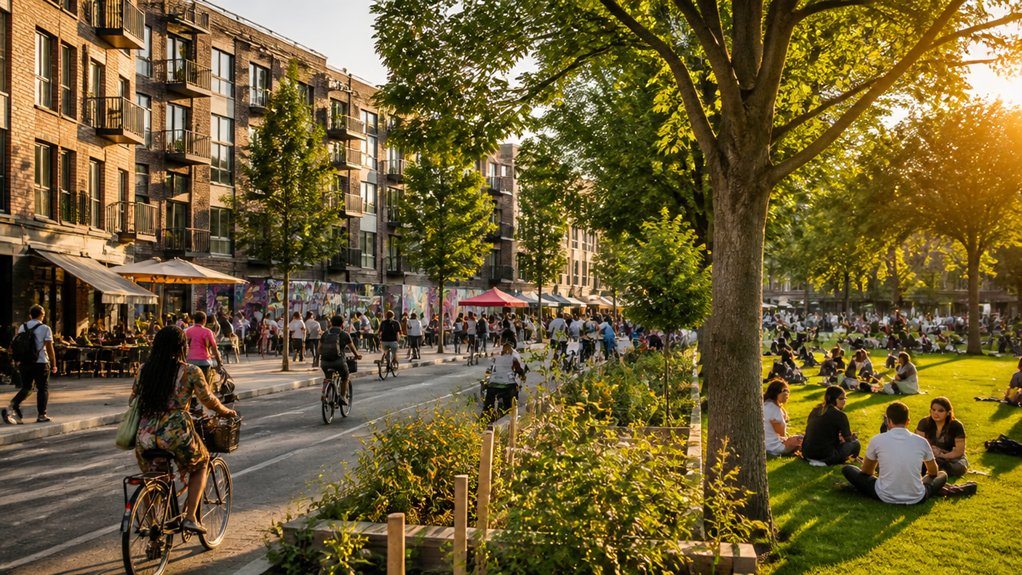
With its independent galleries, creative venues, and lively local events, Peckham gives residents more than a place to live—it offers a strong sense of identity that can support long-term demand.
You’ll find local art in converted railway arches, restored shopfronts, and welcoming studios, giving older properties character beyond their floorplans.
Community gardens and leafy pockets add breathing space, while encouraging neighbours to care for shared surroundings.
As you assess a purchase, look for homes near established cultural landmarks and well-maintained green spaces; these features can strengthen everyday appeal without relying on short-lived trends.
Period details, adaptable layouts, and renovation potential may further reward your judgement, particularly when you preserve original features thoughtfully.
Peckham’s cultural heritage and greener outlook can help your investment feel distinctive, liveable, and resilient.
What Supports Peckham’s Rental Demand?
That distinctive culture and access to green space can also help sustain Peckham’s rental demand. You’ll find tenants drawn to period terraces, converted warehouses, and homes near independent shops, cafés, and transport links.
Its heritage character gives renovated properties a distinctive edge, particularly when you preserve original fireplaces, sash windows, or brickwork while upgrading kitchens, insulation, and bathrooms.
Affordable pricing compared with several neighbouring areas can widen the tenant pool, from professionals and creatives to households seeking better space and connectivity.
Strong local amenities and ongoing improvements support consistent occupancy, helping you reduce void periods and plan maintenance with confidence.
For you as a buyer, this blend of character, practicality, and relative value strengthens Peckham’s Investment potential, provided you assess refurbishment costs, achievable rents, and compliance requirements before committing to a property.
Which Peckham Areas Suit Different Buyers?
Different parts of Peckham suit different buying strategies, so you’ll need to match the location to your budget, renovation appetite, and investment goals.
For period character, explore streets around Bellenden Road, where Victorian terraces, independent shops, and conservation-minded design create lasting appeal.
If you’re seeking regeneration potential, consider areas near Peckham Rye and Queens Road, balancing established heritage with improving connections and amenities.
First-time buyers may find maisonettes or compact flats around Nunhead more manageable, while families could prioritise quieter residential roads near schools and open space.
Study local market trends before choosing between a ready-to-let home and a project requiring careful modernisation.
Your property investment strategies might favour rental-friendly layouts, whereas long-term owners can focus on original features, adaptable space, and neighbourhood identity.
Always inspect each street, not merely its postcode.
What Are Peckham’s Property Costs and Risks?
Although Peckham can offer compelling long-term growth, you’ll need to budget beyond the purchase price. Stamp duty, conveyancing, surveys, and mortgage costs can quickly reshape your initial figures.
Period properties, from Victorian terraces to converted warehouses, may also demand specialist inspections and careful renovation allowances. Check roofs, damp, wiring, windows, and conservation constraints before you commit, as heritage character can carry substantial repair obligations.
Ongoing property maintenance includes insurance, service charges, heating, and repairs. While leasehold buyers should scrutinise remaining terms, ground rent, and planned works.
You’ll also face market volatility: changing rates, employment conditions, and local supply can affect resale values and rental demand.
Build a contingency fund, obtain professional reports, and price improvements realistically so your investment case reflects both Peckham’s architectural appeal and its practical financial risks.
How to Decide Whether Peckham Fits Your Goals
Once you’ve priced the risks, test Peckham against your priorities rather than relying on its growth story alone. If you value character, inspect Historical architecture closely: period façades, original staircases, and generous proportions may reward careful restoration, but listed status, damp, or outdated services can reshape your budget.
Consider whether you’ll live locally, let the property, or combine both strategies. Walk the streets at different times, assess transport, noise, parking, and planned developments. Sample Local cuisine, visit markets, and gauge whether the neighbourhood’s culture suits your daily life, not just your investment thesis.
Set a renovation ceiling, allow a contingency, and compare realistic rental income with mortgage, maintenance, and service costs. Peckham may fit if you accept active stewardship and seek long-term growth rooted in place rather than quick returns.
Conclusion
Peckham’s blend of Victorian terraces, converted warehouses, green spaces, and improving transport makes it a compelling long-term prospect. With London Overground services linking residents towards Canada Water and Shoreditch, connectivity continues to support demand. You’ll still need to assess pricing, renovation costs, conservation considerations, and rental yields carefully. If your strategy values character, community, and future appreciation, Peckham deserves serious attention—provided you buy selectively and budget realistically for maintaining its historic appeal.