
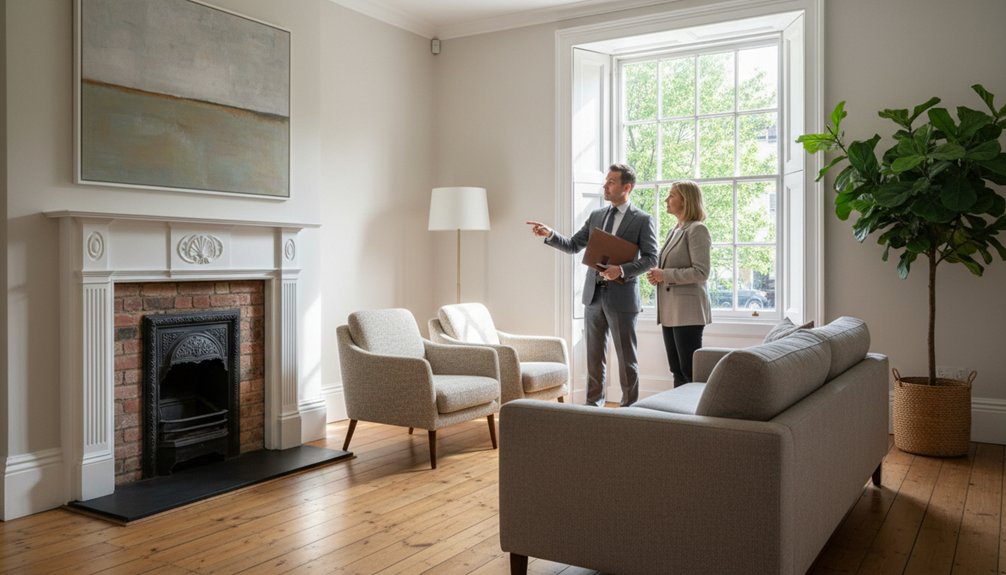
When viewing an Islington property, ask precise questions before you judge its character or potential. Confirm what’s included, request an itemised fixtures and furnishings list, and check the age and condition of the roof, boiler, windows, and structure. Ask about damp, recent repairs, conservation restrictions, running costs, lease terms, and any offers. You should also test the practicalities—noise, transport, parking, and planned developments—because the answers may reveal issues the property’s period features conceal.
Key Takeaways
- What fixtures, appliances, furnishings, parking spaces, and communal facilities are included in the sale?
- How old are the roof, boiler, windows, and electrics, and are there inspection reports or guarantees?
- Are there known damp, subsidence, structural, pest, or previous repair issues?
- What are the council tax, service charges, ground rent, insurance costs, and lease restrictions?
- Have offers been made, and are there planned developments, major works, transport disruptions, or parking restrictions nearby?
What Comes With the Property?

Ask the agent to confirm exactly what’s included in the sale, from fitted wardrobes, integrated appliances, and light fittings to garden sheds, parking spaces, and period features such as fireplaces or original floorboards.
Request an itemised list in writing, noting each appliance’s make, model, and condition.
Check whether curtains, blinds, mirrors, shelving, and freestanding furniture remain, as these influence your Furnishing options and initial costs.
In a converted townhouse, clarify ownership of communal entrances, bin stores, cellars, and shared gardens, plus any access rights or maintenance obligations.
Ask who handles Garden maintenance, how costs are divided, and whether service charges apply.
Photograph distinctive features during your viewing and compare them with the particulars.
Before exchanging contracts, ensure the fixtures-and-fittings list matches the agreed inventory exactly.
How Old Are the Roof, Boiler and Windows?
Ask the agent how old the roof is, when it was last inspected, and whether Islington’s heritage requirements have affected repairs.
You should also ask for the boiler’s installation date, service records, and expected remaining life.
Finally, check the windows’ age, glazing, and condition, especially if the property has period features or lies in a conservation area.
Roof Age and Condition
Before you commit to an Islington property, ask the estate agent when the roof, boiler and windows were installed, then request any available invoices, guarantees or maintenance records.
Focus your inspection on the roof’s condition and construction, especially in Victorian terraces where original slate, clay tiles, and decorative ridge details may need specialist care.
Ask whether the roof has suffered leaks, storm damage, sagging, slipped tiles, or previous patching.
Check the loft for daylight, damp staining, mould, and timber decay, and ask when the gutters, flashings, and chimney pointing last received attention.
Confirm whether later work respected conservation-area requirements.
Enquire about roof maintenance schedules and the roof’s insulation quality, including its depth and material.
A surveyor can identify concealed defects and estimate likely repair costs before you make an offer.
Boiler and Window Lifespan
When viewing an Islington property, find out the installation dates and service history for the boiler and windows, and request invoices, warranties, certificates and maintenance records.
Ask whether the boiler has received annual servicing, who installed it, and whether its controls, radiators and flue meet current safety standards. An older system may reduce heating efficiency and signal near-term replacement costs, so check its model and expected lifespan.
For period homes, establish whether windows are original timber sashes, later replacements or listed-building features. Ask about draught-proofing, glazing, frame repairs and window maintenance, including recent painting and putty work.
Original windows can preserve character and value, but neglected joinery may admit damp and noise. Confirm whether alterations had planning or conservation-area approval, and ask the agent to identify any condensation, sticking sashes or rotten frames during the viewing.
Are There Damp or Structural Problems?
Look closely for tide marks, bubbling paint, cracked plaster, musty smells, or freshly decorated patches, then ask the estate agent whether the property has had damp, subsidence, movement, or other structural issues.
In an older Islington terrace, find out whether original lime mortar, timber floors, sash-window surrounds, or basement walls have been repaired with suitable materials. Ask when the problem appeared, what caused it, and who completed the work.
Request guarantees, survey reports, invoices, and evidence that remedial treatment solved the source rather than hiding symptoms. Check corners, chimney breasts, roof junctions, and ceilings for staining or unevenness.
Ask whether drains, gutters, or neighbouring alterations affect Foundation stability. Look for woodworm or signs of Pest infestation in joists and roof timbers. If answers seem vague, commission an independent building survey before you commit.
What Are the Monthly Running Costs?
Ask the agent which council tax band applies, as period homes in Islington can carry particularly different annual bills.
You’ll also want a clear monthly estimate for electricity, gas, water, and any service charges.
If the property forms part of a converted historic building, ask what those charges cover, including communal repairs and maintenance.
Council Tax Band
Which council tax band is the property in, and what does that mean for your monthly budget? Ask the agent to confirm the band, current annual charge, and Islington Council’s payment schedule.
Divide the yearly figure by twelve for a simple monthly estimate, while remembering that instalments and exemptions can affect your cash flow.
For a period townhouse, listed conversion, or long-standing terrace, don’t assume heritage features determine the band: the Valuation Office Agency assesses each dwelling’s property valuation separately.
Check the band on your council tax bill or the official VOA listing, then compare nearby homes if the result seems surprising.
Ask whether any appeal, rebanding, or alteration is pending, and include those legal considerations in your purchase planning.
Confirm who pays before completion and whether the seller has settled the account.
Utility and Service Charges
Once you’ve confirmed council tax, establish the property’s full monthly running costs. Ask the Islington estate agent for recent electricity, gas, water, and broadband bills, then check whether heating is communal or individually metered.
In a converted Georgian townhouse, clarify service charges for lifts, stairwells, gardens, roofs, and insurance; older fabric can require careful property maintenance. Request the latest accounts, reserve-fund balance, and planned major works, especially for listed buildings or conservation-area properties.
If you’re buying a leasehold, ask how charges are apportioned and whether they’ve risen recently. Confirm ground rent, parking fees, waste arrangements, and any managing-agent administration costs.
Finally, compare these figures with nearby neighborhood amenities and your likely travel expenses. You’ll then see whether the home’s period character comes with manageable, predictable monthly commitments.
What Are the Rent, Price and Council Tax?
Before you become attached to a period conversion or Georgian terrace, confirm the full monthly cost with the Islington estate agent: rent or purchase price, council tax band, and any service charges or ground rent.
Ask whether the quoted rent includes furnishings, and check the tenancy length, deposit, and permitted annual increases.
If you’re buying, request the asking price, recent comparable sales, and the seller’s flexibility.
Confirm the exact council tax band with Islington Council, rather than relying on an outdated listing, and ask about the current annual bill.
Compare similar streets and property types to understand Market trends, especially where restored heritage homes command premiums.
This evidence can reveal Investment opportunities, but don’t confuse character features with value.
Ask what’s influenced the price: condition, location, light, and transport links.
Are There Service Charges or Lease Restrictions?
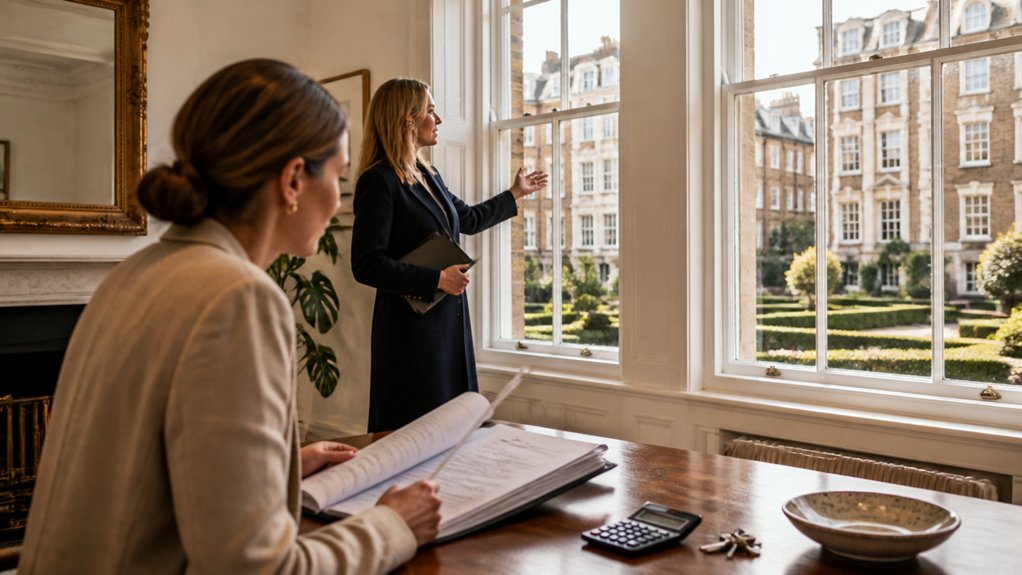
If you’re buying a leasehold flat, ask the Islington estate agent for the latest service-charge accounts, reserve-fund balance, and details of planned major works, particularly in a converted Georgian or Victorian building.
Check whether Service charges cover insurance, communal cleaning, roof repairs, gardening, and upkeep of period features such as sash windows, stucco, or original staircases.
Ask how often charges rise and whether the reserve fund can meet urgent work without a large demand.
Examine the lease for Lease restrictions affecting pets, subletting, alterations, flooring, or external changes.
In a listed building or conservation area, you may need freeholder consent and council approval before replacing windows or changing layouts.
Request the lease length, ground-rent terms, and any transfer, notice, or administration fees.
Have your solicitor verify every answer and document before you commit.
Have Any Offers or Applications Been Made?
Ask the Islington estate agent whether any offers have been submitted, accepted, or rejected, and whether another buyer has started the application or referencing process. This information helps you judge urgency without being rushed into a decision.
Ask how many applicants remain active, whether the landlord or seller has set a deadline, and what documents you’ll need to provide.
If you’re considering a period conversion or listed building, check whether competing interest reflects its Property history, original features, and conservation value, rather than simply its presentation.
You should also compare the asking price with recent local transactions and assess whether neighborhood amenities justify the level of demand.
Request clear, factual answers, preferably in writing, and ask when the agent will update you.
Don’t reveal your maximum budget prematurely.
Why Are the Owners Selling or Leaving?
The owner’s reason for selling or leaving can reveal practical context that an offer history won’t. Ask whether they’re relocating, upsizing, downsizing, or responding to changes in work or family life. A straightforward answer may help you judge whether the decision relates to the property itself or simply personal circumstances.
Ask how long they’ve lived there and what alterations they’ve made. This adds useful detail to the home’s Ownership history, particularly in a listed building or a period terrace where extensions, rewiring, and repairs require careful records.
Enquire what they’ve valued most, from original fireplaces and cornicing to nearby neighborhood amenities, shops, and cultural landmarks.
You’re not seeking private information; you’re testing whether the agent can explain the home’s story clearly. Evasive answers deserve closer attention during your checks.
What Are Noise, Transport and Parking Like?
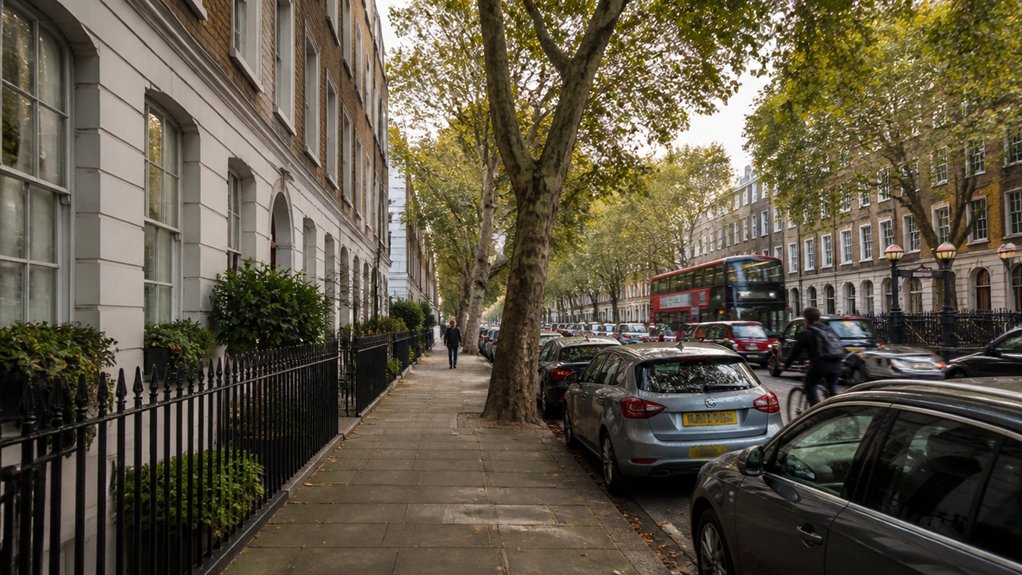
Noise, transport and parking can shape daily life as much as the rooms themselves, particularly in Islington’s busy Georgian terraces and conservation areas. Ask the agent whether traffic, buses, nightlife, or deliveries affect the property, and visit again during rush hour and evening hours.
Check how original sash windows, shutters, and listed-building restrictions influence soundproofing options. Enquire about nearby Underground, Overground, and bus routes, including disruption, walking times, and accessibility.
If you drive, ask about residents’ permits, waiting lists, controlled parking hours, and visitor bays; inspect the street for cycle storage and loading pressure. Finally, discuss neighborhood safety after dark, lighting, and local amenities.
A short walk can reveal late-night noise, overlooked entrances, or convenient shops that maps won’t show. Confirm every answer against council information and your own observations.
Conclusion
By asking the right questions, you’ll look beyond polished rooms and discover the property’s true character. Check what stays, assess what needs repair, and understand what you’ll pay. Explore the lease, respect Islington’s heritage protections, and investigate noise, transport, parking, and planned developments. When you compare facts rather than impressions, you’ll protect your budget, preserve your peace of mind, and choose a home—or investment—that fits your life today and remains valuable tomorrow.