
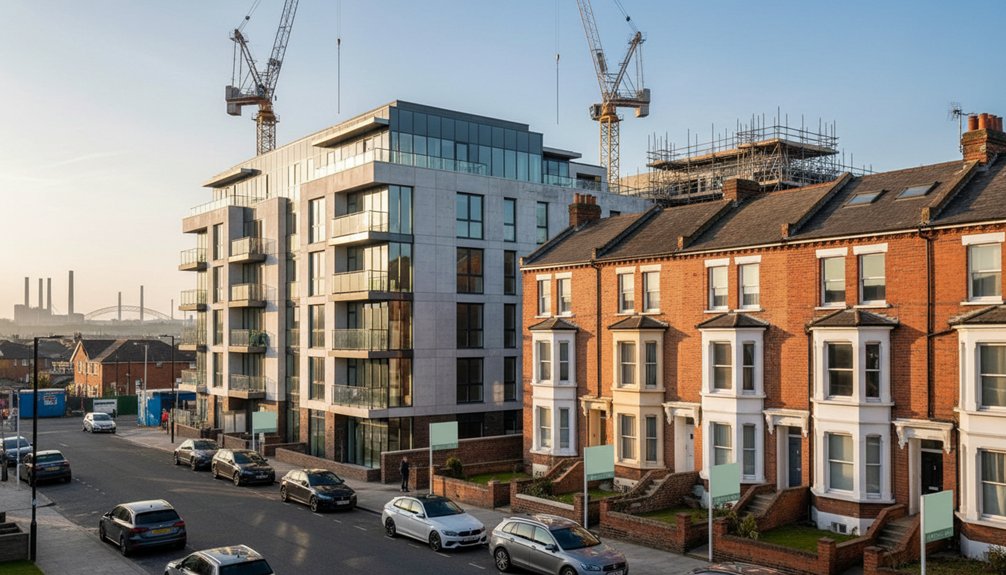
Dartford’s property market is holding its course like a well-kept Victorian terrace: steady, characterful, and shaped by change beneath the surface. You’ll find firm demand for renovated period homes, practical family houses, and properties close to the town centre and transport links. Buyers still weigh mortgage costs carefully, while sellers must present original features alongside modern efficiency. Prices, selling times, and the homes attracting the strongest offers reveal a market with more nuance than first appears.
Key Takeaways
- Dartford’s market shows steady demand, particularly for well-presented homes near transport links, schools, shops, and community facilities.
- Commuters favour flats and Victorian terraces near Dartford station, while families seek larger houses with gardens in Wilmington, Darenth, and Greenhithe.
- Period properties attract strong interest when original features are preserved and major issues, including damp, roofs, and outdated services, are addressed.
- Prices reflect location, condition, limited supply, transport investment, and regeneration, with family homes and well-connected properties commanding premiums.
- Mortgage rates continue influencing affordability, while realistic pricing, careful presentation, and clear surveys can help properties sell more quickly.
What Is the Dartford Property Market Like Now?
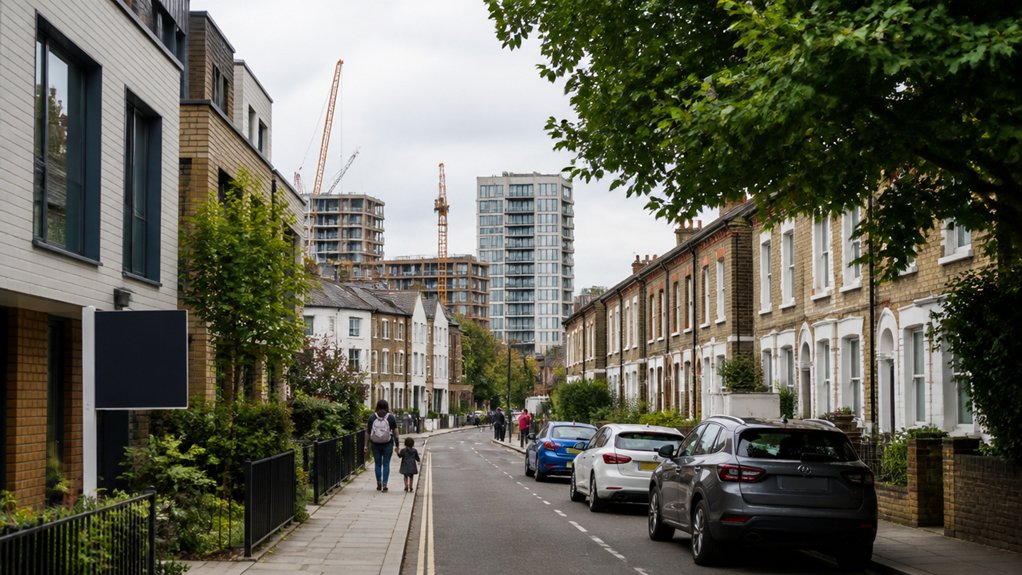
Dartford’s property market now blends steady demand with a strong sense of place, from period homes near the town centre to renovated terraces and newer developments around the station. As you explore, you’ll find Victorian details, practical family layouts, and flats designed for commuters.
Heritage streets reward careful renovation, while newer schemes often offer energy efficiency, secure parking, and straightforward maintenance. Urban development continues around transport links, supporting shops, cafés, and community facilities without erasing Dartford’s established character.
You’ll also notice varied demand: families value schools, parks, and larger homes, while professionals prioritise rail connections and manageable commuting times. The Rental market remains active, particularly for well-presented flats and houses near the station.
Condition, location, and usable space still shape decisions, so inspect each home’s potential carefully.
How Have Dartford Property Prices Changed?
You’ll see Dartford property prices shaped by recent market trends, from changing buyer demand to transport-led interest around the town.
Period homes and well-renovated Victorian terraces can command stronger values, while dated properties may need careful pricing.
Comparing recent sales will help you judge how your property’s market value has changed.
Recent Price Trends
Over the past few years, Dartford property prices have reflected strong commuter demand, limited housing supply and continued investment around the town centre and transport links.
You’ve seen the clearest momentum in well-connected homes near Dartford station, where period terraces, Victorian cottages and carefully renovated family houses attract steady interest.
Luxury apartments have also gained attention, particularly where modern specification combines with easy rail access and views towards the Thames.
Meanwhile, the rental market remains active, supported by professionals seeking shorter journeys into London and families wanting more space than inner-borough living provides.
Older properties can command a premium when you preserve original fireplaces, sash windows and brickwork while upgrading kitchens, insulation and bathrooms.
Local price movement hasn’t been uniform, so condition, parking, school catchments and exact location still shape buyer decisions.
Market Value Changes
Those varied local conditions have shaped how Dartford property prices have changed, with the strongest gains generally appearing in well-connected homes that combine period character with thoughtful modernisation. If you’re comparing valuations, look beyond headline averages: properties near the station, riverside walks, and established schools can command stronger prices than similar homes elsewhere.
Victorian terraces and older semis often reward careful upgrades, particularly sympathetic extensions, restored joinery, and improved insulation. However, buyers now scrutinise maintenance costs, EPC ratings, and borrowing affordability more closely, which can temper offers on neglected buildings.
As an owner, you’ll also need to factor in Property taxation, insurance, and renovation budgets when judging your real return. For landlords, rental yields remain important, yet purchase prices and compliance costs can narrow margins, even where tenant demand stays resilient locally.
What Does It Cost to Buy in Dartford?
Buying in Dartford means balancing heritage appeal with practical renovation costs. You’ll find more affordable housing in established terraces around Dartford town centre, Temple Hill, and parts of Wilmington, though condition varies.
A period home may appear cheaper than a polished property, yet rewiring, damp treatment, roof repairs, or sympathetic window replacements can quickly reshape your budget.
Modern flats near the station offer convenience, while Luxury apartments command stronger prices for secure parking, balconies, concierge facilities, and quick London connections.
Family houses typically cost more where gardens, schools, and quieter roads add value, particularly around Bexley borders and sought-after villages.
Before you commit, obtain a survey, check lease terms, and price conservation-friendly work.
Stamp duty, solicitor fees, mortgage costs, and a contingency fund should sit alongside your purchase figure.
Which Dartford Properties Are Selling Fastest?
Price is only part of the picture when you’re judging Dartford’s fastest-moving homes. You’ll usually find strong demand for well-presented terraces near the town centre, period cottages around Wilmington, and practical family houses within reach of respected schools and railway links.
Buyers value original fireplaces, generous proportions, and usable gardens, but they’ll still expect sound roofs, efficient heating, and sensible kitchens.
If you’re renovating a Victorian or Edwardian property, preserve its character while addressing damp, wiring, insulation, and layout; thoughtful work can attract attention quickly.
Flats close to Dartford station also appeal to commuters and landlords, particularly where service charges remain manageable.
Historical investment in transport and regeneration supports long-term confidence, while rental yield matters to investors weighing income against purchase price.
Focus on condition, location, and lasting appeal when selecting your property.
How Long Do Dartford Homes Take to Sell?
How long Dartford homes take to sell depends on location, condition, pricing, and buyer demand. You’ll usually attract stronger interest when you price a well-presented property realistically from the outset.
Period homes near Dartford’s historic centre may need more time if buyers anticipate costly roof, wiring, or window repairs, while a carefully renovated home can encourage quicker offers.
Before listing, ask a local agent to compare recent sales and assess your property’s distinctive features, from original brickwork to transport access.
If you’re considering property investment, calculate selling times alongside mortgage costs, renovation budgets, and rental affordability, rather than relying on optimistic estimates.
A clear survey, tidy paperwork, and sensible negotiations can prevent delays after an offer.
You’ll improve your chances by preparing thoroughly, not simply chasing the highest asking price.
Which Dartford Neighbourhoods Are Most Popular?
Popular Dartford neighbourhoods appeal for different reasons, so your choice should match your priorities. Central Dartford suits you if you value heritage terraces, quick station access, and a lively high street. You’ll find Victorian details worth preserving, although some homes need careful renovation and modern insulation.
If you prefer greener surroundings, Wilmington offers village character, period properties, and access to Darenth Country Park. You’ll need to weigh longer journeys against space and tranquillity.
In West Dartford, Joydens Wood attracts you with woodland walks, established streets, and family-friendly neighborhood amenities.
Bexleyheath-bordering areas provide a suburban feel.
Local development is reshaping parts of the town, so check planning applications, traffic proposals, and conservation constraints before committing. Walk each area at different times; local shops, schools, noise, and parking can change your impression considerably.
Which Dartford Homes Have the Most Buyer Demand?
Beyond choosing the right neighbourhood, you’ll need to match your search with the homes Dartford buyers pursue most actively. Period terraces remain popular, particularly properties near the town centre, station, and riverside, where solid brickwork, high ceilings, and adaptable layouts reward thoughtful renovation.
You’ll attract strong interest with a well-presented two- or three-bedroom house offering a garden, parking, and scope to improve without major structural work.
Families often prioritise semis around Darenth, Wilmington, and the Greenhithe boundary, valuing extra bedrooms, generous gardens, and practical school-run access.
Meanwhile, downsizers and professionals continue to contemplate luxury apartments, especially schemes with secure parking, lifts, and manageable communal spaces.
Historic estates command attention too, but buyers will inspect roofs, windows, services, and listed-building restrictions closely.
Preserve character, modernise sensitively, and present clear documentation to strengthen your appeal.
How Are Mortgage Rates Affecting Dartford Buyers?

Although mortgage rates have eased from their peak, they’re still shaping what Dartford buyers can afford and how confidently they bid. For you, mortgage affordability now depends on more than the headline rate: lenders assess income, deposits, commitments, and projected payments carefully.
A modest rate change can alter your budget, particularly when you’re considering a Victorian terrace near the town centre, a period home around Wilmington, or a renovation project requiring a separate works allowance.
Interest rate fluctuations also affect your choice between fixed and variable deals, so compare the total cost and early-repayment terms rather than chasing the lowest initial figure.
If your borrowing power feels tighter, focus on realistic monthly payments and value-adding features, such as sound structure, original details, and efficient heating, before stretching your budget for extra space.
What Should Dartford Sellers Do Before Listing?
Before listing your Dartford home, prepare it carefully while respecting original features, from period fireplaces to traditional brickwork.
Tackle practical repairs, refresh tired rooms, and present the property at its best without over-renovating.
Then set a realistic price based on local demand, comparable sales, and your home’s condition.
Prepare Your Property
To prepare your Dartford property for sale, start by pairing practical repairs with respect for its character, whether that means restoring original features in a Victorian terrace or revitalizing a tired 20th-century family home. Fix dripping taps, sticking doors, cracked sealant, and tired paintwork before buyers notice them.
Arrange professional property inspections to uncover roof, damp, electrical, or structural concerns, particularly in older homes around Dartford town centre and nearby conservation areas.
Keep original fireplaces, cornices, floorboards, and stair details where possible, repairing rather than replacing them.
Improve kerb appeal with tidy planting, clean brickwork, and a welcoming entrance.
Thoughtful home staging can then highlight room proportions, period features, and natural light without making the house feel generic.
Declutter, depersonalise, and complete a deep clean so viewers can picture living there comfortably.
Set The Right Price
Once your Dartford property looks its best, set a price that reflects both its condition and its place in the local market. Compare recent sales of similar homes in Dartford, not hopeful asking prices. A restored Victorian terrace near the town centre may command more than a tired property needing rewiring, while a well-finished home near fast rail links can attract strong interest.
Ask a local agent for a realistic valuation, then review each comparable carefully. Consider your renovation costs, period features, EPC rating, and outdoor space, but don’t mistake sentimental value for market value.
If you’re weighing a sale against property investment, check whether the rental market supports your target return. Pricing slightly above evidence can reduce viewings; pricing competitively can create momentum. Reassess after two weeks and adjust promptly if buyers aren’t engaging.
Is Dartford a Good Place to Buy a Home?
Dartford can be a good place to buy a home if you value strong transport links, a well-established community and a mix of period character and practical modern housing. You’ll find Victorian terraces near the town centre, family houses in Wilmington and Bexleyheath, and newer apartments close to the station.
Affordable neighborhoods can offer useful space, but inspect roofs, damp, windows and outdated electrics before committing to renovation costs.
Local amenities, schools, Bluewater access and fast rail connections to London support everyday convenience and buyer demand.
For landlords, these fundamentals may create investment opportunities, although you should assess lease terms, service charges, licensing requirements and realistic rents carefully.
If you’re buying for yourself, compare conservation constraints, parking and flood-risk information, then budget for sympathetic improvements that protect each property’s character.
Conclusion
Dartford’s property market is lively precisely because it balances old and new. You’ll find buyers chasing period fireplaces, garden space and Wilmington character, while transport improvements quietly strengthen modern estates. Ironically, the homes needing the most care can attract the strongest attention—provided you understand renovation costs. If you’re buying, act decisively; if you’re selling, present the heritage without hiding the maintenance. Dartford rewards informed choices, turning bricks, rail links and community spirit into lasting value.