
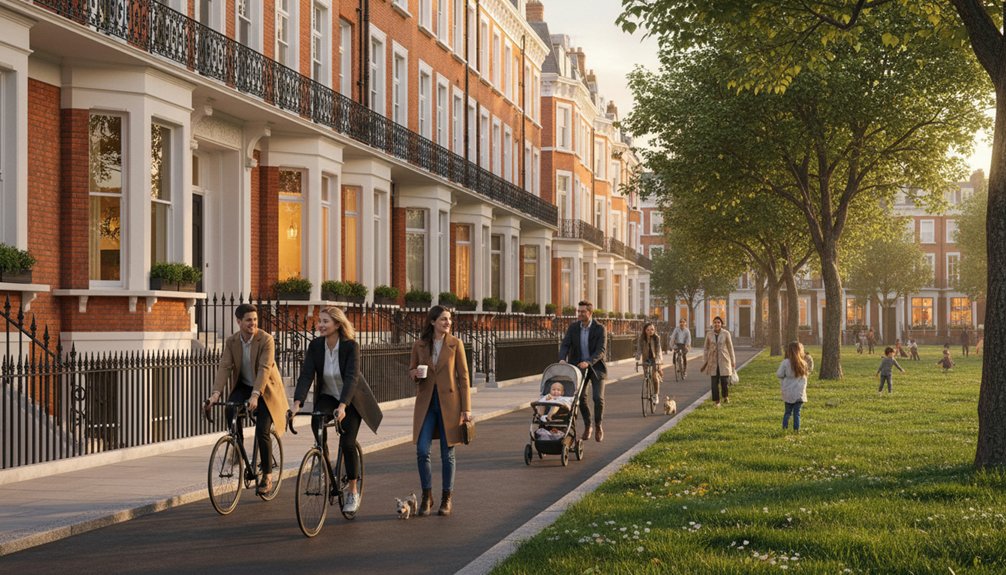
Clapham pairs Victorian terraces and heritage façades with polished flats, independent cafés, and efficient transport links. You’ll find a design-conscious setting where period details often sit alongside thoughtful renovations, though the area’s popularity comes with premium prices and busy streets. With Clapham Common, lively social spaces, and several distinct neighbourhood pockets, it offers a strong case for modern urban living—but whether its character, cost, and pace suit you depends on where you settle.
Key Takeaways
- Clapham offers excellent transport links via Northern line, Overground, mainline rail, and buses, making central London commutes straightforward.
- Clapham Common provides extensive green space, sports facilities, walking routes, wildlife, and community events for active urban living.
- Diverse cafés, restaurants, shops, nightlife, and community groups create a sociable, culturally varied neighbourhood atmosphere.
- Victorian terraces and period flats provide character, though conservation rules, renovation needs, and premium prices can increase housing costs.
- Families benefit from schools, nurseries, and amenities, while parking difficulties, noise, and competitive admissions may affect suitability.
Is Clapham a Good Place to Live?

Clapham is a compelling place to live if you value heritage architecture, lively public spaces, and well-connected urban convenience. You’ll find handsome Victorian terraces, converted villas, and period flats offering strong foundations for thoughtful renovation. Original cornices, fireplaces, sash windows, and timber floors can give your home character, while contemporary kitchens and discreet insulation improve everyday comfort.
Clapham’s cultural diversity shapes its cafés, restaurants, shops, and community life, giving each pocket a distinct personality. You can spend weekends among the greenery of Clapham Common, browse independent businesses, or meet friends over dinner.
The nightlife scene ranges from relaxed wine bars and neighbourhood pubs to energetic venues, so you won’t need to sacrifice atmosphere for convenience.
If you appreciate adaptable interiors, active streets, and established character, Clapham offers a rewarding modern lifestyle.
How Well Connected Is Clapham?
That character comes with strong transport links, making daily life practical as well as atmospheric. You can reach central London quickly from Clapham Common, Clapham North, Clapham South, and Clapham Junction stations.
Northern line services connect you with the West End and City, while rail routes from the Junction open convenient journeys across London and beyond. Buses add useful coverage when you’re carrying samples, salvaged fittings, or shopping for a renovation.
Public transport makes commuting straightforward without compromising Clapham’s village-like rhythm. Cycling works well too, with quieter residential streets linking cafés, studios, and nightlife venues.
You’ll also find nearby Overground connections and easy access to mainline terminals. For design-conscious urban living, that combination lets you restore a period home while keeping work, culture, and weekend escapes within easy reach.
Which Clapham Areas Suit You Best?
Where you settle depends on the kind of home life you want to create. Clapham Old Town suits you if you value Georgian façades, quiet streets, and period homes with cornicing, sash windows, and scope for discreet upgrades.
Around Clapham North, you’ll find a more eclectic character, with Victorian conversions, independent cafés, and local art shaping a creative atmosphere.
Clapham South offers broader streets and substantial terraces, appealing if you want generous proportions, a calmer rhythm, and room for a considered rear extension.
Choose Clapham Junction if convenience and energy matter most; warehouse-style flats and polished new developments sit close to nightlife hotspots.
Before buying, inspect conservation restrictions, lease terms, and renovation potential. Each pocket has a distinct identity, so match its architecture, pace, and design possibilities to your priorities.
What Is Clapham Common Like?

Bordered by mature trees, sports pitches, and broad walking routes, Clapham Common gives daily life a distinctly open, village-like feel while remaining close to central London. You’ll find space for morning runs, relaxed picnics, tennis, cricket, and quiet pauses beside the ponds.
Its listed bandstand and historic landscape add architectural character, rewarding residents who value London’s layered heritage. Seasonal community events bring neighbours together, from outdoor performances to local fairs, while cafés around the edges keep the setting sociable without overwhelming its calm.
You’ll also notice local wildlife, including waterfowl, parakeets, and bats, particularly around greener, less formal corners. Recent landscape care respects the Common’s historic design, so you can enjoy well-maintained routes, open views, and a park that feels both preserved and genuinely lived-in.
How Much Does Living in Clapham Cost?
Clapham Common’s heritage setting comes with a premium, and you’ll generally pay more here than in many outer London districts. Expect higher rents and sale prices for period conversions, Victorian terraces, and architect-designed apartments near the Common.
You’ll also need to budget for London’s rising bills, council tax, transport, and maintenance.
If you’re buying, factor renovation costs into your offer. Listed details, sash windows, original floorboards, and conservation-area controls can make upgrades slower and pricier, while thoughtful restoration preserves character and adds value.
A modern kitchen, efficient glazing, and carefully planned storage can transform an older home without erasing its identity.
You pay partly for lifestyle: local nightlife, independent venues, and proximity to historic landmarks strengthen demand.
Compare streets carefully, as condition, orientation, and outdoor space can considerably affect your monthly costs.
What Are Clapham’s Schools and Amenities Like?
If you’re weighing a move to Clapham, you’ll find a strong mix of well-regarded schools, independent shops, cafés, and everyday services within a heritage-rich setting.
Families can choose from respected primary and secondary schools, while nurseries and playgroups support younger children. You’ll also find pharmacies, supermarkets, libraries, fitness studios, and practical services close to home, reducing reliance on long journeys.
Clapham’s Victorian terraces, mansion blocks, and converted buildings give everyday errands an architectural backdrop, though period homes may need thoughtful renovation, insulation, and updated wiring.
Local markets add character and useful household finds without overwhelming the neighbourhood’s residential feel.
Community events, seasonal fairs, and local groups help you meet neighbours and connect with the area’s long-established identity.
Public transport further simplifies school runs and shopping trips.
Where Do Clapham Residents Eat and Socialise?
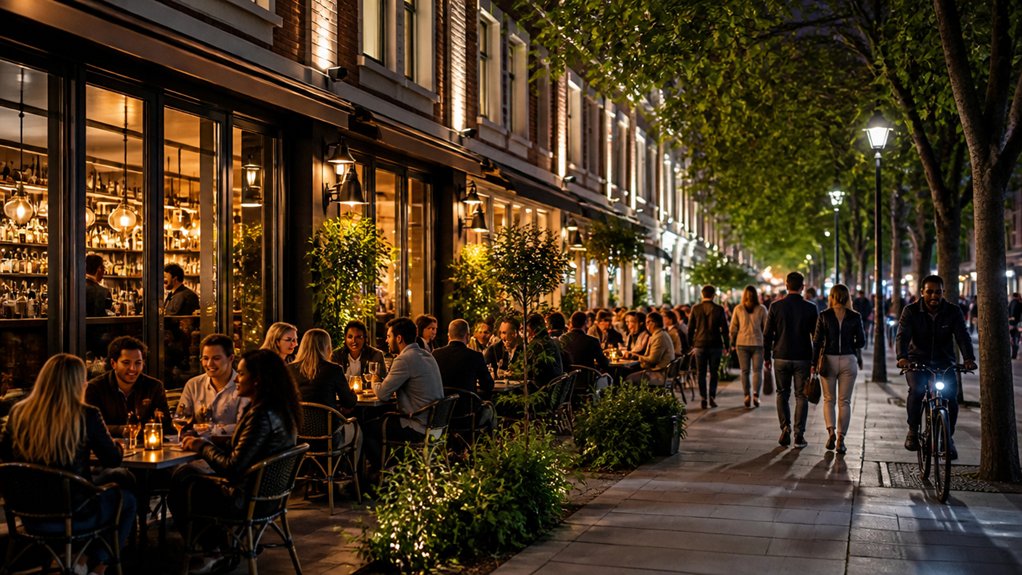
From elegant dining rooms in converted Victorian buildings to relaxed cafés and lively pubs around Clapham Common, you’ll find a social scene that suits both everyday routines and special occasions.
Explore local cuisine in restored terraces, where original cornices, timber floors, and tiled façades frame menus shaped by modern London tastes. You can move from independent coffee shops to polished bistros along Abbeville Village, appreciating thoughtful interiors that respect each building’s history.
Around Clapham High Street, nightlife hotspots range from intimate cocktail bars to energetic venues with live music and late openings. You’ll also discover characterful pubs near the Common, many updated with stylish lighting, reclaimed materials, and comfortable seating.
Whether you’re meeting friends or enjoying a quiet meal, Clapham makes heritage feel contemporary without losing its distinctive social character.
Is Clapham Good for Families?
You’ll find family-friendly green spaces where Clapham’s heritage landscapes offer room to play, relax, and gather.
Local schools and childcare options support daily routines, while period homes can be thoughtfully renovated for modern family life.
Consider how each pocket’s amenities, architecture, and design character suit your household.
Family-Friendly Green Spaces
What makes Clapham especially appealing to families is its generous choice of green spaces, led by the historic Clapham Common. You can spread out across its broad lawns, wooded paths, ponds, and play areas, while the bandstand and listed architecture add a distinctive heritage layer.
These urban parks give you room for weekend picnics, cycling, informal games, and quieter walks without leaving the neighbourhood. Nearby, smaller gardens and landscaped squares offer calmer settings, with thoughtful planting and well-maintained paths that suit everyday routines.
You’ll also notice community-led green initiatives, from tree planting to habitat improvements, reflecting Clapham’s practical approach to preserving its character.
If you’re renovating a period home, views towards mature greenery can enhance its appeal, while contemporary landscaping keeps family life feeling polished, connected, and comfortably urban.
Schools And Childcare Options
When choosing a family home in Clapham, you’ll find a strong mix of state primary schools, independent options, nurseries, and childminders within reach of its residential streets. School quality varies, so you’ll want to compare Ofsted reports, admissions data, catchment boundaries, and inspection results before committing to a Victorian terrace or converted flat.
Local primary schools often sit near leafy squares, making the morning journey manageable on foot or by bike. Childcare options include Montessori nurseries, playgroups, and flexible childminders, though popular places can fill quickly.
As you explore, consider storage for buggies, a practical entrance, and a garden or nearby common for after-school play. Period homes offer character, but thoughtful renovation can create calm bedrooms, study corners, and family-friendly kitchens without erasing their architectural heritage.
What Are Clapham’s Main Drawbacks?
Clapham’s handsome period homes come with high property prices, so you’ll need a careful renovation budget.
You may also find busy streets and persistent noise competing with the calm of your carefully designed interior.
Limited parking can further complicate daily life, especially when you’re managing building materials, tradespeople, or deliveries.
High Property Prices
For many buyers, Clapham’s period terraces, garden squares, and thoughtfully renovated Victorian homes come with a premium that can strain the budget. You’ll often pay more for original cornicing, generous proportions, and a carefully restored façade, even before upgrading kitchens, bathrooms, or services.
Luxury apartments add another costly option, particularly where developers blend period character with discreetly integrated technology and high-spec finishes.
If you’re considering Property investments, strong demand may support long-term value, but the entry price can limit your choice and rental yield.
You’ll also need to budget for conservation-sensitive repairs, leasehold charges, surveys, and specialist craftsmanship.
Compare recent sales carefully, assess renovation risks, and decide whether the architectural character justifies the premium.
A smaller flat or less polished property could offer a more manageable route into Clapham.
Busy Streets And Noise
Although Clapham’s leafy squares and handsome terraces feel residential, busy roads, nightlife, and commuter traffic can bring persistent noise. You’ll notice street congestion around Clapham High Street, the A3, and major junctions, particularly during school runs and evening rushes.
Restaurants, pubs, and late-opening venues add voices, deliveries, and music after dark, while buses and emergency vehicles can interrupt otherwise calm streets.
When viewing a period flat, listen with the windows open and inspect bedroom placement, sash glazing, and rear elevations. Thoughtful renovation can improve comfort without compromising heritage: secondary glazing, discreet draught-proofing, solid internal doors, and carefully specified acoustic insulation often help.
Still, you’ll need realistic expectations. Ambient noise varies by block, floor, and frontage, so compare weekday and weekend visits before committing to Clapham’s characterful urban rhythm.
Limited Parking Availability
If you’re bringing a car to Clapham, you’ll need to plan around scarce on-street spaces, controlled parking zones, and limited private driveways. Period terraces and converted villas often prioritise original frontage, so creating a new parking bay may compromise both planning consent and architectural character.
You’ll face parking challenges around popular high streets, station approaches, and evenings when residents return home. Check your permit zone, visitor rules, and local waiting restrictions before choosing a property, particularly if you’re renovating a heritage-listed or conservation-area home.
Thoughtful design can help: discreet cycle storage, built-in charging, and carefully screened refuse areas preserve kerb appeal without sacrificing practicality. Vehicle restrictions and occasional road closures can also affect deliveries, tradespeople, and moving vans.
If daily driving matters, compare garages, car clubs, and nearby private spaces early.
Is Living in Clapham Right for You?
Is Clapham right for you? If you value period character with contemporary convenience, you’ll feel at home among Victorian terraces, handsome mansion blocks, and carefully renovated conversions. Look for original cornices, sash windows, and fireplaces, then assess insulation, wiring, and roof condition before committing to a design-led refurbishment.
You’ll also find plenty to do after work. Nightlife options range from polished cocktail bars and lively pubs to intimate music venues, while cafés and restaurants reflect Clapham’s cultural diversity. Green spaces, especially Clapham Common, add breathing room for running, picnics, and weekend markets.
However, limited parking availability may challenge you if you rely on a car. Choose a home near the Northern line, shops, and essential services, and Clapham can support a stylish, sociable, and practical urban lifestyle.
Conclusion
If you’re seeking stylish city living with a sense of history, Clapham makes a compelling choice. You’ll find leafy lanes, lively locals, and beautifully preserved period properties alongside smartly renovated flats. Excellent transport, eclectic eateries, and Clapham Common keep everyday life convenient and connected. However, high housing costs, busy nightlife, and occasional congestion may challenge your budget and patience. If heritage, design, and sociable surroundings matter, Clapham could be your ideal London home.