
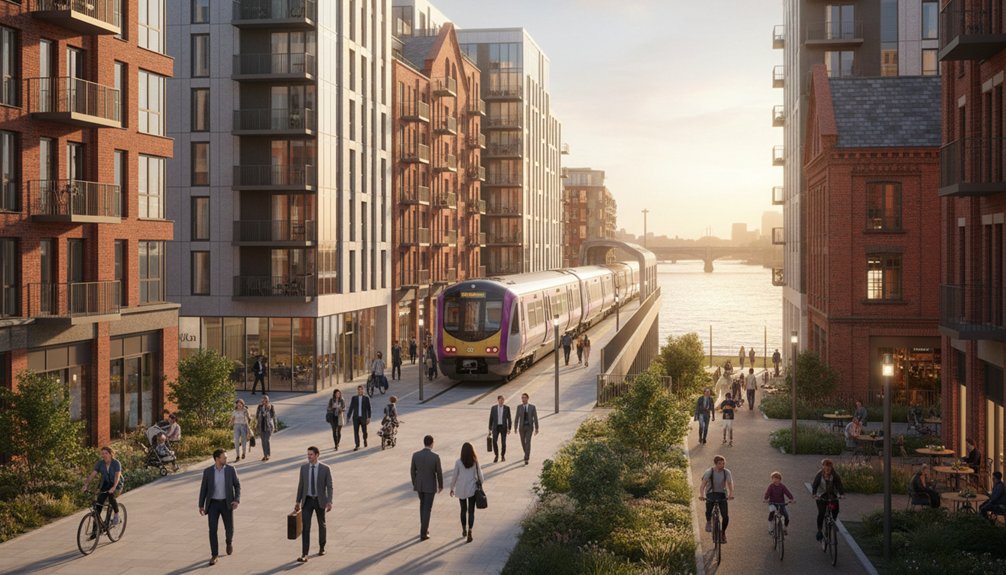
If you’re considering Woolwich, you’ll find a rare blend of heritage character, improving infrastructure, and practical value. The Elizabeth Line, DLR, and river services can simplify your commute, while period homes, modern apartments, and renovation opportunities suit varied budgets. Add riverside walks, green spaces, and a well-established community, and the area offers more than convenience. Yet Woolwich’s appeal depends on how its transport, property, and regeneration plans align with your priorities.
Key Takeaways
- Excellent Elizabeth Line, DLR, rail, and river connections provide quick journeys to Canary Wharf, central London, Greenwich, and London Bridge.
- Woolwich offers relatively affordable period homes, terraces, renovated properties, and modern riverside apartments compared with nearby districts.
- Heritage architecture, character streetscapes, and regeneration create distinctive homes with strong long-term lifestyle and investment appeal.
- Extensive green spaces, riverside walks, parks, and waterfront developments support outdoor living and family-friendly recreation.
- Diverse amenities, community events, improving services, and a lively atmosphere attract families, professionals, homeowners, and investors.
What Makes Woolwich Attractive to Buyers?

Woolwich attracts buyers with its heritage streetscapes, established community, and practical access to Ottawa’s downtown core. When you explore the neighbourhood, you’ll find character homes, mature trees, and a settled atmosphere that newer developments can’t easily replicate.
These properties often reward careful updates: preserve original millwork, masonry, and proportions while improving kitchens, insulation, and mechanical systems. You’ll also benefit from local amenities that support daily routines, including shops, schools, parks, and essential services nearby.
Community events create regular opportunities to meet neighbours and strengthen Woolwich’s welcoming identity. From a market perspective, that blend of architectural character and livability can support long-term appeal, particularly when renovations respect the home’s heritage details.
You’ll want to assess maintenance needs closely, but thoughtful improvements can make a distinctive property both comfortable and competitive.
Which Transport Links Serve Woolwich?
With Ottawa’s downtown core within practical reach, Woolwich gives buyers access to several transport options without sacrificing its established, residential character. You can connect with OC Transpo bus routes along major corridors, while nearby stations and park-and-ride facilities support longer journeys without relying on a car for every trip.
Cyclists benefit from local streets and riverside routes, and drivers can reach arterial roads efficiently for regional errands.
Before renovating a heritage property, check parking requirements, driveway access, and transit-related planning rules; these details can affect both costs and resale appeal.
Walkability also adds everyday value, letting you reach Historical landmarks, shops, and Cultural festivals with less driving.
As you compare listings, assess stop locations, service frequency, winter practicality, and future infrastructure plans—not just the home’s period character.
How Fast Can You Reach Central London?
You’ll reach central London swiftly on the Elizabeth Line, making Woolwich’s heritage homes especially appealing to commuters.
From Woolwich Arsenal, you’ll also benefit from strong rail, DLR and river connections, with peak-time journey estimates helping you weigh each route.
That speed can strengthen resale appeal when you’re evaluating a renovation project.
Elizabeth Line Speed
When speed matters, the Elizabeth line puts Woolwich within easy reach of central London, with trains reaching Canary Wharf in around eight minutes and Tottenham Court Road in roughly 20 minutes. You can connect with major employment, shopping and cultural districts while retaining Woolwich’s distinctive heritage character.
That balance helps explain why renovated period homes, converted industrial spaces and modern apartments continue to attract buyers seeking both convenience and long-term value. For commuters, frequent services reduce daily travel friction, giving you more time at home and supporting predictable routines.
You’ll also find local amenities close to the station, from cafés and supermarkets to riverside leisure options. Woolwich’s historical significance adds depth to its property appeal, while fast journeys strengthen its position as a practical base for central London professionals and discerning homeowners.
Woolwich Arsenal Connections
Woolwich Arsenal’s Elizabeth line station links you to Canary Wharf in about eight minutes, London Bridge in roughly 15, and Tottenham Court Road in around 20, making central London commutes remarkably straightforward.
From here, you can reach major business, shopping, and cultural districts without sacrificing Woolwich’s distinct character. The journey begins beside the Royal Arsenal, whose historical significance still shapes the waterfront’s converted industrial buildings, landscaped squares, and carefully renovated homes.
You’ll also find direct DLR services towards Greenwich and Bank, widening your options for work and leisure. That connectivity strengthens buyer appeal, particularly if you’re weighing period architecture against modern amenities.
Meanwhile, Woolwich’s cultural diversity brings independent food, community events, and everyday energy to the neighbourhood, giving you more than a convenient address—it offers a connected, evolving place to live.
Peak-Time Journey Estimates
For buyers evaluating Woolwich Arsenal’s connectivity, peak-time timings put central London comfortably within reach. From Woolwich Arsenal station, you can typically reach London Bridge in around 15 minutes by Elizabeth line, with Canary Wharf taking roughly 10 minutes. Paddington usually sits near 30 minutes, depending on your connection and walking time.
During Peak hours, frequent services make it easier to plan office arrivals, school runs, and weekend viewings without surrendering your morning. Your Commuter habits still matter: check live timetables, allow for platform changes, and compare routes before making an offer.
That practical certainty strengthens Woolwich’s market appeal, particularly for buyers balancing period terraces, listed surroundings, and renovation budgets. You’re not just buying heritage; you’re securing a faster daily link to London’s commercial core.
Check engineering works before committing.
What Types of Homes Are Available?

You’ll find period homes and terraces that showcase Woolwich’s heritage, often offering renovation potential and distinctive character.
You can also consider modern apartments and new developments, with contemporary layouts and amenities suited to commuters.
Comparing condition, service charges, and future resale appeal will help you choose wisely.
Period Homes and Terraces
Whether you’re drawn to Victorian terraces, Edwardian houses, or converted period flats, Woolwich offers homes with distinctive character and solid renovation potential. You’ll find original brick façades, generous proportions, sash windows, ceiling cornices, and fireplaces that reward careful restoration.
Historic architecture gives these properties lasting appeal, while nearby community events help create a lively, established neighbourhood feel.
Before you buy, inspect roofs, windows, damp, wiring, and plumbing, then confirm whether conservation controls affect alterations. A sympathetic refurbishment can protect period detailing while improving insulation, kitchens, and bathrooms, but costs can quickly exceed initial estimates.
Terraces often provide adaptable layouts and gardens, making them attractive to families, professionals, and investors. Compare completed sales, not just asking prices, and assess each street’s transport links, parking, and long-term resale prospects before committing to a character home.
Modern Apartments and Developments
Alongside its period homes, Woolwich offers modern apartments in converted warehouses, purpose-built blocks, and riverside developments with secure entry, lifts, balconies, and energy-efficient systems.
You can choose compact studios, practical one-bedroom flats, or larger family apartments, often with open-plan kitchens and generous glazing. Some schemes add concierge services, gyms, communal gardens, and residents’ lounges, delivering luxury amenities without sacrificing everyday convenience.
Modern design appeals if you value clean lines, efficient layouts, and minimal maintenance, while warehouse conversions may retain brickwork, beams, and industrial character.
Before you buy, compare service charges, lease terms, parking arrangements, and planned works; impressive communal facilities can affect long-term affordability.
You’ll also find new-build warranties and improved insulation, helping you balance Woolwich’s historic setting with contemporary comfort, security, and stronger energy performance.
Is Woolwich Good Value for Buyers?
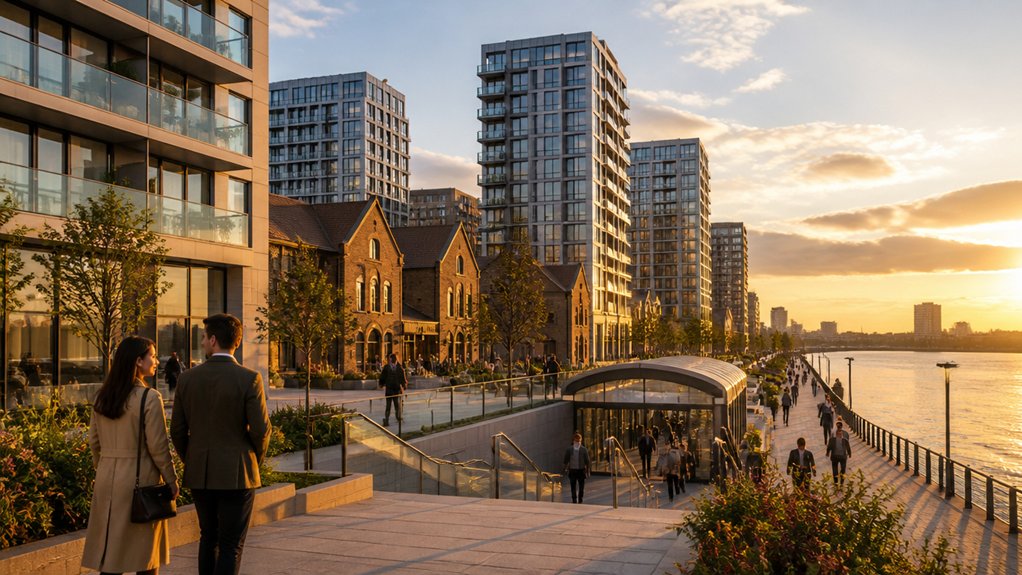
Is Woolwich good value for buyers? You’ll often find stronger affordability here than in neighbouring riverside districts, particularly when you compare period terraces, converted homes, and newer apartments by size and location.
That affordable pricing can give you more scope to buy well and improve thoughtfully, whether you’re restoring original features, upgrading a tired kitchen, or reworking an inefficient layout.
Woolwich’s heritage adds character that many buyers can’t easily replicate elsewhere, while continued investment and improved connections support long-term property appreciation.
You should still assess service charges, lease terms, building condition, and local sale evidence before committing.
A careful survey matters, especially with historic properties, where maintenance costs can surprise you.
If you match your budget to realistic renovation needs, Woolwich can offer compelling value and lasting appeal.
Where Can You Enjoy Green and Riverside Space?
Value isn’t only about purchase price; access to outdoor space can also shape Woolwich’s day-to-day appeal and resale prospects. You’ll find substantial green relief at Woolwich Common, where mature trees, open lawns and historic military surroundings create a distinctive setting.
Nearby, Shrewsbury Park adds broad views towards the Thames, woodland paths and practical park amenities, including play areas and sports space.
For water-focused scenery, head towards the Royal Arsenal Riverside, where restored industrial architecture frames riverside walks along the Thames.
Gallions Reach and the Thames Barrier Park extend your options, combining landscaped planting with striking modern engineering and waterfront outlooks.
If you’re renovating a period home, these assets can strengthen buyer appeal: original character indoors feels more valuable when you can reach expansive outdoor space quickly, without sacrificing Woolwich’s historic identity or commuter connections.
What Is Everyday Life Like in Woolwich?
Everyday life in Woolwich balances historic character with practical convenience. You’ll find independent cafés, bakeries, pubs, and restaurants alongside reliable supermarkets and everyday services, making errands straightforward.
Local cuisine ranges from global street-food flavours to traditional British favourites, reflecting the area’s varied community and evolving market appeal.
You can spend mornings browsing shops, afternoons meeting friends by the river, and evenings enjoying theatres, galleries, or local venues.
Community events, including markets, festivals, and heritage activities, give the neighbourhood a welcoming rhythm while celebrating its naval and industrial past.
For buyers, period homes and Victorian terraces offer distinctive details, though you’ll want to assess layouts, insulation, and renovation costs carefully.
Newer apartments provide lower-maintenance living, often with contemporary amenities.
This blend helps Woolwich feel established yet invigoratingly adaptable.
Is Woolwich Right for Your Lifestyle?
Woolwich may suit your lifestyle if you want heritage character, improving amenities, and strong transport links without sacrificing value. You’ll find grand civic buildings, converted industrial spaces, and period homes that reward careful renovation.
Buyers should budget realistically for listed-building constraints, older services, and refurbishment costs, while recognising the area’s long-term regeneration potential.
If you value convenience, Elizabeth line connections, Arsenal station, and nearby river links make commuting straightforward.
Community events, independent traders, and local cuisine add energy beyond the weekday rush, while green spaces offer room to slow down.
Families may appreciate larger homes and schools; professionals might prefer apartments close to transport and cafés.
Woolwich won’t suit anyone seeking a completely finished, quiet suburb, but you’ll find character, connectivity, and scope to create a home that reflects your lifestyle.
Conclusion
Whether you’re commuting to central London or restoring a period home, Woolwich offers a compelling blend of heritage and opportunity. You might buy a characterful terrace near Woolwich Market, modernise its kitchen, and still reach Canary Wharf quickly via the Elizabeth Line. Add riverside walks, green spaces, and ambitious regeneration, and you’ll find an area that rewards both emotional and practical investment. If you value community, connectivity, and renovation potential, Woolwich deserves your attention.