

If you’re a first-time buyer, Barking offers an appealing mix of historic character, practical transport links, and comparatively accessible prices. You’ll find period homes, local markets, green space, and ongoing regeneration, though some properties need careful inspection and restoration. The right street can make a significant difference to value, convenience, and long-term potential. Before you decide whether Barking suits your plans, it’s worth considering costs, neighbourhoods, commuting, and the compromises involved.
Key Takeaways
- Barking offers relatively accessible prices, with Victorian terraces, Edwardian homes, flats, and conversions providing varied options for first-time buyers.
- Excellent transport links, including Underground, Overground, c2c, and nearby Elizabeth line connections, support commutes into central London.
- Local markets, cafés, restaurants, schools, libraries, parks, and community events create a practical and welcoming neighbourhood environment.
- Period properties offer character and space but require careful checks for damp, roof problems, outdated wiring, and renovation costs.
- Buyers should budget for surveys, conveyancing, mortgage fees, service charges, and repairs while visiting streets at different times before deciding.
Is Barking Good for First-Time Buyers?
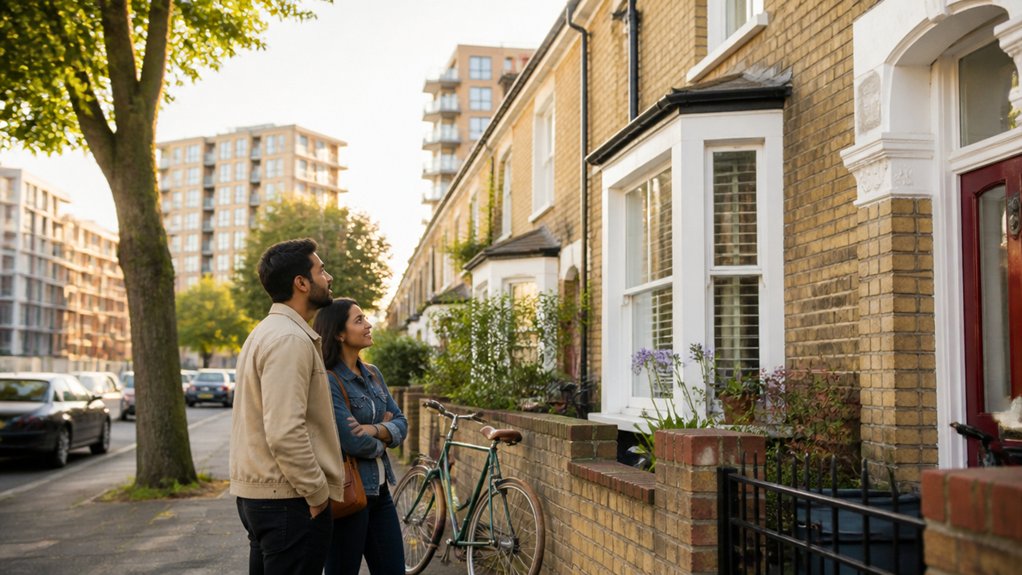
Is Barking a good choice for first-time buyers? You’ll find a lively East London district where historic streets, Victorian terraces, and newer developments sit alongside one another. That mix gives you opportunities to choose character, convenience, or a practical balance of both.
Before committing, inspect period properties carefully: check roof condition, damp, brickwork, windows, and any unauthorised alterations. A surveyor familiar with heritage construction can help you separate manageable restoration from expensive structural work.
Barking also offers strong local amenities, including shops, schools, parks, libraries, and transport connections, helping you settle into daily life without relying entirely on a car.
You’ll notice a genuine community spirit through markets, cultural venues, and neighbourhood events. Visit at different times, speak with residents, and test your commute before deciding whether Barking suits your lifestyle.
How Much Do Homes Cost in Barking?
How much you’ll pay for a home in Barking depends on its location, condition, size, and age. As a first-time buyer, compare asking prices with recently sold properties, then budget for surveys, conveyancing, mortgage fees, and stamp duty.
Period terraces and older cottages may offer character, but original roofs, windows, wiring, or damp can turn an attractive price into an expensive restoration project. Ask a qualified surveyor to assess structural movement, previous alterations, and listed-building or conservation restrictions before you commit.
Newer flats might reduce immediate maintenance, though service charges and sinking-fund contributions affect affordability. Factor in commuting costs, local amenities, and regular expenses alongside the mortgage.
Community events can help you understand everyday life, while careful budgeting leaves room for essential repairs and sympathetic improvements after completion.
Which Barking Areas Offer the Best Value?
You’ll often find the best value in Barking’s more established neighbourhoods, where Victorian terraces and older homes may offer character alongside manageable prices.
Compare property types carefully, as a sound terrace or well-maintained flat can suit your budget better than a costly renovation project.
Check transport links as well as asking prices, since convenient stations can raise values while shaping your daily costs.
Affordable Barking Neighbourhoods
For first-time buyers, Barking’s best value often lies in older streets around Eastbury and Upney, where Victorian and Edwardian homes can offer more space and character than newer developments at comparable prices. You’ll find useful Local amenities nearby, including shops, schools, parks, and transport links, helping you control daily costs.
Eastbury’s historic setting, close to Eastbury Manor House, adds genuine character, while Upney offers quieter residential streets and straightforward journeys into London.
Before committing, walk around at different times and check parking, noise, drainage, and roof condition. Look beyond fresh paint: original brickwork, sash windows, and timber details may reward careful restoration, but listed-building restrictions or major structural repairs can affect your budget.
Compare sold prices locally, then ask residents about Community events and neighbourhood changes before making your offer.
Best Value Property Types
Property type can matter as much as postcode when you’re seeking value in Barking. For a first purchase, compare compact purpose-built flats with older conversion apartments and modest terraced houses.
A flat may offer a lower entry price, but check lease length, service charges, major-works plans, and cladding paperwork.
Older terraces can provide stronger space for money, particularly where kitchens, roofs, or windows need updating. Treat renovation costs as part of the purchase price: inspect damp, movement, wiring, plumbing, and original joinery before you offer.
Properties near Barking’s local history and cultural landmarks may reward careful restoration, but character doesn’t excuse poor maintenance. Look for sound brickwork, repairable timber, and surviving period details rather than expensive cosmetic finishes.
Ask for permissions before altering listed buildings or protected features, and keep a contingency fund for discoveries.
Transport Links and Prices
Transport links can shape Barking’s value as much as the asking price, especially if you’ll commute regularly. Compare homes near Barking station, where Underground, Overground and c2c services offer strong connections, with quieter streets farther east, where prices may be gentler but journeys take longer.
Barking Riverside benefits from the Elizabeth line’s wider network via interchange, while Abbey Wood remains useful for cross-London travel.
Before committing, walk the route at different times and check planned works, parking pressure and service frequency. A period terrace near the station may need careful restoration, yet its convenience can support resale value.
Don’t overlook Local amenities: a reliable shop, school or green space often matters more than a tiny price difference. Community events and well-kept historic streets can also reveal whether an area feels established and welcoming.
How Easy Is the Commute From Barking?

When you’re weighing a period home in Barking, reliable transport links matter as much as its restored features.
You’ll find practical connections into central London, with journey times that can suit daily commuters.
Check your preferred route at peak hours, so commuter convenience matches the character of your prospective home.
Transport Links
For first-time buyers, Barking offers a practical commute with direct links into central London, making it easier to balance an older home’s character with everyday convenience. Barking station connects you with the Underground, National Rail and c2c services, while Overground connections from nearby Barking Riverside broaden your options.
Frequent buses link residential streets with the station, market and surrounding districts, so you won’t need to rely on a car for Community amenities or Local events. Before you commit to a period property, walk your likely route at peak times and check evening services.
Good transport access can support resale value, but noise deserves attention: inspect windows, roof spaces and rear elevations for vibration or traffic sound. Thoughtful secondary glazing and draught-proofing can improve comfort without compromising historic details, helping your restoration work pay off.
Journey Times
Barking makes the daily commute reasonably straightforward: trains to London Fenchurch Street can take around 15–25 minutes, while the District and Hammersmith & City lines offer direct access to central stops such as Tower Hill and Westminster, depending on your destination.
For first-time buyers, check the exact journey from your prospective home rather than relying on station averages. Walk the route at rush hour, allowing time for crossings, platform changes, and occasional delays.
You’ll find Barking’s railway heritage reflected in its established station and surrounding streets, where practical routes often connect older terraces with newer developments.
Your return journey can also shape daily life. It may leave you time to explore Community events, browse local cuisine, or enjoy a restored historic building nearby.
Compare peak and off-peak fares before committing, and test the journey several times before making an offer.
Commuter Convenience
Beyond headline journey times, commuter convenience depends on how smoothly the whole trip fits together. From Barking, you can reach central London by Underground, overground rail, and bus, giving you useful alternatives when delays disrupt your usual route.
Before buying, test the journey at your actual commuting hour, including the walk from a prospective home to the station. Check evening services, interchange times, cycle storage, and accessibility, especially if you’re restoring a period property where a hallway conversion or secure bike space may need careful planning.
Station-area improvements can help, but inspect noise, traffic, and construction impacts personally. A practical location also lets you enjoy Barking’s heritage sites, local cuisine, and community events without sacrificing weekday reliability.
Your best choice balances transport resilience with a home you’ll genuinely enjoy returning to.
What Is Everyday Life Like in Barking?
Daily life in Barking combines practical amenities with a strong sense of local heritage, making it easy to settle into a convenient routine while still feeling connected to the area’s past. You’ll find everyday shopping, cafés, markets, and essential services close to established residential streets.
Explore local cuisine in independent restaurants and food stalls, where familiar favourites sit alongside international dishes. Community events, including markets, festivals, and activities at the abbey and town-centre venues, give you regular ways to meet neighbours and understand Barking’s character.
If you’re viewing an older home, look beyond cosmetic updates: check damp, roof repairs, windows, and evidence of unsympathetic alterations. Preserving original features can add warmth and value, but you’ll need realistic renovation costs.
That balance helps you enjoy the area rather than inherit expensive surprises.
Are Barking’s Schools and Green Spaces Good?
If you’re comparing Barking homes for a growing family, school quality and access to green space should form part of your practical checklist. Review each school’s latest inspection report, admissions criteria and walking route before you commit. Local primary schools can suit young families, while nearby secondary options deserve equally careful research.
You’ll also find green spaces that make everyday life more enjoyable. Barking Park offers lawns, mature trees, a boating lake and room for children to play. Eastbrookend Country Park provides wider skies and wildlife trails. These settings add character, much like a well-preserved period home, and offer useful space for weekend routines.
Check your preferred area for playgrounds, libraries, sports facilities and other local amenities. Community events can strengthen neighbourhood connections, so explore noticeboards and residents’ groups during viewings.
What Are the Main Drawbacks of Barking?
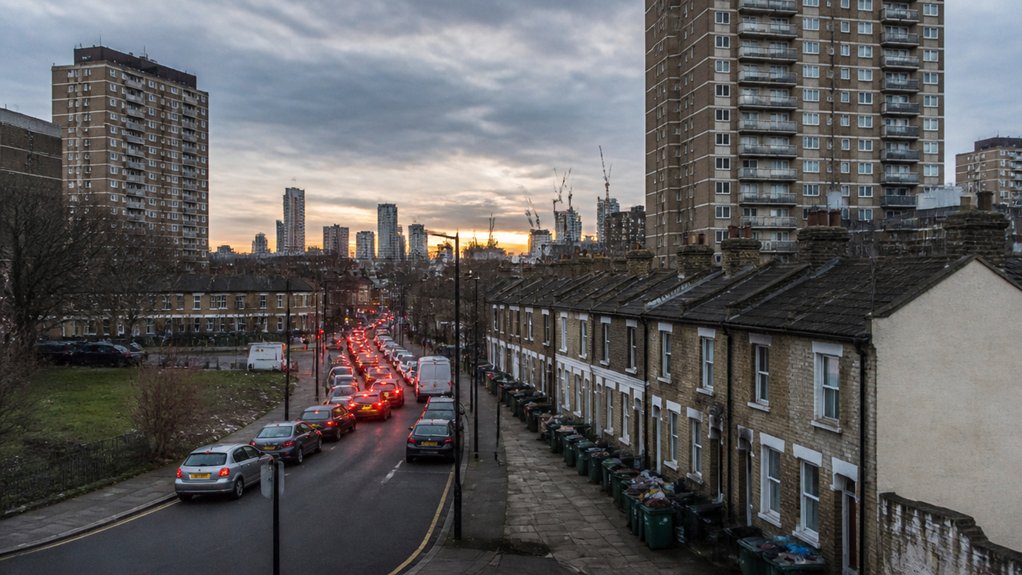
Barking’s main drawbacks include busy roads, pockets of urban noise and marked differences between neighbourhoods, so you’ll need to assess each property and its setting carefully. Traffic can affect air quality, parking and the enjoyment of period terraces, particularly on routes near major junctions.
Before you commit, visit at different times, listen for aircraft or rail noise, and inspect walls and windows for vibration-related cracking or poor sound insulation.
Some streets have limited local amenities, meaning you may rely on buses or walk farther for everyday shopping and services. Community safety can also vary by pocket, so check recent local reports and speak with residents rather than judging an area from one viewing.
Older homes may hide costly repairs, including damp, defective roofs, outdated wiring and unsympathetic alterations. Get a thorough survey and budget for conservation-minded work.
Is Barking Right for Your First Home?
Barking could suit your first home if you value period character, improving transport links and relatively accessible prices, but you’ll need to match the neighbourhood to your lifestyle and repair budget.
Victorian terraces and older cottages can offer generous proportions, yet inspect roofs, damp, timber decay and outdated wiring before you commit. A surveyor familiar with heritage homes can identify costly defects and advise whether alterations need consent.
Consider the Community vibe by visiting at different times, speaking with residents and checking noise, parking and planned developments.
Compare local amenities, including schools, shops, parks, healthcare and transport, rather than relying on a single viewing.
Set aside a contingency fund for restoration, especially where original windows, brickwork or fireplaces require careful repair.
Barking may work well if character, convenience and hands-on ownership appeal.
Conclusion
If you’re buying your first home, Barking can offer a sturdy foundation: historic streets, honest prices, and London connections that keep opportunity close. You’ll find character in older terraces, though some need careful restoration rather than quick cosmetic fixes. Weigh renovation costs, transport, schools, and local surroundings before committing. With patience and practical planning, you can turn a timeworn property into a welcoming home—and share in Barking’s continuing renewal.