
Your historic home may need a little more care than a modern property, and that care can become costly without a clear plan. Start by defining the renovation scope, checking preservation rules, and inspecting for hidden structural repairs. Then price period-appropriate materials and skilled labor, build a detailed budget, and reserve 15–25% for surprises. As you prioritize essential conservation over cosmetic work, one overlooked factor could still reshape your plans.
Key Takeaways
- Define renovation goals and prioritize safety, structural stability, heritage features, and essential conservation before cosmetic improvements.
- Obtain professional inspections and verify historic-designation regulations, permits, grants, tax credits, and required preservation approvals.
- Create a detailed line-item budget covering materials, labor, permits, specialists, architectural fees, shipping, and period-appropriate craftsmanship.
- Set aside 15–25% for concealed damage, scarce materials, permit revisions, and other unforeseen historic-building repairs.
- Track bids, invoices, allowances, and change orders in one spreadsheet, reassessing priorities and costs after every project phase.
Define Your Historic Renovation Scope
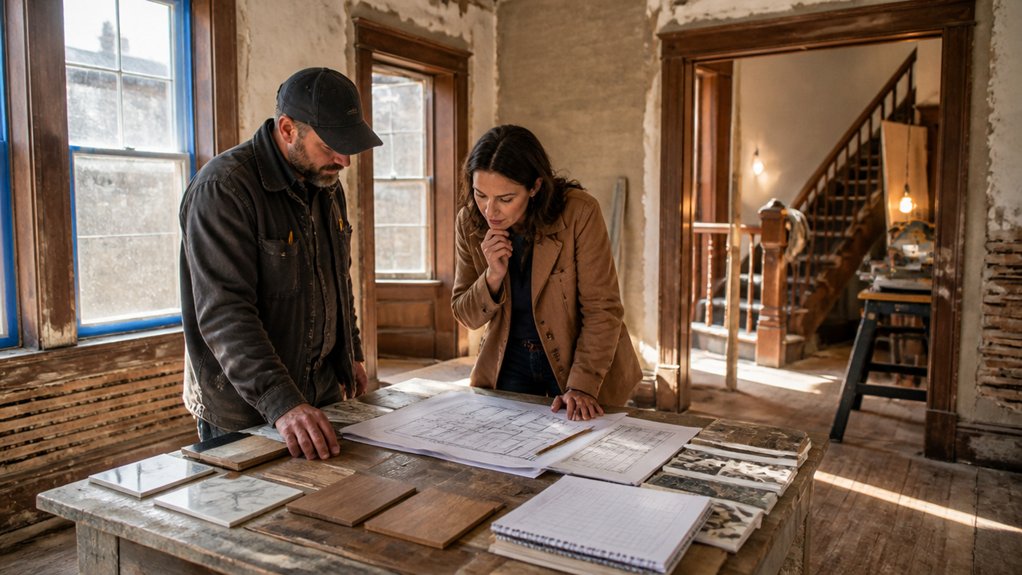
Before setting a budget, define exactly what your historic home renovation must accomplish. Decide whether you’re stabilizing the structure, restoring original details, improving function, or combining these goals.
Walk through each room and record urgent repairs, desirable upgrades, and work you can postpone. Identify character-defining features—windows, trim, masonry, flooring, and built-ins—that deserve preservation before replacement.
Study your home’s Architectural styles so proposed changes support its period character rather than impose modern trends.
Then outline your Interior design priorities, such as updated lighting, efficient storage, or carefully integrated technology.
Separate essential conservation work from cosmetic improvements, and rank each item by safety, durability, heritage value, and cost.
A clear scope helps you avoid paying for incompatible alterations, revise plans intelligently, and reserve funds for unexpected conditions.
Check Local Historic Preservation Rules
Check whether your home’s historic designation triggers specific design requirements before setting your renovation budget. Review permit restrictions for changes to materials, windows, façades, and interiors so unexpected costs don’t arise.
You’ll also want to consult preservation officials early for practical guidance and approval requirements.
Identify Designation Requirements
Find out whether your home carries a local, state, or national historic designation, because each status can affect which materials, exterior changes, and repairs you’re allowed to make—and what they’ll cost. Contact your municipal preservation office, state historic preservation office, or the National Register program to verify the designation and obtain its documentation.
Review the property’s statement of significance, contributing features, and recognized architectural styles. These details help you protect character-defining elements, such as windows, masonry, porches, and rooflines, while avoiding costly assumptions.
Ask whether the designation makes you eligible for preservation grants, tax credits, or low-interest conservation loans. Include matching funds, professional assessments, and historically appropriate materials in your budget.
Understanding the designation early lets you prioritize essential stewardship and plan a financially responsible renovation.
Review Permit Restrictions
Once you’ve confirmed the home’s designation, review the local rules that govern permits and alterations. Historic districts may impose permit restrictions on exterior changes, demolition, additions, windows, siding, roofing, paint colors, and landscaping.
Check whether your project requires design review, building permits, or separate approvals for structural, electrical, and plumbing work. Read zoning regulations carefully, since they can control setbacks, height, lot coverage, parking, and accessory buildings.
These requirements can reshape your scope and budget before you order materials or hire tradespeople. Build time and fees for applications, drawings, inspections, and possible revisions into your financial plan.
Favor repairs that preserve original fabric, because replacing sound features may trigger stricter review and higher costs. Keep written records of requirements, deadlines, and allowable materials as you refine the renovation budget and schedule.
Consult Preservation Officials
Before finalizing your scope, speak with the local historic preservation office or commission about applicable standards and review procedures. Ask which features qualify as historically significant, what documentation reviewers expect, and whether your property lies within a designated district. Early guidance can prevent rejected applications, redesign fees, and construction delays.
Bring photographs, surveys, contractor estimates, and a clear list of proposed repairs. Discuss how modern design elements might fit the home’s character, especially where additions or updated interiors affect visible elevations.
Ask officials about acceptable materials, window replacements, paint colors, and energy efficiency improvements. They may recommend discreet insulation, storm windows, or mechanical upgrades that preserve original fabric.
Request written guidance and confirm review timelines before setting your budget. Include application fees, consultant costs, and a contingency for revisions.
A cooperative conversation helps you protect the property while spending strategically.
Inspect for Hidden Structural Repairs
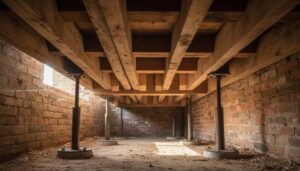
Historic homes often conceal costly structural problems behind plaster, flooring, and decorative finishes, so have a qualified professional inspect the foundation, framing, roof structure, and load-bearing walls before setting your renovation budget.
A thorough foundation inspection can reveal settlement, moisture damage, masonry failure, or unsafe alterations that require immediate attention. Ask the inspector to document hidden structural issues with photographs, locations, urgency ratings, and preliminary repair recommendations.
Include a contingency fund for concealed damage, since opening walls or lifting floors may expose additional problems. Prioritize repairs that protect the building’s stability and historic fabric, rather than replacing sound materials unnecessarily.
You’ll make better conservation decisions when you understand which defects threaten safety, which can wait, and which repairs require engineering approval before work begins.
Price Historic Materials and Skilled Labor

You’ll need to price historic materials carefully, since salvaged brick, period hardware, and matching finishes can cost more than modern substitutes.
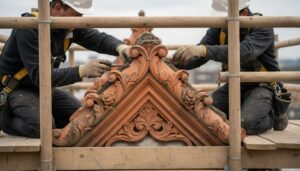
Budget skilled labor rates for tradespeople who understand traditional methods, and allow for specialty craftsmanship such as plasterwork, millwork, or stained glass.
Compare qualified bids, confirm material availability, and protect the features worth preserving.
Historic Material Costs
When pricing a historic renovation, account for the premium attached to period-appropriate materials and skilled tradespeople who understand traditional construction.
Start with a room-by-room inventory, identifying elements you can preserve rather than replace. Reclaimed wood, custom-milled trim, slate, copper, and historically accurate masonry may cost more than modern substitutes, but they protect your home’s character and long-term value.
Include Historic paint, whose compatible pigments and finishes can require specialized sourcing. Vintage fixtures may also demand careful restoration, rewiring, or custom reproduction instead of simple replacement.
Request several material quotes, confirm availability early, and add a contingency for fragile or scarce items.
Prioritize visible, defining features first, then choose durable, sympathetic alternatives for less significant areas.
Document every selection to support conservation decisions and future maintenance.
Skilled Labor Rates
Skilled labor often carries a premium because historic renovations require tradespeople who can read old construction methods, repair rather than replace original fabric, and reproduce details accurately. You’ll pay for experience, careful investigation, and slower, conservation-minded work rather than the speed typical of Modern construction.
Ask candidates to explain their methods, hourly rates, crew size, and allowances for concealed damage. Request references from comparable historic projects, then compare detailed proposals—not just bottom-line totals.
Your Budget allocation should cover site meetings, protection of surviving materials, selective dismantling, and time for approved adjustments.
Don’t automatically choose the lowest bid; an inexperienced crew can cause irreversible damage and expensive rework. Confirm whether estimates include supervision, insurance, permits, and cleanup.
A clear contract and payment schedule will help you control costs while protecting the building’s character.
Specialty Craftsmanship Expenses
Specialty craftsmanship expenses can rise quickly because historic work often requires custom-milled wood, salvaged masonry, hand-finished plaster, period hardware, and tradespeople who know how to use them.
Before approving work, ask your contractor to separate material, fabrication, and installation costs. Compare salvaged pieces with faithful reproductions, but confirm that substitutions won’t compromise the building’s character or code compliance.
Preserve sound original features whenever possible; repair usually costs less and conserves more than replacement.
Request samples of custom finishes and verify that artisan techniques match the home’s period.
Include allowances for hidden damage, shipping, and limited material availability.
You’ll protect your budget by prioritizing visible, historically significant areas first and postponing decorative upgrades.
Document specifications, require clear change-order terms, and reserve 10–15 percent for specialty surprises.
Build a Line-Item Renovation Budget
Once you’ve established the home’s priorities, turn the renovation plan into a line-item budget that protects its historic character and your finances. List each task separately, from masonry repairs and window restoration to electrical work, plumbing, permits, and professional fees.
Record estimated quantities, material costs, labor hours, and taxes so you can compare bids accurately. Separate essential conservation from optional improvements, then rank projects by urgency and historic value.
Include allowances for hard-to-price discoveries, such as concealed damage, without treating them as permission to expand the scope. Research period-appropriate materials and local craft rates before setting figures.
Creative design can help you reuse existing features, while modern updates should respect original proportions, finishes, and circulation.
Review the budget with your architect, contractor, and preservation officials before approving work.
Set a Historic Renovation Contingency
Historic homes require a larger contingency than standard renovations because concealed conditions can affect both safety and preservation. Set aside 15–25% of your construction budget for surprises such as deteriorated framing, hidden moisture, obsolete wiring, lead paint, or fragile plaster.
Older buildings often reveal these problems only after careful opening, so don’t treat your allowance as optional.
Protect historically significant materials before approving replacements. Repairing original windows, trim, masonry, or flooring may cost more initially, yet it can preserve character and support long-term value.
Reserve additional funds for specialist trades, permit revisions, material-matching, and conservation treatments.
If you’re adding modern design features or upgrades for energy efficiency, keep those costs separate from your historic contingency. That separation helps you respond responsibly to discoveries without sacrificing essential preservation work.
Prioritize Projects and Track Spending

Prioritize work that protects the building’s structure, historic fabric, and safety before funding cosmetic upgrades. Address roof leaks, drainage, foundations, electrical hazards, and failing masonry first; then schedule repairs that preserve original windows, plaster, woodwork, and finishes.
Rank each project by urgency, heritage value, cost, and its effect on later work. Create a phase-by-phase budget, noting labor, materials, permits, conservation specialists, and contingency funds. Track every invoice, allowance, change order, and volunteer contribution in one spreadsheet.
Review totals weekly against your estimates, and record why costs shift. A prompt Budget adjustment can prevent small overruns from threatening essential repairs.
Use Timeline management to coordinate trades, inspections, material lead times, and seasonal limitations. Keep a reserve for discoveries, but don’t let desirable upgrades displace necessary conservation.
Reassess priorities after every phase.
Conclusion
A realistic historic renovation budget protects both your home’s character and your financial future. Define the work, confirm preservation rules, uncover structural risks, and price authentic materials and skilled labor before construction begins. Itemize every cost, reserve 15–25% for surprises, and track spending as decisions evolve. Prioritize safety, stability, and conservation before cosmetic upgrades. When you plan carefully, spend thoughtfully, and preserve intentionally, you’ll create a lasting home without sacrificing its heritage or your peace of mind.