
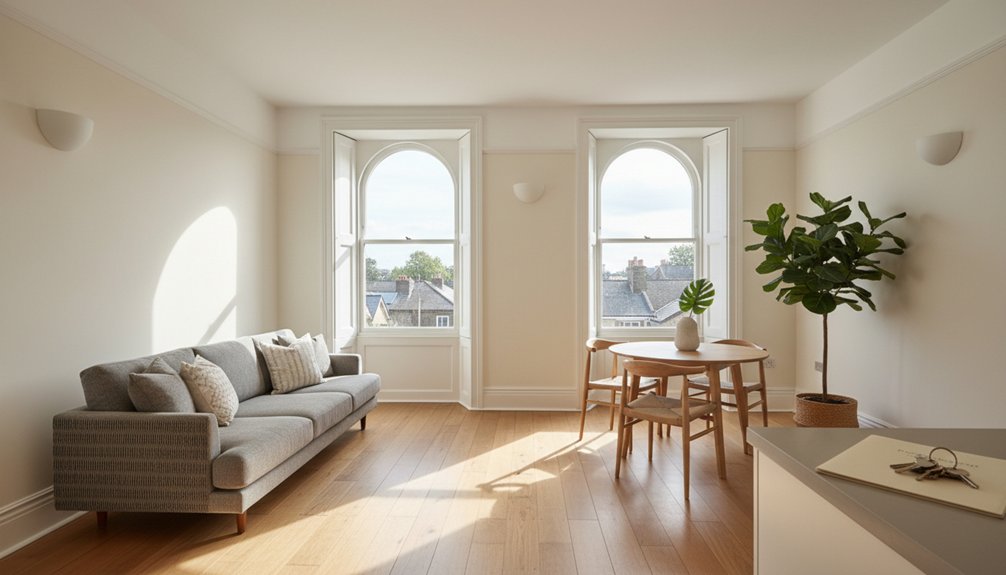
With trains reaching London Bridge in roughly 30 minutes, Plumstead offers a practical base shaped by Victorian terraces, historic streets, and a strong local community. Before you rent, compare property types, rents, transport links, schools, parks, and everyday amenities, while checking safety and neighbourhood character at different times. A careful inspection and clear tenancy agreement can prevent costly surprises—but several details about commuting, condition, and extra expenses deserve closer attention.
Key Takeaways
- Compare rents, deposits, bills, and other fees, as prices vary by property type, condition, location, and transport access.
- Choose between Victorian terraces, converted flats, purpose-built apartments, and modern homes based on space, character, insulation, and maintenance needs.
- Check commuting options from Plumstead and Woolwich Arsenal, including rail, Elizabeth line, DLR, buses, cycling, and peak-time journey reliability.
- Research nearby schools, childcare, shops, parks, libraries, healthcare services, and neighbourhood safety before choosing a property.
- Inspect the property thoroughly, document defects and meter readings, verify certificates and deposit protection, and clarify repairs and tenancy terms.
What Are the Pros and Cons of Renting in Plumstead?
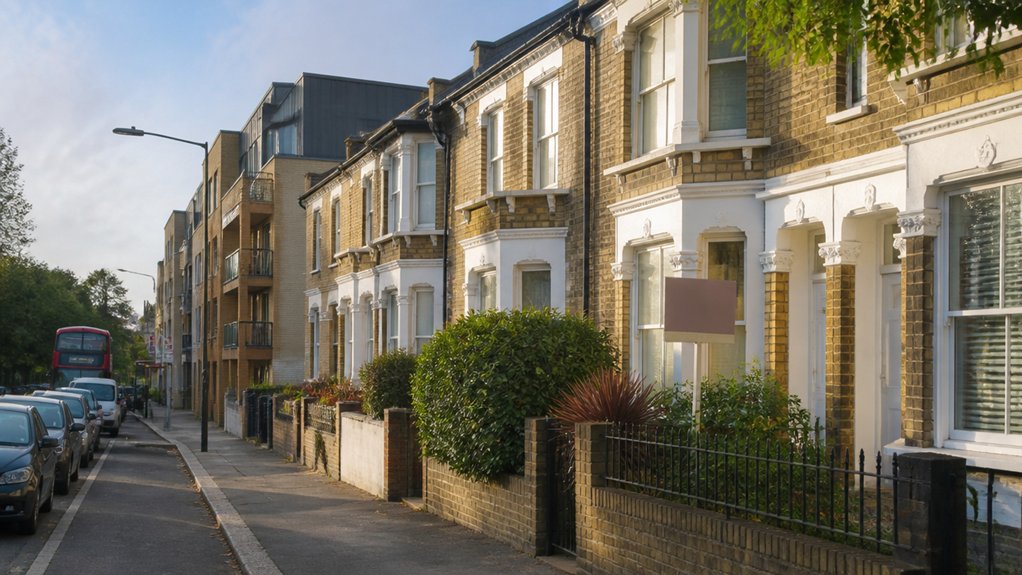
Renting in Plumstead gives you access to a well-connected south-east London community with a strong local identity, from Plumstead High Street and its independent businesses to nearby Woolwich Arsenal’s historic riverside setting.
You’ll find useful transport links, green spaces such as Plumstead Common, and a varied mix of Victorian terraces and newer homes.
Community events, local markets, and historic landmarks can help you settle in and understand the area’s character.
However, some streets differ noticeably in upkeep, parking can prove difficult, and busy routes may create noise.
Older properties might also need closer checks for insulation, damp, or heating efficiency.
Before signing, review Rental regulations, your tenancy agreement, repair responsibilities, and deposit protection requirements.
You’ll benefit most by inspecting the property carefully and researching its immediate surroundings.
How Much Does Renting in Plumstead Cost?
You’ll find that Plumstead’s average rents vary by property type, from compact flats to larger homes near its historic village streets.
Your final cost depends on location, size, condition, transport links, and included bills.
Comparing current listings will help you set a realistic budget for life in this established south-east London neighbourhood.
Average Rental Prices
What does it cost to rent in Plumstead? You’ll usually find one-bedroom flats around £1,300–£1,550 per month, while two-bedroom homes commonly sit near £1,650–£2,000. Three-bedroom houses often range from £2,100–£2,600, depending on size and presentation. These figures give you a practical starting point when comparing listings, but check whether advertised rent includes furnishings or parking.
Plumstead’s Victorian terraces and converted homes can offer character alongside modern interiors, making them appealing if you value heritage details. Before choosing a property, map its distance from the station, shops, and everyday services.
You’ll also find plenty of value in the surrounding area, from historical landmarks to local cuisine, without paying central-London prices. Review several current listings, note the weekly equivalent, and set a realistic monthly limit before arranging viewings.
Factors Affecting Costs
Several factors can shift Plumstead rents beyond the basic bedroom count. You’ll usually pay more for a renovated Victorian terrace, original fireplaces, high ceilings, or a carefully restored period façade.
Location matters too: homes near Plumstead station, bus routes, green spaces, and respected schools often command a premium, while busy roads may reduce the price.
Energy efficiency affects your monthly budget; older properties with draughty windows or outdated boilers can cost more to heat.
Check whether council tax, water, broadband, or parking forms part of the rent.
Your cost considerations should also include the deposit, holding fee, moving expenses, and insurance.
Clarify landlord responsibilities for repairs, heating systems, and structural maintenance before signing.
Ask about planned works, service charges, and rent-review terms, then compare the complete monthly cost.
What Rental Properties Are Available in Plumstead?
Plumstead’s rental market includes Victorian terraces, converted flats, purpose-built apartments and modern homes, giving you options across different budgets and lifestyles. You’ll find period terraces with high ceilings, fireplaces and original details, although some have been modernised with open-plan kitchens and energy upgrades.
Converted flats often occupy historic buildings, so check soundproofing, communal areas and storage before signing. Purpose-built apartments may offer balconies, lifts or secure entry, while newer houses typically provide better insulation and practical layouts.
Compare room sizes, natural light, heating systems and outdoor space rather than relying on photographs. Ask who handles repairs, inspections and emergencies, and review the landlord’s Property management arrangements.
You should also confirm that the tenancy, deposit protection and safety certificates meet current Rental regulations before committing.
How Easy Is Commuting From Plumstead?
From Plumstead, you’ll find practical transport links by rail, bus and road, connecting you with central London and nearby heritage districts.
Check journey times from your exact street, as services and routes vary.
For local travel, you can use buses, trains, cycling routes and short walks to reach shops, schools and community facilities.
Transport Links
With Elizabethan and Victorian streets around Plumstead station, you can reach central London by Southeastern train in roughly 30 minutes to London Bridge.
Woolwich Arsenal offers DLR and Elizabeth line connections for journeys across east and central London. These public transport links give you practical commute options without losing Plumstead’s historic character.
You can walk to Plumstead station from nearby Victorian terraces, although check local bus routes if you’re renting farther south or uphill. Buses connect the district with Woolwich, Abbey Wood, Charlton and Greenwich, making everyday travel flexible when rail services change.
You’ll also find cycle routes towards the Thames Path and Woolwich, useful for shorter journeys.
Before signing a tenancy, check your walking route, station access, and first or last service times.
Journey Times
Those connections make commuting from Plumstead fairly straightforward, but your exact journey time depends on where you rent and which station you use.
From Plumstead station, you can reach London Bridge in roughly 25 minutes, making City offices and Borough Market’s local cuisine accessible without an exhausting trek. Trains to Cannon Street typically take around 30 minutes, while journeys towards Charing Cross may take longer and require a change.
Add walking time from your home, station waiting time, and occasional delays before planning your daily schedule. If you work in Canary Wharf or elsewhere east of central London, check the complete route and peak timetable rather than relying on headline timings.
You’ll also find that community events and Plumstead’s historic streets reward choosing a home near your preferred station.
Local Travel Options
How easy is it to get around Plumstead without relying on a car? Quite easily, provided you check routes before signing a tenancy. Public transport connects you with Woolwich, Greenwich, Abbey Wood and central London.
Plumstead station offers Southeastern services, while nearby Elizabeth line stations, including Woolwich and Abbey Wood, can shorten longer journeys. Buses cover local streets and provide useful links when trains are disrupted, though evening frequencies vary.
You’ll also find practical walking routes along the High Street, residential roads and paths towards Plumstead Common. The area’s Victorian terraces, historic churches and old market streets make short journeys more interesting, but pavements can become busy at peak times.
If you cycle, inspect secure storage at your prospective home and plan around main-road traffic. Check Transport for London updates before commuting, especially during engineering works and weekends.
Which Amenities Make Plumstead Convenient?
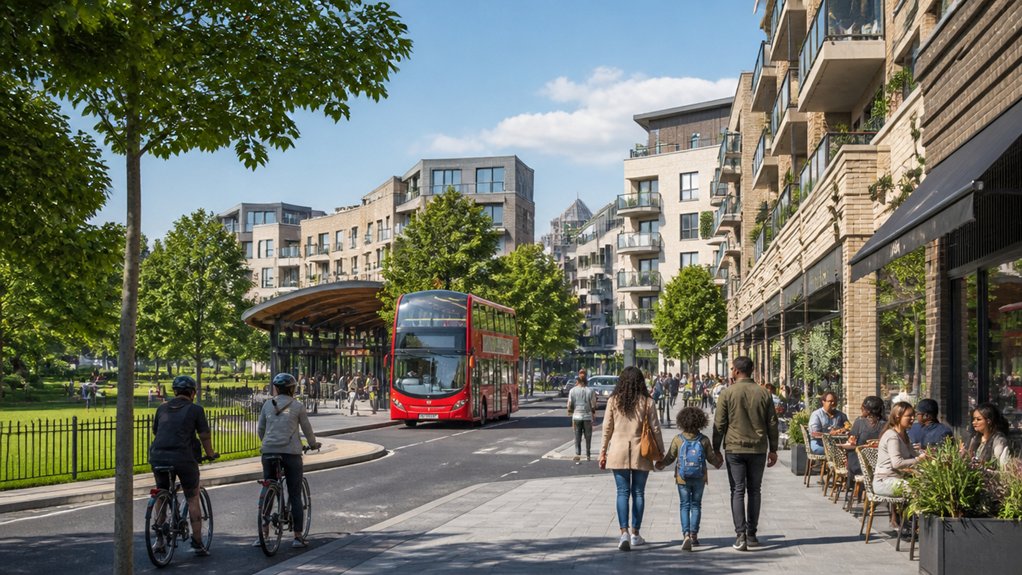
Which amenities make Plumstead convenient? You’ll find everyday essentials close to home, including independent shops, supermarkets, pharmacies, cafés, and takeaways along Plumstead High Street.
A local library gives you a practical place to borrow books, use computers, and join activities, while nearby schools and childcare services can simplify family routines.
Plumstead’s historic character adds useful destinations: you can explore Local landmarks such as Plumstead Manor and the remains of Lesnes Abbey, both offering a stronger sense of the area’s heritage.
Parks and open spaces provide room for walking, play, and relaxed afternoons without travelling far.
Check each rental’s distance from these facilities, opening hours, and accessibility before signing.
Community events, markets, and gatherings also help you connect with established neighbourhood traditions and discover independent businesses.
How Safe Is Plumstead for Tenants?
Convenient amenities matter, but safety should also shape your choice of rental in Plumstead. You’ll find a mixed suburban area where established streets, Victorian homes, and busy high roads create different evening experiences.
Walk your likely route after dark, noting lighting, visibility, traffic, and how comfortably you reach the station or bus stops. Check windows, door locks, entry systems, rear access, and communal lighting before signing a tenancy.
Ask the landlord or agent about recent incidents, repairs, and secure cycle or parking arrangements, then compare local police updates with residents’ observations.
Community safety often benefits from active neighbourhood groups, visible patrols, and neighbours who know the area’s heritage streets well.
Local amenities can improve natural surveillance, but busy centres may also attract occasional antisocial behaviour.
Trust your practical impressions, not marketing alone.
What Are the School Options for Plumstead Renters?
When you’re renting in Plumstead, school access depends as much on the exact street and transport links as on the school’s reputation. You’ll find primary and secondary options around Plumstead, Shooters Hill, Abbey Wood, and nearby Woolwich, with local bus routes and rail connections shaping the daily journey.
Check each school’s admissions criteria, catchment boundaries, and latest Ofsted reports rather than relying solely on School ratings. Plumstead’s historic streets sit close to established schools, while newer developments may place you nearer different options.
Compare sixth-form provision if your children are older, and look for extracurricular activities that match their interests, from sport to music and clubs.
Independent schools and grammar options farther afield may widen your choice, but you’ll need to factor in fees, travel time, and application deadlines when planning.
What Should You Check Before Renting in Plumstead?
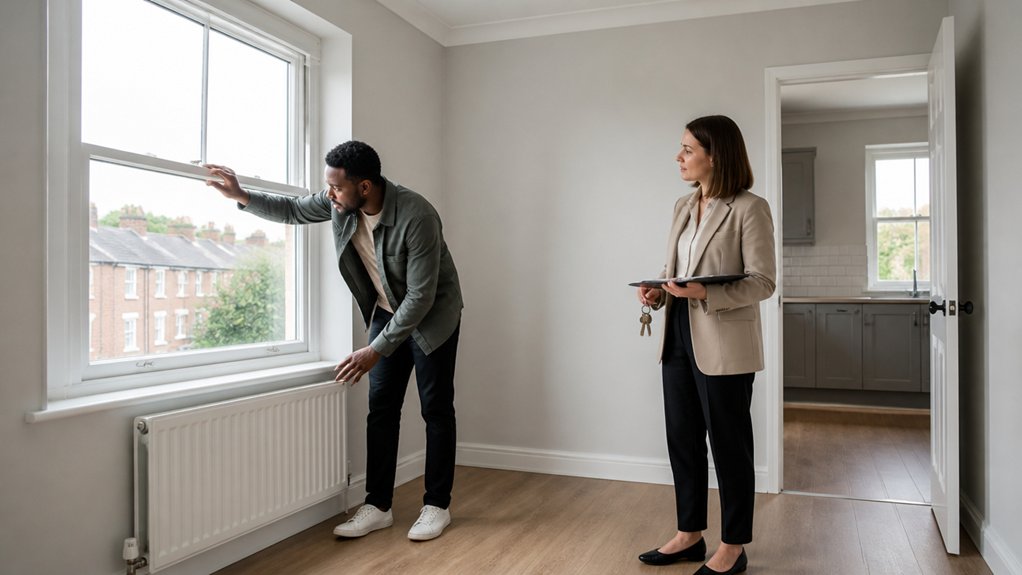
After comparing local school options, inspect the rental itself and its immediate surroundings before signing a tenancy. Check walls, windows, rooflines, and fireplaces for damp, cracks, draughts, or altered heritage features.
Test taps, heating, sockets, appliances, locks, and smoke alarms; photograph every defect and record meter readings. Ask who maintains gardens, shared paths, drains, and historic boundary walls.
Walk the local neighborhood at different times, noting traffic, parking, lighting, noise, and access to stations, shops, and green spaces. Confirm the landlord’s identity, deposit protection, energy certificate, and written inventory.
Read rental regulations and your tenancy agreement carefully, especially clauses covering repairs, decorating, pets, subletting, and notice periods. Before paying, verify permitted fees and request written confirmation of promised work.
A careful inspection protects your budget and Plumstead’s character.
Conclusion
Renting in Plumstead can open the door to a community where Victorian terraces, green spaces, and well-used transport routes shape everyday life. Before signing, compare rents, inspect every room, check safety measures, and calculate travel and household costs. Visit at different times to understand the neighbourhood’s rhythm. Review your tenancy agreement carefully, record existing wear, and ask about schools, amenities, and repairs. With thoughtful preparation, you’ll find a home that balances character, convenience, and value.