

Is Tottenham the right balance of London energy and everyday practicality for you? You’ll find Victorian terraces beside modern flats, lively markets near historic landmarks, and a multicultural food scene shaped by generations of residents. With the Victoria line and Overground, you can reach central areas without paying central rents, though safety, noise, and street-by-street character vary. Before you decide, it’s worth weighing which parts of Tottenham best match your budget, routine, and social life.
Key Takeaways
- Tottenham offers diverse housing, from Victorian terraces to modern apartments, often at better value than many inner-London neighborhoods.
- Excellent transport links, including the Victoria line and Overground, provide quick access to central London and Stansted Airport.
- A multicultural food scene, lively markets, music venues, festivals, and creative spaces create abundant social and cultural opportunities.
- Areas such as Tottenham Hale, Seven Sisters, Bruce Grove, and South Tottenham suit different lifestyles and professional preferences.
- Young professionals should consider peak-hour crowds, variable street conditions, and older homes’ potentially higher maintenance and energy costs.
Is Tottenham a Good Place for Young Professionals?
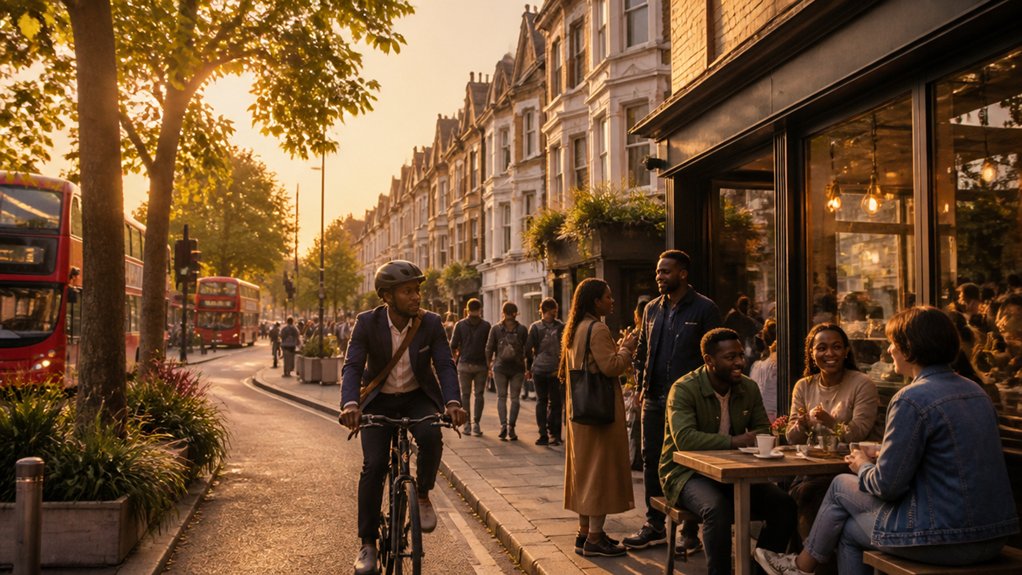
Tottenham can be a good place for young professionals who want more space, character, and value than central London usually offers. You’ll find Victorian terraces, converted warehouses, and newer flats alongside landmarks that reflect the area’s changing identity.
Local history gives Tottenham a distinctive atmosphere, from Bruce Castle’s Tudor origins to the former industrial sites along the River Lea.
Transport links, including several Underground and Overground stations, can make commuting across London straightforward, though you should compare routes and peak-time costs before choosing a home.
Housing varies considerably by street, so inspect properties carefully for maintenance, insulation, and outdoor space.
Community events, independent businesses, and local cultural venues can help you build connections.
If you value character and improving amenities, Tottenham deserves serious consideration as a practical London base.
What’s Everyday Life Like in Tottenham?
Daily life feels varied and community-led, with historic streets, independent shops, cafés, markets, and green spaces shaping the neighbourhood’s character.
You can explore Bruce Grove’s Victorian architecture, follow heritage trails around Tottenham High Road, or spend an afternoon at Bruce Castle, whose museum explains the area’s past.
Local markets bring fresh produce, street food, crafts, and conversation to regular shopping trips, while independent cafés provide relaxed places to work or meet friends.
You’ll also notice street art on walls, shutters, and railway arches, reflecting Tottenham’s creative identity.
Parks such as Downhills and Lordship Recreation Ground give you room to walk, exercise, or picnic.
Everyday travel often feels sociable: you’ll encounter familiar faces, busy high streets, community events, and a strong mix of long-established residents and newer arrivals.
Tottenham Living Costs and Typical Rents
Although costs vary by street and property type, renting in Tottenham can offer better value than many inner-London neighbourhoods. You’ll usually find roomier Victorian terraces, converted flats, and modern apartments at rents below central-London levels, though prices rise for new-builds and homes near major transport links.
Compare advertised rent with council tax, energy, broadband, and any service charges before signing.
Your budget can stretch further when you use independent shops, markets, cafés, and other Local amenities along Tottenham High Road and nearby streets.
Transport costs still matter, so factor in regular fares when judging affordability.
Affordable housing options include house shares, compact studios, and older properties with fewer facilities; check insulation, heating systems, and maintenance records carefully.
Historic homes often have characterful details, but period windows and ageing boilers can increase winter bills, so ask precise questions during viewings.
Which Tottenham Areas Suit Young Professionals?
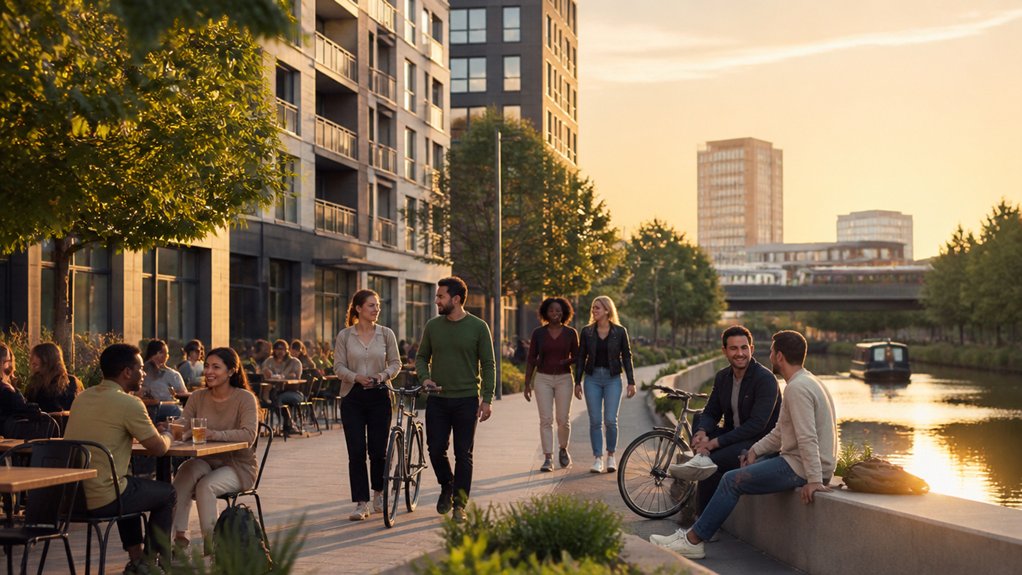
When choosing where to live, you’ll find that Tottenham’s neighbourhoods offer distinct advantages for young professionals. Tottenham Hale suits you if you prefer modern apartments, waterside walks, and a developing cultural scene. You’ll find cafés, independent shops, and broad views around the reservoirs, creating a lively yet spacious setting.
For stronger local character, consider Bruce Grove. Period terraces, family-run businesses, and historical landmarks such as Bruce Castle give this area a distinctly rooted identity. You can explore exhibitions, community events, and nearby green spaces while enjoying a more established neighbourhood atmosphere.
Seven Sisters offers the greatest variety, with restaurants, markets, music venues, and Victorian architecture around West Green Road. If you value quieter streets, South Tottenham provides attractive conversions, pocket parks, and a growing selection of creative businesses. Examine each area’s housing condition and evening atmosphere before deciding.
How Easy Is Commuting From Tottenham?
You’ll find strong transport links across Tottenham, from Overground stations to well-served bus routes that connect historic neighbourhoods with central London.
During peak times, you should allow extra time for crowded platforms, road traffic, and changes between services.
Check your regular route before choosing a home, as small differences between stations can affect your daily journey.
Transport Links
Tottenham offers young professionals practical transport links without losing its historic North London character. You can use Seven Sisters station for Victoria line services, Overground trains, and convenient interchange with National Rail.
Tottenham Hale adds Victoria line access and direct trains towards Stansted Airport, while Bruce Grove, White Hart Lane, and Northumberland Park provide useful local stations.
Public transport connects you with central London, Stratford, and neighbouring districts, so you can choose routes around work, study, or leisure.
Buses run along High Road and link residential streets with Finsbury Park and Wood Green.
You’ll also find cycling infrastructure improving along the River Lea and key corridors, with quieter streets offering alternatives.
Historic landmarks, including Bruce Castle and Tottenham High Cross, remain easy to reach without a car.
Peak-Time Travel
Peak-time commuting from Tottenham is generally straightforward, though trains and platforms become busiest between 7:30 and 9:00am. If you’re heading into central London, you can use Seven Sisters for the Victoria line, Tottenham Hale for the Victoria line and National Rail, or Bruce Grove and White Hart Lane for the London Overground.
During rush hour, services run frequently, but you should allow extra time for crowded carriages, queues, and occasional delays. Tottenham’s historic railway routes still shape daily movement, linking established neighbourhoods with newer developments around Tottenham Hale.
You’ll usually reach Oxford Circus in about 20 minutes from Seven Sisters, while Liverpool Street takes roughly 25 minutes from Tottenham Hale. For peak time travel, check live departures, travel light, and avoid changing trains unnecessarily.
Cycling or walking to your station can also ease the morning pressure.
How Safe and Connected Is Tottenham?
How easily can you get around, and how secure will your routine feel? Tottenham gives you strong everyday connections without losing its historic character. Seven Sisters, Tottenham Hale, and Northumberland Park stations link you with central London, while frequent buses cover routes along the High Road.
You’ll also find cycle lanes and quieter residential streets, though traffic can feel intense at busy junctions.
For safety, you’ll benefit from active high streets, improved lighting, and visible transport hubs, but you should still use normal London awareness after dark. Check your route, keep valuables out of sight, and choose well-used streets.
Community diversity shapes the area’s welcoming identity, while local amenities, including supermarkets, pharmacies, libraries, and health centres, keep essential errands close. Historic churches, terraces, and landmarks add familiarity to your daily surroundings.
What’s Tottenham’s Social Life Like?
With pubs, cafés, music venues, and community events spread along the High Road and around Seven Sisters, you’ll find a social scene that feels lively without being dominated by nightlife.
Local nightlife ranges from traditional pubs in converted historic buildings to independent venues hosting live music, comedy, and DJ sets. You can catch performances at the historic Bernie Grant Arts Centre, while nearby parks and community spaces provide calmer ways to meet neighbours.
Community events often celebrate Tottenham’s cultural diversity through markets, workshops, football activities, and seasonal festivals.
The area’s heritage remains visible in its Victorian streets, former industrial sites, and long-established local institutions, giving socialising a strong sense of place.
You won’t need to travel into central London for variety, although transport links make bigger nights out straightforward.
Where Are Tottenham’s Best Cafés and Restaurants?
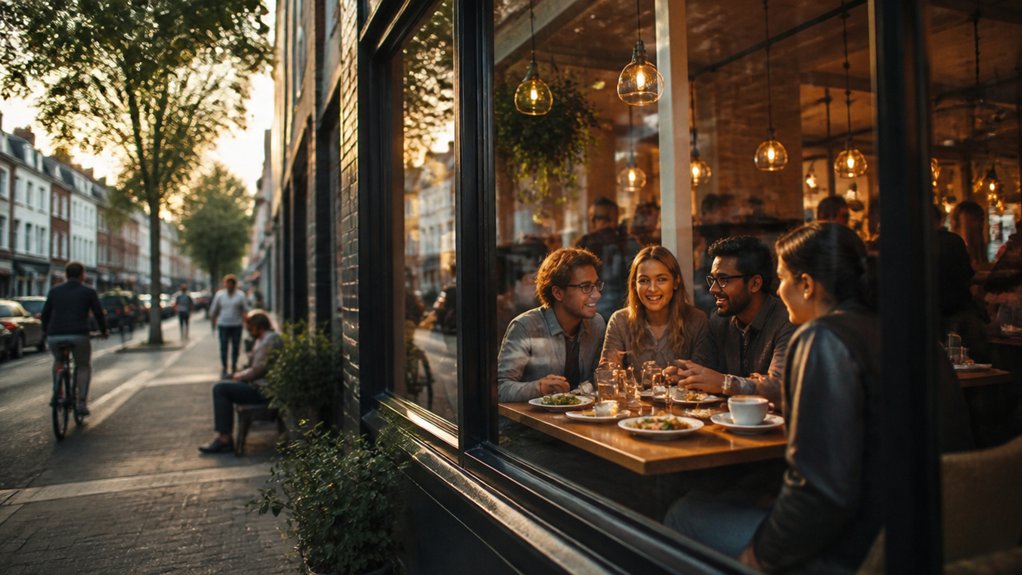
Tottenham’s café and restaurant scene reflects its diverse communities and long local history, particularly along the High Road, West Green Road, and around Seven Sisters. You’ll find independent cafés serving carefully made coffee, Turkish breakfasts, Caribbean dishes, and modern vegetarian plates.
West Green Road is especially useful for relaxed meals, with family-run restaurants and bakeries reflecting the area’s international character.
Around Seven Sisters, markets and small eateries create lively dining hotspots, while Bruce Grove offers further choices in converted shops and long-established premises.
For a quieter setting, head towards Lordship Lane or Tottenham Green, where cafés provide outdoor tables and workspace-friendly interiors.
You’ll also discover local food traditions at weekend markets and community events. Check opening hours, booking policies, and menus before travelling, as smaller venues often operate limited schedules.
Who Will Enjoy Living in Tottenham Most?
Tottenham suits young professionals who value variety, community, and easy access to central London without giving up local character. You’ll enjoy living here if you want a neighbourhood with a strong identity rather than a polished, uniform centre.
History-minded residents can explore Bruce Castle, Tottenham High Cross, and preserved streets that reveal the area’s development. Historical landmarks sit alongside independent cafés, creative studios, markets, and green spaces, giving you plenty to do beyond work.
You’ll also fit in if you like meeting neighbours and supporting local businesses. Local festivals, including cultural celebrations and community events, create regular opportunities to connect.
Renters seeking more space may appreciate the mix of Victorian terraces, mansion blocks, and modern apartments. However, you should welcome lively streets and varied surroundings, as Tottenham’s character feels energetic, diverse, and constantly evolving.
Conclusion
Tottenham can be an excellent fit if you’re a young professional seeking character, connectivity, and comparatively good value. You’ll find Victorian terraces, creative spaces, multicultural cafés, and welcoming community life alongside convenient Victoria line and Overground links. Rents and safety vary by pocket, so explore streets at different times before committing. If you value heritage, social energy, and quick access to central London, Tottenham could be the stepping stone that helps your lifestyle flourish.