
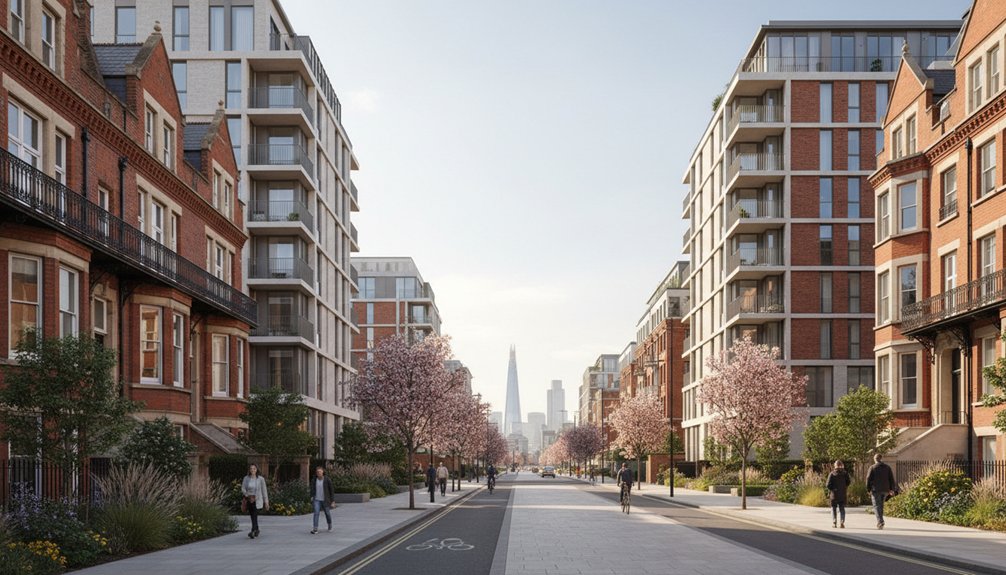
Could Croydon be the well-connected, characterful compromise you’ve been seeking? This year, you’ll find Victorian terraces, modern flats and larger homes across neighbourhoods with distinct identities, often offering more space than inner London for your budget. Strong transport links, green spaces and ongoing regeneration add practical appeal, while period properties may reward careful renovation. Yet prices, commute times and local prospects vary considerably—so the right choice depends on what you value most.
Key Takeaways
- More affordable property options include period terraces, flats, maisonettes, and semi-detached homes with renovation potential.
- Fast trains from East Croydon reach London Bridge and Victoria in approximately 15–20 minutes.
- Diverse neighbourhoods offer leafy streets, independent cafés, green spaces, schools, and strong community appeal.
- Regeneration is bringing new homes, amenities, public spaces, and improved infrastructure to the borough.
- Period architecture, generous room proportions, and garden or extension opportunities support long-term investment potential.
Is Croydon a Good Place to Buy This Year?

If you’re considering a move this year, Croydon offers a compelling balance of heritage, connectivity, and renovation potential. You’ll find Victorian terraces, period conversions, and characterful family homes alongside newer developments, giving you plenty of scope to match a property to your plans.
Strong rail links, green spaces, independent businesses, and improving town-centre amenities support everyday living, while proximity to London keeps the area practical for commuters.
Review local market trends carefully, because property price fluctuations can create opportunities for buyers who act selectively and negotiate confidently.
Rather than chasing cosmetic perfection, you can target homes with sound proportions, original features, or adaptable layouts, then improve them in stages.
Local conservation considerations matter, so check permissions before altering façades, windows, roofs, or historic interiors.
That approach can turn Croydon’s character into lasting value.
What Do Croydon Homes Cost?
Croydon home prices vary widely by neighbourhood, property type, condition, and proximity to transport, so you’ll find everything from competitively priced flats to substantial period houses.
You’ll generally pay more for restored Victorian terraces in areas such as South Croydon or Sanderstead, while maisonettes and homes needing modernisation can offer a lower entry point.
Carefully assess survey findings, lease length, service charges, and potential renovation costs before comparing asking prices.
Heritage details—such as cornicing, fireplaces, and original timber—can add appeal, but older properties may require rewiring, damp treatment, or roof work.
Market trends can shift between neighbourhoods, so local sold-price evidence matters more than optimistic listings.
If you improve a tired home thoughtfully, you may support long-term Property appreciation while creating a characterful, energy-efficient place that suits your budget.
How Fast Is the Commute to Central London?
From Croydon, you’ll find fast train connections into Central London, often making the commute surprisingly straightforward. Peak-time journeys can be around 15–25 minutes, depending on your station and destination.
That access lets you enjoy Croydon’s heritage homes and renovation potential without giving up a practical city connection.
Fast Train Connections
How quickly can you reach central London from Croydon? With direct trains from East Croydon, you can arrive at London Bridge in roughly 15 minutes, while services to Victoria take about 20 minutes. St Pancras International is also accessible by changing at London Bridge or Blackfriars, giving you practical links for work, culture, and travel beyond the capital.
Croydon’s rail infrastructure supports genuine travel convenience without disconnecting you from its character. You might restore a Victorian terrace near South Croydon, then reach central London before your coffee goes cold.
Fast services from West Croydon and Norwood Junction add further options, connecting you with the Overground and wider networks. For buyers balancing period features, renovation potential, and city access, these links make Croydon feel both rooted and remarkably well connected.
Peak-Time Journey Durations
During the morning rush, you can usually reach London Bridge in around 15 minutes from East Croydon, with Victoria taking approximately 20 minutes. That reliable commute time helps you plan renovations, school runs, and viewings without sacrificing your mornings.
Trains often run frequently, though you should check current timetables before committing to a property or scheduling tradespeople. You’ll also find that peak services vary by route and station, so a short trial journey can reveal crowding, platform changes, and realistic door-to-door timing.
For buyers weighing period terraces against newer flats, this travel efficiency can strengthen Croydon’s practical appeal. You can enjoy characterful homes, generous proportions, and local heritage while keeping weekday travel manageable.
Build a little contingency into winter journeys, when delays may affect even well-planned routines.
Central London Access
If central London features in your weekly routine, Croydon offers a practical blend of speed and choice. From East Croydon, fast trains can reach London Bridge in roughly 15 minutes, while services to Victoria often take around 16 minutes. You can also connect through Clapham Junction, Blackfriars, or Farringdon, giving you useful routes for work, culture, and travel.
That accessibility helps explain Croydon’s appeal to buyers seeking more space without abandoning London convenience. You might choose a renovated Victorian terrace near the station, a period conversion with original details, or modern Luxury apartments within newer developments.
At weekends, the same network makes it easy to explore central galleries and theatres before returning to local historic landmarks, including Croydon Minster and the former Palace site. Check current timetables, but expect frequent services and practical flexibility for your routine.
Which Croydon Neighbourhood Suits You?

From Victorian terraces and conservation areas to modern flats near East Croydon, Croydon’s neighbourhoods offer distinct settings for different lifestyles and renovation plans. Choose South Croydon if you want leafy streets, period details, and independent cafés within easy reach.
In Old Town, you’ll find characterful homes, green spaces, and a strong community feel, while nearby Waddon suits you if practical transport links and riverside walks matter.
Crystal Palace borders Croydon with creative energy, local dining, and a lively village atmosphere.
For a quieter setting, consider Shirley, where larger gardens and established trees create scope for thoughtful extensions, subject to planning rules.
Check conservation-area guidance before altering historic features, and explore community events to understand each neighbourhood’s character.
Your ideal location should match your daily routines, restoration ambitions, and preferred pace of life.
What Type of Home Can You Afford?
Your budget in Croydon will determine whether you’re best suited to a period terrace, a compact flat, or a larger semi-detached home with renovation potential. Start by calculating your deposit, mortgage limit, survey costs, and funds for improvements.
Victorian and Edwardian terraces can offer character through fireplaces, cornicing, and bay windows, though outdated wiring, roofs, or kitchens may affect the true price.
A flat could provide more affordable pricing, particularly if you’re willing to accept service charges, leasehold restrictions, and less scope for structural alteration.
If your budget stretches further, a semi-detached house might deliver gardens, generous rooms, and an opportunity to restore original details while modernising sensitively.
Compare property types by total ownership cost, not just asking price, and allow a contingency for surprises behind the plaster.
Are Croydon’s Shops, Parks and Schools Good?
Croydon gives you a practical mix of shops, green spaces, and schools, with each neighbourhood offering a slightly different daily rhythm.
For Local shopping, you can browse independent traders in Croydon town centre, find essentials in suburban parades, and enjoy established markets that add character to older streets.
If you’re choosing a period home, check how easily you can reach groceries, cafés, and services on foot before committing to a renovation.
Green spaces also support everyday life. Wandle Park, Lloyd Park, and South Norwood Country Park offer varied park amenities, from play areas and sports facilities to woodland walks and open lawns.
Schools differ by catchment and phase, so you’ll need to inspect recent performance, admissions rules, and travel routes.
That practical research helps you match heritage character with daily convenience.
What Will Croydon’s Regeneration Change?
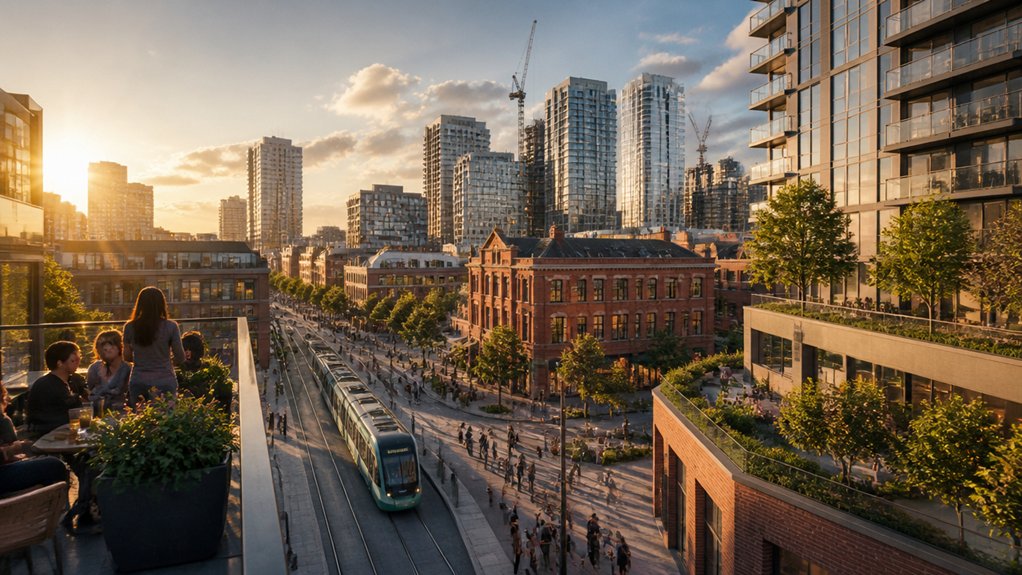
Croydon’s regeneration could make your commute easier, with improved transport connections linking historic neighbourhoods to London and beyond.
You’ll also see new homes and amenities alongside the careful renewal of older buildings.
For buyers, that mix may strengthen everyday convenience while preserving the borough’s distinctive character.
Improved Transport Connections
As regeneration gathers pace, better transport connections are making it easier to reach central London and neighbouring districts from Croydon. You’ll benefit from frequent trains through East Croydon, while tram links connect you with Wimbledon, Beckenham and surrounding neighbourhoods.
Improved bus routes and upgraded interchanges should make daily journeys more reliable, whether you’re commuting, visiting independent shops or exploring historic areas such as Old Town.
This infrastructure development also supports practical renovation decisions: you can consider a period terrace or converted Victorian property without sacrificing access to work and culture.
Public transport improvements may strengthen buyer demand, particularly around established stations. As the borough modernises sensitively, you’ll gain convenience while retaining Croydon’s architectural character, from grand civic buildings to distinctive heritage streets.
Always check proposed works and travel times before committing.
New Homes And Amenities
Better transport is being matched by new homes, public spaces and everyday amenities, giving buyers more choice without losing sight of Croydon’s established character. Regeneration is adding well-designed apartments around the town centre, while respecting Victorian terraces, historic facades and the borough’s distinctive neighbourhoods.
You’ll find modern apartment trends such as energy-efficient layouts, balconies, co-working areas and landscaped communal spaces, appealing to first-time buyers and downsizers alike. Alongside these schemes, local amenities development is bringing cafés, shops, cultural venues and greener public areas closer to home.
That matters if you’re seeking convenience without sacrificing character. Carefully renovated period properties still offer an alternative, often with generous proportions and original details.
As Croydon evolves, you can compare contemporary low-maintenance living with homes that reward thoughtful restoration and long-term stewardship.
Could Croydon Be a Good Residential Investment?
With its Victorian terraces, period conversions and steady regeneration, Croydon could be a compelling residential investment for buyers seeking value within Greater London. You can often find more space than in inner boroughs, while transport improvements and town-centre renewal may support long-term demand.
Historical property trends show how well-positioned homes, particularly near stations and established amenities, can attract dependable tenant interest and future buyers. Look for sound architecture, generous room proportions and opportunities to improve kitchens, bathrooms, insulation or layouts without erasing original details.
Local community events, independent businesses and green spaces add everyday appeal, helping neighbourhoods feel established rather than purely speculative. Before committing, check lease terms, service charges, conservation constraints and renovation costs.
A careful survey and realistic rental appraisal will help you judge the investment properly.
Who Is Buying in Croydon Best Suited To?
Buying in Croydon is best suited to buyers who value period character, practical space and the chance to improve a home over time. You’ll find Victorian terraces, Edwardian houses and interwar semis offering generous proportions, original details and scope for thoughtful renovation.
Families often choose areas such as South Croydon, Shirley and Sanderstead for larger gardens, reputable schools and useful transport links.
You may also suit Croydon if you’re a commuter seeking more space than inner London provides, without losing access to central stations.
Demographic shifts are attracting first-time buyers, downsizers and professionals who appreciate improving neighbourhoods and varied housing stock.
Your Lifestyle preferences matter: if you enjoy restoring fireplaces, upgrading kitchens or creating garden studios, Croydon offers plenty of opportunity.
Do your homework on conservation areas, permissions and local character before you commit.
Conclusion
If you’re weighing a Croydon move this year, its blend of Victorian character, practical transport and regeneration deserves serious attention. You can choose period terraces needing thoughtful renewal, contemporary flats or family homes near parks and schools. With London Bridge reachable in roughly 15 minutes by train, commuting remains compelling, while local improvements may support long-term value. Buy with a clear renovation budget, inspect each neighbourhood closely, and you’ll find Croydon offers heritage, space and opportunity without leaving London behind.